China Top Gas Burner Heater Suppliers for Global Buyers
Global buyers are reassessing industrial heating amid energy-price volatility, tighter efficiency expectations, and supply-chain uncertainty. The International Energy Agency reports that buildings consume about 30% of global final energy and produce roughly 26% of energy-related emissions. Heating remains a major part of that demand. This context makes the gas burner heater more than a simple combustion appliance. It becomes a purchasing decision involving fuel use, temperature control, maintenance access, and verified manufacturing quality.
China has become an important sourcing base for heating equipment, supported by extensive metalworking, burner assembly, controls, and export logistics. However, supplier lists alone prove little. A reliable manufacturer should provide combustion-test records, product drawings, material specifications, quality-control procedures, and clear after-sales support. The IEA’s Energy Efficiency 2023 report emphasizes efficiency as a practical response to energy security and cost pressure. As IEA Executive Director Dr. Fatih Birol stated, “Energy efficiency is the first fuel.” Buyers should apply that principle to every gas burner heater quotation.
Look beyond the lowest price.
A suitable supplier should explain flame stability, ignition performance, thermal output, fuel compatibility, and replacement-part availability. Independent testing and traceable production records add confidence, especially for large commercial projects. Yet procurement is rarely perfect. Product pages may omit operating limits, while laboratory results may not represent dusty workshops or cold warehouses. This guide examines leading China-based gas burner heater suppliers through product capability, manufacturing experience, documentation quality, customization, and international service. The goal is not to praise every factory. It is to help global buyers ask sharper questions before placing a purchase order.
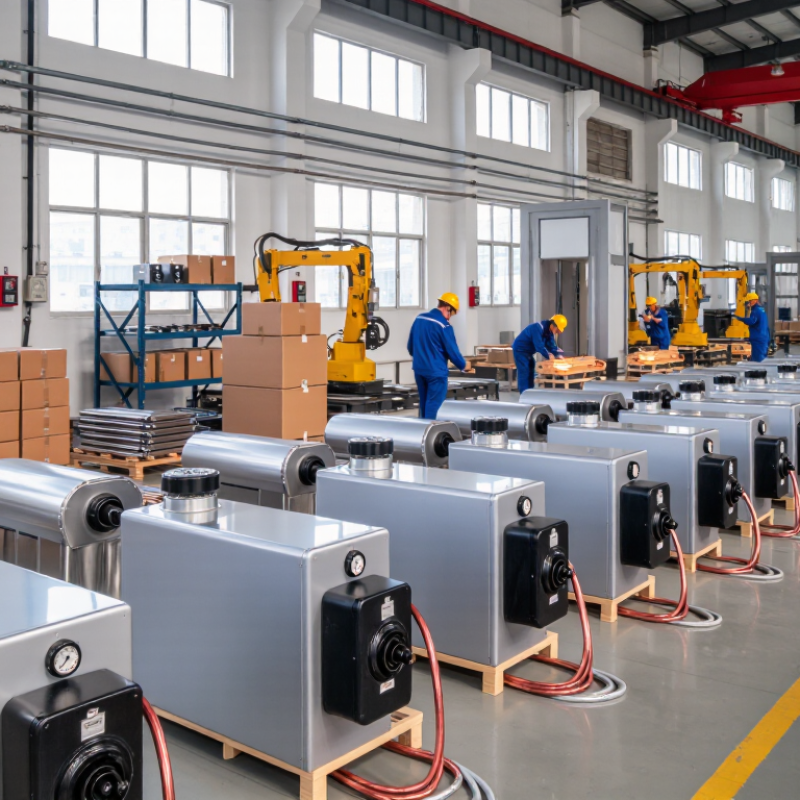
China’s Gas Burner Heater Industry and Supplier Landscape
China’s gas burner heater industry combines metal forming, combustion engineering, electronics, and export services. Suppliers often operate in manufacturing clusters with access to brass, stainless steel, valves, igniters, and control modules. This structure supports flexible production, from small commercial heaters to industrial heating systems.
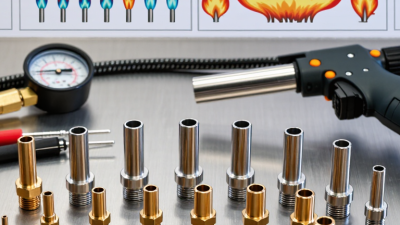
The supplier landscape is not uniform. Some factories build complete units, while others specialize in burners, gas valves, nozzles, or ignition systems. Experienced buyers should examine production records, material traceability, and factory testing procedures. A reliable supplier should provide clear drawings, sample data, installation instructions, and destination-market compliance documents. Certifications alone are not enough. Test reports must match the actual model and fuel type.
Factory visits can reveal practical details that brochures omit. Look for calibrated leak-testing equipment, controlled assembly areas, and documented inspection points. Ask how suppliers manage changes to valves, sensors, and combustion chambers. Small substitutions may affect flame stability or emissions. Communication quality also matters, especially when technical terms cross languages.
No supplier is perfect. Some factories offer low prices but limited engineering support. Others have strong design teams but slower response times. Buyers should compare total risk, not only unit cost. A pilot order can expose packaging weaknesses, inconsistent ignition, or unclear manuals before larger commitments. Supplier reviews should continue after delivery, because performance can change with subcontracting or material adjustments.
Types of Gas Burner Heaters Available from Chinese Suppliers
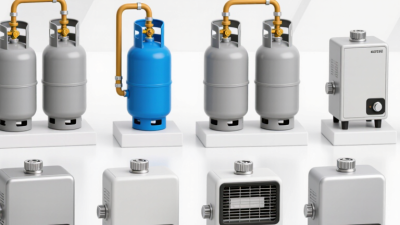
Chinese suppliers offer several gas burner heater types for different heating environments. Portable LPG heaters are common for workshops, outdoor areas, and temporary workspaces. They usually include wheels, flame-failure protection, and adjustable heat output. Natural gas models suit fixed indoor installations with stable pipeline access. Conversion is not always simple.
Infrared gas heaters warm nearby surfaces instead of heating the entire air volume. They work well in open terraces, warehouses, and semi-outdoor seating areas. Forced-air heaters use a burner and fan to distribute heat quickly. They are useful for construction sites and large ventilated rooms. Cabinet heaters provide enclosed cylinder storage and steady radiant warmth. Their larger bodies require careful placement and transport planning.
Tips: Confirm gas type, pressure, output, ignition method, and ventilation needs before ordering. Ask suppliers for burner test records, material specifications, and destination-market compliance documents. Experience shows that a high output rating alone does not guarantee comfortable heating. Fuel efficiency, noise, service access, and replacement parts also matter. Check the actual operating temperature range. Some product descriptions are too optimistic. A factory inspection or sample test can reveal uneven flames, weak wheels, or difficult controls. Keep installation instructions clear, because a small misunderstanding may affect safety and performance.
Safety Standards and Certifications for Global Markets
For global buyers, a gas burner heater must be evaluated as a regulated appliance, not merely a low-cost product. Safety begins with the destination market’s requirements. European shipments may require CE conformity, while UK shipments may require UKCA compliance. North American markets commonly require certification against applicable ANSI and CSA appliance standards. Relevant EN standards also address construction, combustion, stability, and protective controls.
The risk is measurable. According to the National Fire Protection Association’s Home Heating Fires report, U.S. fire departments responded to an estimated 44,210 home heating fires annually from 2016 to 2020. These incidents caused about 480 civilian deaths, 1,370 injuries, and 1.5 billion dollars in direct property damage each year.
Buyers should verify flame-failure protection, tip-over shutoff, gas-leak resistance, pressure control, and oxygen-depletion protection. Certification does not replace careful installation.
Ask suppliers for the certificate number, covered model, gas category, operating pressure, and test-laboratory details. Testing should come from an ISO/IEC 17025-accredited laboratory. Factory records should also link safety components to production batches and serial labels. The paperwork matters. A valid certificate may become unreliable after an untested valve, hose, or burner change. This is where procurement teams often need deeper review. Some documents look complete, but their scope is too narrow for the actual heater configuration.
How to Source and Purchase from China’s Top Suppliers
When sourcing gas burner heaters from China, begin with a technical specification, not a supplier list. Define fuel type, gas pressure, heat output, ignition method, flame-failure protection, and intended application. Include operating temperatures and packaging requirements. Small omissions create expensive revisions.
Shortlist suppliers with proven export experience and relevant production capabilities. Request business licenses, factory photos, quality procedures, test reports, and recent shipment references. A video call can reveal useful details, such as assembly flow, storage conditions, and inspection points. It is not proof of everything. Arrange an independent factory audit when the order value justifies it.
Ask for a production sample before negotiating volume pricing. Test ignition, flame stability, heat distribution, controls, and shutoff performance under realistic conditions. Confirm whether the sample matches mass production. This point is often overlooked. Specify approved materials, tolerances, labeling, manuals, spare parts, and carton strength in the purchase contract. Verify compliance with the destination country’s gas appliance, electrical, packaging, and environmental requirements. Use an accredited laboratory when certification is required. Do not rely on copied documents or unclear certificates. Compare Incoterms, payment milestones, lead times, warranty coverage, and inspection rights. A pre-shipment inspection should check quantity, workmanship, markings, and functional safety. Keep communication written and traceable. My own sourcing view is cautious: the lowest quote may hide thinner metal, weaker controls, or incomplete testing. A slower decision is usually cheaper than a field failure.
China Gas Burner Heater Sourcing Guide: Reference Nominal Inlet Pressures
Comparing fuel-gas pressure requirements helps global buyers match burner heater specifications with local installation standards.
The reference values represent commonly specified European appliance inlet pressures: G20 natural gas at 20 mbar, G30 butane at 28–30 mbar, and G31 propane at 37 mbar. Actual requirements vary by destination market, regulator setup, and appliance certification, so buyers should confirm the target country’s applicable standard before purchasing.