7 Tips to Choose the Right Propane Torch Nozzle?

Choosing the right propane torch nozzle is not simply a matter of selecting the largest flame. The nozzle affects heat concentration, fuel consumption, flame stability, and work quality. A fitting that looks suitable may still produce uneven heating or excessive fuel use. Small details matter. Thread size, torch pressure, fuel type, and application must work together.

Randy Warner, a propane-safety trainer associated with the Propane Education & Research Council, offers a practical reminder: “The right tip controls the flame, the heat, and the work.” That principle guides this article’s seven tips. We will examine nozzle size, BTU ratings, flame patterns, compatibility, material thickness, and operating conditions. Manufacturer specifications remain essential. Visual guesses are not enough.

One common mistake is assuming that a hotter, wider flame always works faster. It may overheat thin metal, damage nearby surfaces, or waste propane. I have seen this assumption create more rework than progress. That deserves a second look. A precise nozzle often delivers better control than a powerful one.

The safest choice also includes sound equipment practices. Inspect the connection, check the hose, and follow the torch manufacturer’s instructions. Never ignore unusual hissing, unstable flames, or damaged fittings. These signs require attention before use. The goal is controlled heat, reliable performance, and a nozzle matched to the actual task.
7 Tips to Choose the Right Propane Torch Nozzle?

Identify the Propane Torch Nozzle Types and Their Applications

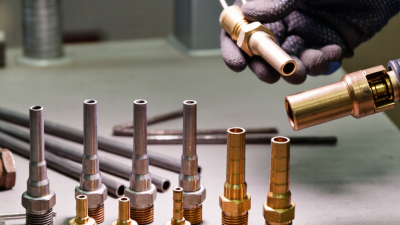
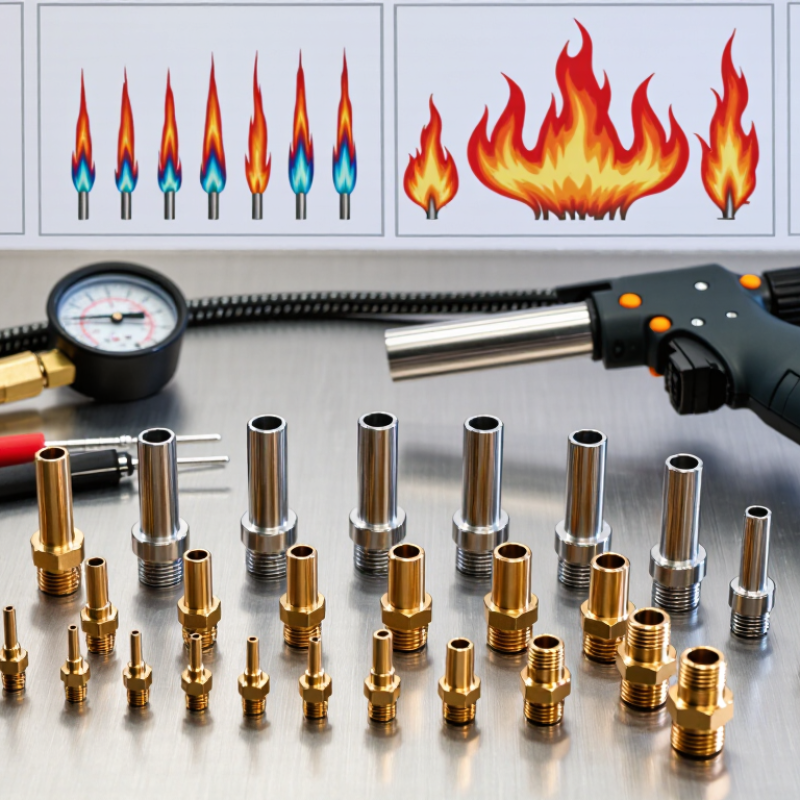
Choosing the right propane torch nozzle starts with its flame pattern, not its appearance. A pencil-flame nozzle produces a narrow, concentrated flame for soldering, brazing, and localized heating. A swirl nozzle mixes fuel and air efficiently, creating a hotter, broader flame for pipe work and stubborn fittings. A rosebud or heating nozzle spreads heat across metal sheets, bolts, and larger surfaces. Soft-flame nozzles suit paint removal and controlled warming, but they are not ideal for high-temperature joining.

EIA propane market reports show strong seasonal demand, with inventories building during warmer months and falling during winter heating periods. This matters because pressure and fuel availability can affect flame stability. NFPA 58 also emphasizes correct equipment connection, ventilation, and leak checking.

Tip 1: Match the nozzle to the material thickness. A small tip may overheat one spot, while a broad tip may waste fuel.
Tip 2: Check the manufacturer’s stated pressure range and fuel capacity. Never judge performance by flame size alone.

Experienced technicians often test the flame on scrap metal first. Blue and steady is usually better than loud and erratic. A yellow flame can indicate poor air mixing, contamination, or insufficient pressure. I have seen users choose a large heating nozzle for delicate copper work; it looked efficient, but it warped the fitting.
Tip 3: Keep a smaller precision nozzle available. The “best” nozzle depends on the task, metal thickness, working angle, and control required. Revisiting the choice is sometimes necessary.

Match Nozzle Size to the Required Heat Output

7 Tips to Choose the Right Propane Torch Nozzle

Match the nozzle to the heat output your task requires. A small nozzle produces a focused flame and suits detailed heating, soft soldering, or loosening small fittings. A larger nozzle delivers more heat across a wider area. It works better for heating thick pipes, removing coatings, or warming metal plates.

Check the required output in BTU or kilowatts before choosing. Then compare it with the nozzle and torch specifications. Do not assume the biggest nozzle works fastest. Excessive heat can discolor metal, damage nearby seals, or create uneven expansion. I have seen users heat one side of a joint too aggressively, then struggle with distortion. Slow control often gives better results.

Flame shape matters, too. A narrow blue flame concentrates energy at one point. A broader flame spreads heat more evenly. Test the flame outdoors or in a properly ventilated work area, away from combustible materials. Wear eye protection and heat-resistant gloves. Keep the cylinder upright and inspect the hose, connections, and nozzle for damage.

A stable flame is essential. Yellow flames, popping sounds, or repeated flame failure require attention. Stop using the torch and follow the equipment instructions. Gas pressure, ambient temperature, and nozzle cleanliness can change performance. My own selection process is not perfect; I recheck the heat pattern on scrap metal before working on the final piece.

7 Tips to Choose the Right Propane Torch Nozzle? — Match Nozzle Size to the Required Heat Output
Tip Selection Factor Typical Nozzle Size Approximate Heat Output Best-Suited Applications Practical Guidance
1 Identify the required heat level Small, precision nozzle
0.5–1.0 mm orifice
15,000–35,000 BTU/h
(4.4–10.3 kW)
Spot heating, loosening small fasteners, light soldering, and localized paint removal Choose a small flame when the work area is limited and overheating nearby parts would be a problem.
2 Match the nozzle to material thickness Medium nozzle
1.0–1.5 mm orifice
35,000–75,000 BTU/h
(10.3–22.0 kW)
General brazing, medium-size copper tubing, thawing pipes, and moderate surface heating A medium nozzle provides a useful balance between heating speed, control, and fuel consumption.
3 Consider the workpiece size Large heating nozzle
1.5–2.5 mm orifice
75,000–150,000 BTU/h
(22.0–44.0 kW)
Large copper fittings, heavy steel components, asphalt repair, and broad-area heating A larger nozzle distributes heat over a wider area and reduces the time needed to bring massive parts to temperature.
4 Check the flame pattern Pencil flame
Focused jet
Usually 15,000–60,000 BTU/h
(4.4–17.6 kW)
Precise soldering, small repairs, targeted rust removal, and heat-sensitive assemblies Use a focused flame for accuracy; keep the torch moving to prevent localized warping or scorching.
5 Use a broad flame for even heating Fan or swirl nozzle
Broad flame pattern
50,000–125,000 BTU/h
(14.7–36.6 kW)
Heat-shrink work, paint stripping, roofing tasks, pipe thawing, and wide metal surfaces A broad flame reduces hot spots but requires more clearance from combustible materials.
6 Verify regulator and hose capacity Nozzle matched to appliance rating Use the rated appliance output
rather than maximum nozzle output
Any torch connected to a refillable propane cylinder or regulated fuel supply The regulator, hose, valve, and torch must all support the selected gas flow. Never force a high-output nozzle onto an under-rated setup.
7 Allow for operating conditions Select one size above normal only when permitted Output varies with pressure,
temperature, and fuel flow
Outdoor work, cold weather, extended heating, and applications requiring consistent performance Cold propane, low cylinder pressure, wind, and restricted valves can reduce actual heat output. Follow the torch instructions and test the flame before use.
Note: Heat-output figures are practical approximate ranges for propane torches and can vary significantly with nozzle design, gas pressure, ambient temperature, and appliance efficiency. Always use the nozzle and operating pressure specified for the torch, and keep the flame away from combustible materials.

Check Torch and Fuel Compatibility Before Selection

Choosing the right propane torch nozzle starts with compatibility, not flame size. EIA’s 2020 Residential Energy Consumption Survey counted about 5.5 million U.S. homes using propane for primary space heating. That variety demands careful selection. Check seven details: fuel type, cylinder pressure, regulator rating, connection thread, nozzle material, application temperature, and manufacturer instructions. Never assume a larger nozzle provides better performance. It may waste fuel or overheat the work area.

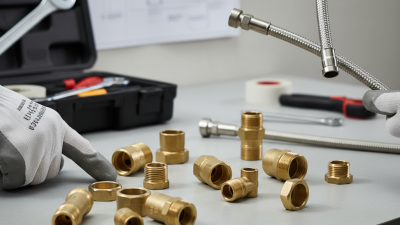
Confirm whether the torch uses vapor withdrawal or liquid withdrawal fuel. Most handheld heating tasks use vapor withdrawal systems. Match the nozzle’s pressure range with the regulator and cylinder rating. NFPA 58, Liquefied Petroleum Gas Code, emphasizes approved containers, piping, regulators, and listed appliances. That guidance matters because a fitting can look correct while failing under pressure. Check the seal. Check the thread. Inspect the hose for cuts, stiffness, or crushed sections.

A practical test helps. With the torch disconnected, compare the nozzle, regulator, and hose specifications line by line. Then inspect the flame outdoors or in a properly ventilated work area. A stable blue flame usually indicates suitable air and fuel mixing; yellow tips can signal contamination, poor adjustment, or an unsuitable nozzle. I still find compatibility checks easy to skip when a job feels urgent. That habit needs correction. Do not enlarge an orifice, force a fitting, or mix components without documented approval. Temperature ratings matter, too. A nozzle designed for light soldering may fail during prolonged heating.

Evaluate Flame Shape, Material, and Heating Precision

A propane torch nozzle should be chosen by flame behavior, not maximum heat claims. Start with the flame. A narrow, sharply defined inner cone suits localized brazing and loosening seized fittings. A broader, softer flame spreads heat across tubing and reduces hot spots. The U.S. Department of Energy’s Alternative Fuels Data Center lists propane at about 91,333 Btu per gallon. That figure describes fuel potential, not workpiece temperature. NIST Chemistry WebBook reports propane’s heat of combustion near 2,219 kJ/mol. I treat both figures as reference points, not promises. In a dim workshop, inspect the flame cone carefully. A yellow, unstable tip can indicate poor air entrainment or an unsuitable orifice.

Material matters when the nozzle repeatedly absorbs radiant heat. Copper-alloy bodies transfer heat quickly, while stainless steel generally offers stronger resistance to oxidation and deformation. The best choice depends on duty cycle, not appearance. A nozzle used for brief repairs may not need continuous-use durability. For heating precision, match the orifice to the task, then test on scrap metal. Measure temperature with a calibrated infrared instrument, but reflective metal can distort readings. A contact probe may reveal a cooler joint. Small errors matter. My own weak assumption would be trusting a blue flame alone; airflow, distance, and angle can still overheat one edge. Check the stated pressure range and applicable safety requirements, including NFPA 58 guidance, before operation.

Verify Safety Features, Durability, and Maintenance Needs

Choosing a propane torch nozzle requires more than matching threads and flame size. Verify that the nozzle fits the torch handle securely. A loose connection can leak gas. Check for a dependable shutoff valve and precise flame adjustment. These features help control heat near wood, insulation, or other sensitive surfaces.

Safety details deserve close attention. Look for a stable tip, heat-resistant construction, and protection against flame flare-ups. Always inspect the seal before use. Apply soapy water to the connection and watch for bubbles. Never test for leaks with an open flame. Follow the operating instructions and applicable safety requirements. Small habits prevent serious mistakes.

Durability affects both performance and maintenance. Brass or stainless steel can resist heat and corrosion, but weight alone proves little. Examine the threads, orifice, and protective screen for clean machining. A practical nozzle should tolerate regular handling without bending. Clean carbon deposits with a soft brush. Do not force wire through the orifice, because it may enlarge the opening. Replace damaged seals promptly. Store the nozzle dry and protected from impact. I have found that neglected maintenance often causes uneven flames before obvious damage appears. That is easy to miss. Recheck the nozzle periodically, even when it seems to work normally.

7 Tips to Choose the Right Propane Torch Nozzle

Verify safety features, durability, flame control, compatibility, and maintenance needs before selecting a propane torch nozzle.

This practical evaluation model gives the greatest weight to safety and durability because a suitable nozzle should support stable combustion, secure connections, heat resistance, and reliable long-term use. Always follow the torch and propane-cylinder manufacturer’s instructions, inspect for leaks, and replace damaged parts.