How to Choose the Best Gas Burner Heater for Your Needs?
Choosing the best gas burner heater requires careful consideration. With numerous options available, it's vital to assess your needs. As John Smith, a renowned expert in heating technologies, states, “The right gas burner heater can drastically improve efficiency and comfort."
When selecting a gas burner heater, think about size and output. A model too small won’t provide adequate warmth. Conversely, one that's too large can lead to energy waste. Features like adjustable flame and safety shut-off mechanisms enhance usability and safety.
In today's market, brands offer various functionalities. Some models are eco-friendly, while others focus on maximum output. It's worth noting that quality varies. Researching customer reviews can shed light on reliability. Ultimately, the right choice can make a significant difference in your heating experience.
Understanding Different Types of Gas Burner Heaters Available on the Market
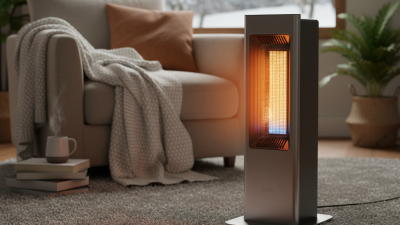
When selecting a gas burner heater, it's crucial to understand the types available. Radiant heater models provide direct heat. They warm up quickly and are typically more energy-efficient. These heaters suit small spaces well. However, they can be less safe in larger areas as they might not distribute heat evenly.
Convection heaters, on the other hand, work differently. They heat air that then circulates throughout the room. This type is ideal for larger spaces. Their heating process is slower, but they maintain a consistent temperature. Keep in mind that the initial setup can be costly.
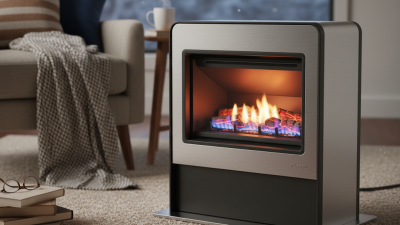
Moreover, portable gas heaters offer flexibility. They are easy to move, making them convenient for various situations. Consider your specific space needs. Think about safety features as well. Some models may lack essential safety mechanisms. Evaluating each heater's unique characteristics will help you make an informed choice.
Gas Burner Heater Types and Their Heat Output
Key Features to Consider When Selecting a Gas Burner Heater
When choosing a gas burner heater, it's essential to evaluate key features that will fit your specific needs. One significant aspect is the heater’s heating capacity, typically measured in BTUs (British Thermal Units). A study by the Energy Information Administration indicates that a heater with 30,000 BTUs is often adequate for spaces up to 1,000 square feet. However, you might need a stronger model for larger areas, which could average around 50,000 to 60,000 BTUs.
Another crucial factor is safety features. Look for models equipped with automatic shut-off systems and flame sensors. Data from the U.S. Consumer Product Safety Commission reveals that equipment with these features reduces risks significantly. Durability is also vital. Heaters made from high-quality materials, such as stainless steel, demonstrate greater resistance to rust and corrosion, increasing their lifespan.
Operating costs should not be overlooked. A report from the Gas Technology Institute highlights that efficient models can save up to 30% on energy bills. Yet, many users might opt for cheaper models, unaware of their long-term expenses. It's a common pitfall that requires careful consideration. Always analyze the total cost of ownership before making a purchase.
Assessing the Heating Capacity and Efficiency of Gas Burner Heaters
When selecting a gas burner heater, evaluating its heating capacity and efficiency is crucial. Heating capacity is typically measured in BTUs (British Thermal Units). Residential models usually range between 10,000 to 40,000 BTUs. An adequate heating capacity should align with the room size. A room of 150 square feet may require around 20,000 BTUs for effective heating.
Efficiency ratings are often indicated by the AFUE (Annual Fuel Utilization Efficiency) percentage. Gas burner heaters can achieve efficiencies greater than 90%. Efficient models convert more gas into usable heat, resulting in lower energy bills. According to the U.S. Department of Energy, upgrading to a high-efficiency gas burner can save homeowners up to 30% on their heating costs.
Despite these advantages, it's essential to consider installation and ongoing maintenance. Poor installation can reduce efficiency, leading to energy waste. Regular maintenance is required to ensure safety and optimal performance. The National Fire Protection Association emphasizes that improper maintenance can lead to hazardous situations. A well-informed choice can enhance comfort while minimizing risks.
Safety Considerations and Maintenance Tips for Gas Burner Heaters
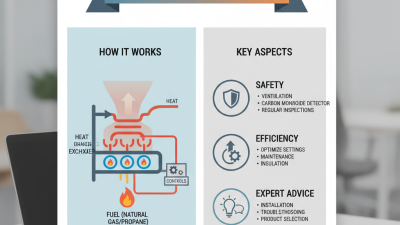
Gas burner heaters provide efficient warmth, but safety must come first. A recent industry report highlights that approximately 30% of home fires are linked to heating equipment. Proper installation is critical to avoid hazards. Ensure the heater is placed away from flammable materials. The minimum distance recommended is at least three feet. Regular maintenance checks can prevent dangerous situations.
Be vigilant about carbon monoxide levels. A functioning heater should have proper ventilation. Installing carbon monoxide detectors is essential, as this gas is colorless and odorless. According to the CDC, carbon monoxide poisoning results in nearly 500 deaths annually in the U.S. alone. This statistic underscores the importance of safety measures in your heating setup.
Routine maintenance is a must. Cleaning the burners and checking the gas lines should be part of your schedule. Neglect can lead to inefficient operation or even gas leaks. Always consider hiring a professional for thorough inspections. The National Fire Protection Association recommends annual checks to ensure safe operation. Remember, investing in safety measures is essential for peace of mind.
Comparing Costs: Budgeting for Your Gas Burner Heater Purchase and Use
When budgeting for a gas burner heater, consider both the
initial purchase price and ongoing operational costs.
Recent industry reports indicate that average prices for gas heater units range from
$200 to $800, depending on capacity and features.
Installation can add another $100 to $500,
depending on your home’s setup and whether you need gas line modifications.
This creates a significant initial investment, but proper selection can offset costs.
Operational expenses are often overlooked. In general, gas costs average around
$1.50 to $3.00 per therm. An efficient gas burner heater can consume
60 to 80 therms per month during the colder months.
This means that monthly heating costs can easily scale from $90 to $240.
Maintenance is another factor. Annual check-ups usually run between
$100 to $200, depending on local service rates.
Be wary of potential hidden expenses. Issues like venting or gas leaks can lead to increased costs.
It's crucial to factor in these possibilities when assessing the feasibility of your investment.
Choosing the right heater is pivotal for balancing comfort and budget effectively.
Industry experts suggest thorough research to gauge long-term value
rather than just upfront pricing.