What is a Gas Burner Heater and How Does it Work?
Gas burner heaters are efficient devices designed to provide warmth in various settings. These heaters utilize natural gas or propane as fuel, offering a cost-effective solution for heating needs. Their operation is relatively straightforward, but understanding the mechanics is essential for efficient use.
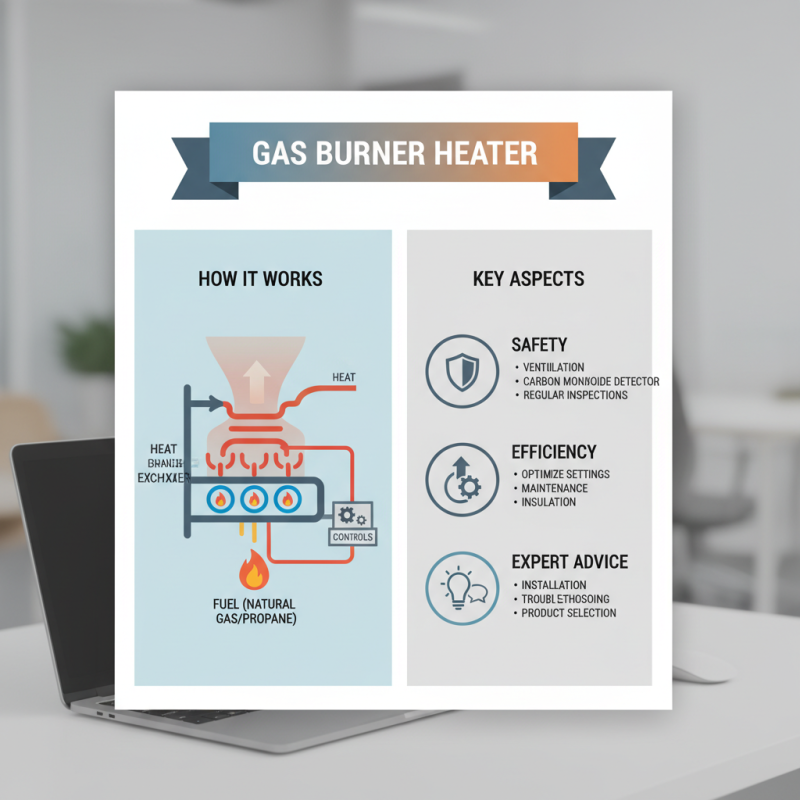
The gas burner heater works by igniting gas and producing heat. This process involves crucial components like burners, controls, and a heat exchanger. Each part plays a key role in ensuring that the heater operates safely and effectively. Regular maintenance is necessary to prevent issues, highlighting the importance of awareness in usage.
While gas burner heaters are reliable, they are not without challenges. Users must consider safety and efficiency. Learning how to optimize their performance can pose difficulties. Understanding the nuances of these systems is vital for long-term satisfaction. Engaging with expert advice can greatly enhance your experience with a gas burner heater.
What is a Gas Burner Heater?
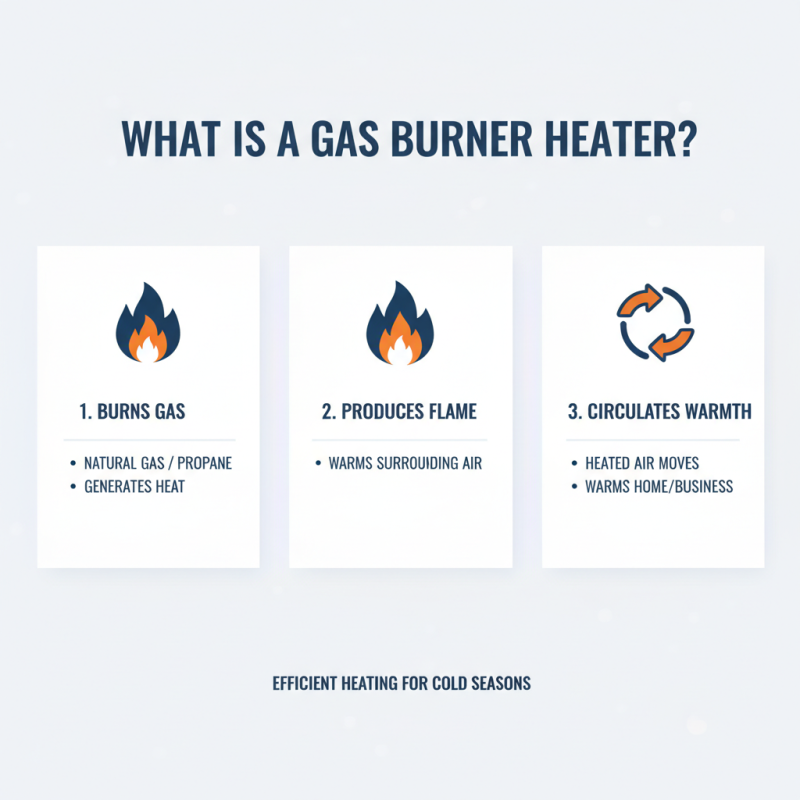
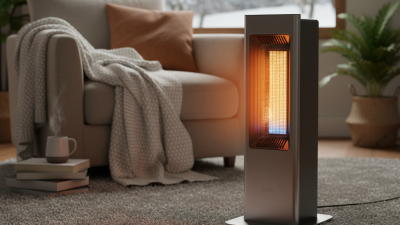
A gas burner heater is a popular heating solution used in homes and businesses. It operates by burning natural gas or propane to generate heat. When gas ignites, it produces a flame that warms the air around it. This heated air circulates through the space, providing warmth even in the coldest seasons.
One critical component of a gas burner heater is its efficiency. Proper installation and maintenance are vital for optimal performance. Regular inspections can help identify potential issues early. Gas leaks can occur, leading to safety concerns. Always ensure your heater is serviced by a qualified technician.
Here are some tips to maximize your gas burner heater's efficiency:
- Clean the area around the heater regularly. Dust and debris can block airflow.
- Use a programmable thermostat. This helps adjust the temperature when you're not home.
- Inspect the flue regularly to ensure proper ventilation.
Gas burner heaters can be effective, but they require responsibility. Monitoring gas levels and ensuring proper ventilation are crucial for safety and effectiveness. Regular checks can lead to a safer and more efficient heating experience. Always stay aware of how your gas burner functions and address any irregularities promptly.
Types of Gas Burner Heaters Available
Gas burner heaters come in various types to cater to different heating needs. The most common type is the convection heater. These units heat air, which is then circulated throughout the space. They are efficient and effective in providing warmth. Installation is often straightforward, making them a popular choice.
Another option is the radiant heater. This type directly heats objects in the room instead of the air. They are often used for spot heating in larger areas. Users may find these heaters more effective in outdoor settings, where wind can disperse warm air quickly.
Infrared heaters are also gaining popularity. They work by emitting infrared radiation, providing warmth similar to sunlight. These can be efficient for heating small areas or workshops. However, they require careful placement to maximize their effect. Each type has its unique benefits and may require fine-tuning for optimal performance.
How Gas Burner Heaters Generate Heat
Gas burner heaters are efficient heating devices widely used in homes and industrial spaces. They generate heat through the combustion of natural gas or propane. When the gas ignites, it produces a flame, which heats a metal exchanger. This exchanger warms the surrounding air, distributing it through vents or ducts.
When considering a gas burner heater, placement is essential. Ideally, it should be installed in a well-ventilated area. This allows optimal combustion and prevents the buildup of harmful gases. Regular maintenance is crucial for efficiency, including checking the burner for clogs and inspecting exhaust systems.
Tips: Ensure you check for any signs of gas leaks. Install carbon monoxide detectors in the vicinity. These detectors provide an added layer of safety, alerting you to potential hazards. Additionally, be mindful of the heater’s age; older models may need replacement for better efficiency and safety.
Components of a Gas Burner Heater Explained
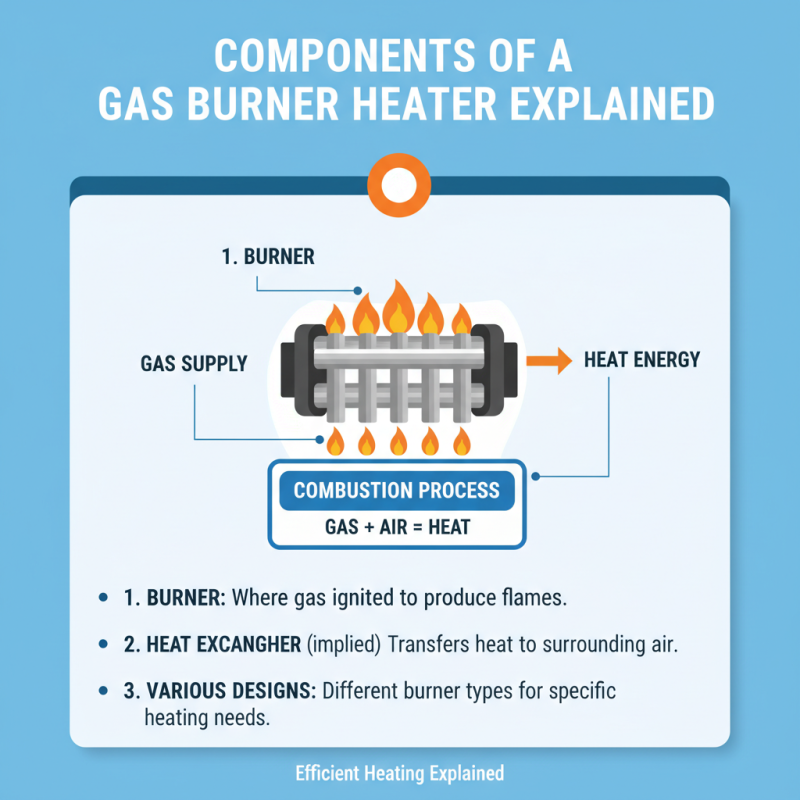
A gas burner heater consists of several key components that work together for efficient heating. The primary part is the burner itself, where gas is ignited to produce flames. Typically, these burners come in various designs, allowing for different heating applications. The combustion process releases heat energy, which warms the surrounding air.
Another essential component is the fuel supply system. This system delivers gas from a storage tank or line directly to the burner. Regulators control the gas flow, ensuring a safe and steady supply. The ignition system is also vital. It may use a pilot light or electronic ignition to start the burner. Safety features, like thermocouples, shut off the gas if there's a problem.
Finally, consider the heat exchanger. This part captures the heat generated by the burner and distributes it effectively. It’s where efficiency can be improved, but often, homeowners overlook it. Regular maintenance of these components is necessary; neglecting them can lead to issues like inefficiency or even dangerous gas leaks. Understanding these elements can help you make informed decisions about your heating system.
Safety Features and Considerations for Use
Gas burner heaters are popular for their efficiency and effectiveness in providing warmth. However, safety features must be a priority when using these devices. According to the National Fire Protection Association (NFPA), heating equipment is responsible for a significant percentage of home structure fires. It is crucial to assess and ensure the safety features of any gas burner heater.
These heaters typically come with essential safety components such as oxygen depletion sensors and automatic shut-off valves. The sensors can detect when oxygen levels in the room drop to unsafe levels, shutting off the heater. The automatic shut-off valve activates if the flame goes out unexpectedly, preventing gas leaks. The American Gas Association has found that proper installation and regular maintenance reduce safety risks significantly. Homeowners should inspect their heaters annually.
Despite their advantages, users must remain vigilant. Even with safety features, gas burner heaters can pose risks. Regular monitoring of gas lines for leaks is advisable. Ensuring adequate ventilation can help mitigate potential dangers. According to the U.S. Consumer Product Safety Commission, improper use or maintenance can lead to serious hazards, including carbon monoxide poisoning. Awareness and education on these risks are essential for safe operation.