How to Choose the Best Blow Torch Kit for Your Needs?
Choosing the right blow torch kit can seem daunting. These tools are essential for various tasks, from culinary applications to metalworking. An ideal blow torch kit should meet your specific needs and skill level.
When selecting a blow torch kit, consider the size, fuel type, and safety features. A compact design is easier to handle, especially for beginners. The fuel choice greatly affects performance and convenience. Some kits use butane, while others rely on propane. Price is another factor, but cheaper options may lack durability or safety features.
Reflect on your level of experience and what tasks you'll tackle. A starter kit may be sufficient for simple projects. Advanced users might look for more powerful options. Reliability is key—choose a brand known for quality. In the end, assessing your unique situation and properly researching options will lead you to the best blow torch kit for your needs.
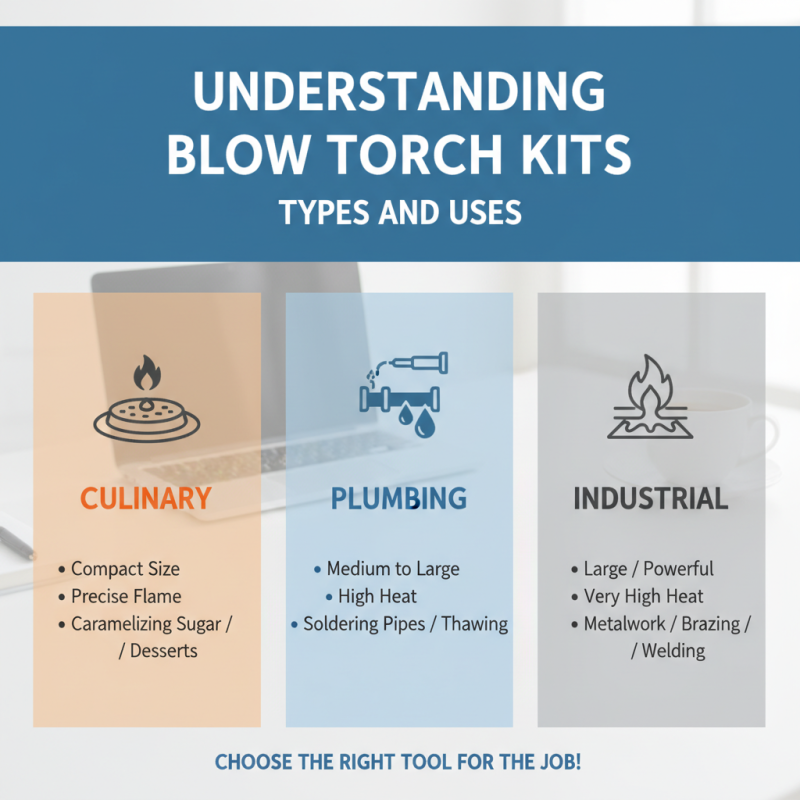
Understanding Blow Torch Kits: Types and Uses
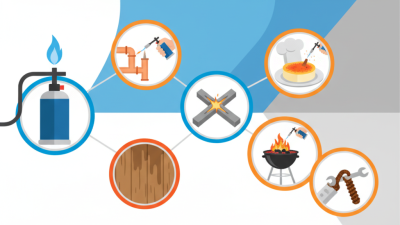
When selecting a blow torch kit, understanding the different types is essential. There are primarily three categories: culinary, plumbing, and industrial. Culinary torches are compact and designed for tasks like caramelizing sugar. They often have smaller flame sizes, which makes them ideal for precise tasks. Plumbing and industrial torches are larger and can produce higher heat levels for soldering or metalwork.
According to the Welding Equipment Manufacturers Association, the use of blow torches in industries has increased by 25% in recent years. This growth emphasizes the importance of choosing the right kit for specific needs. For example, specialized equipment for plumbing tasks tends to be more robust. These kits often include features such as adjustable flame control and ergonomic designs for ease of use.
However, issues can arise when selecting a kit without proper research. Users might overlook safety features or ease of maintenance. A blow torch with inadequate safety measures can lead to accidents. Thus, conducting thorough research, including exploring operation costs and maintenance needs, is vital. Important reports from the American National Standards Institute highlight the necessity of adhering to safety guidelines to prevent incidents.
Key Features to Consider When Selecting a Blow Torch Kit
When selecting a blow torch kit, several key features should guide your decision. The fuel type is crucial.
Propane and butane are common options, each with unique benefits.
Propane burns hotter, while butane is portable and easy to find.
Consider what you will most often use the torch for. Will it be for cooking, or perhaps for metalworking?
This will impact your choice of fuel and torch design.
Another important feature is the flame control. Look for a kit that offers adjustable flame settings.
This allows for precision in your tasks. A fixed flame might work for basic cooking, but tasks like soldering require more control.
Safety features also demand your attention.
Kits with secure ignition systems and stable bases enhance reliability. Always check the material quality as well.
Cheaper options may not withstand high temperatures.
You may encounter various designs, each intended for different uses. Some are compact for easy storage, while others have larger tanks for extended projects.
Assess how often you'll use the torch. Frequent users might invest in a more durable kit.
Remember, not all kits will fully meet your needs. Don’t hesitate to spend time comparing different options.
Take your time on this process. A hasty decision can lead to frustration later on.
Safety Precautions for Using Blow Torches Effectively
Using a blow torch can be exhilarating yet dangerous. Safety precautions are fundamental to prevent accidents and injuries. First, always wear protective gear. This might include safety goggles, heat-resistant gloves, and a face shield. A report from the National Fire Protection Association shows that improper handling of torches leads to over 8,000 fires annually. Clearly, this can have devastating consequences.
Additionally, ensuring a proper workspace is critical. Keep flammable materials at a safe distance. An effective workspace should have adequate ventilation. Inhaling fumes can lead to serious health issues. According to the Occupational Safety and Health Administration, carbon monoxide exposure can cause headaches and dizziness. This highlights the importance of working in well-ventilated areas.
Regularly inspecting your blow torch is another essential practice. Look for gas leaks or damaged equipment. A faulty torch can explode or malfunction during use. Research indicates that user negligence accounts for about 30% of blow torch-related injuries. Effective training and proper equipment maintenance could reduce these incidents significantly.
Choosing the Best Blow Torch Kit: Features Comparison
This chart compares three different blow torch kits based on key features such as temperature range, fuel type, nozzle size, weight, and price. This information can help users make informed decisions about the best kit for their needs, keeping safety and effectiveness in mind.
Comparing Brands: Which Blow Torch Kit is Right for You?
Choosing the right blow torch kit can be confusing. There are many options. Each kit has unique features. Understanding your needs is essential. Are you using it for culinary purposes, DIY projects, or industrial tasks? The right choice depends on your specific requirements.
When comparing brands, consider the build quality and safety features. A robust torch can withstand heavy use. Look for adjustable flame controls. This allows for precise applications. Lightweight models are easier to handle. However, they may lack the power of heavier kits.
Tips: Always read reviews from trusted sources. Check safety certifications before purchasing. Don’t rush into a decision. Spend time on research. Each brand has its strengths and weaknesses. It’s okay to feel unsure. Aim for a kit that offers reliability and ease of use. Play around with different models, if possible. Finding the right blow torch can enhance your projects significantly, making your efforts more enjoyable.
Maintenance Tips for Prolonging the Life of Your Blow Torch Kit
Maintaining your blow torch kit is essential for its longevity and performance. Regular cleaning can prevent residue buildup, ensuring efficient operation. According to industry studies, proper maintenance can increase the lifespan of your equipment by up to 30%. This means a potential saving on replacement costs.
Directly after each use, wipe the nozzle and body of the torch with a soft cloth. This practice removes contaminants that could otherwise clog the system. It’s vital to inspect your torch regularly. Look for any signs of wear or damage. A well-maintained torch operates safely and efficiently.
When not in use, store your kit in a cool, dry place. Exposure to heat or moisture can shorten its life. It’s worth reflecting on the importance of these maintenance habits. An overlooked detail can result in significant damage or inefficient use. Regularly revisiting your maintenance routine can yield better results and prolong the life of your blow torch kit.