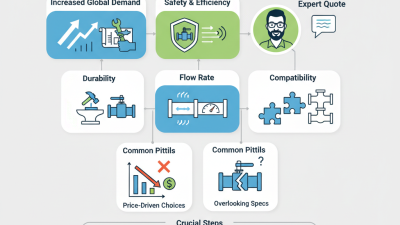
Choosing the right lpg fittings is a safety decision, not merely a purchasing task. The correct fitting must match the gas type, pressure rating, connection method, temperature range, and installation environment. A brass connector may look dependable, yet its thread could be incompatible with the appliance or hose. Small differences matter.
Experienced technicians usually check the fitting body, sealing surface, thread profile, and manufacturer markings before installation. They also inspect hoses for cracks, stiffness, or heat damage. Local regulations and recognized safety standards should guide every selection. Certification marks provide useful evidence, but they should never replace careful inspection. A certified product can still be unsuitable for a specific system.
Fit matters most.
In practical work, mistakes often come from rushed measurements. A fitting may connect successfully but leak under pressure. That is why qualified professionals perform approved leak tests and use compatible sealing methods. They also consider moisture, outdoor exposure, vibration, and repeated movement around the connection. These details are easy to overlook.
There is no universal “best” lpg fittings solution. The right choice depends on the cylinder, regulator, pipework, appliance, and operating conditions. Product documentation remains essential. When specifications are unclear, guessing is not professional. Asking the supplier or a licensed installer may feel slower, but it protects people, equipment, and property. Even careful recommendations deserve review, because fuel systems change and installation conditions are rarely identical.
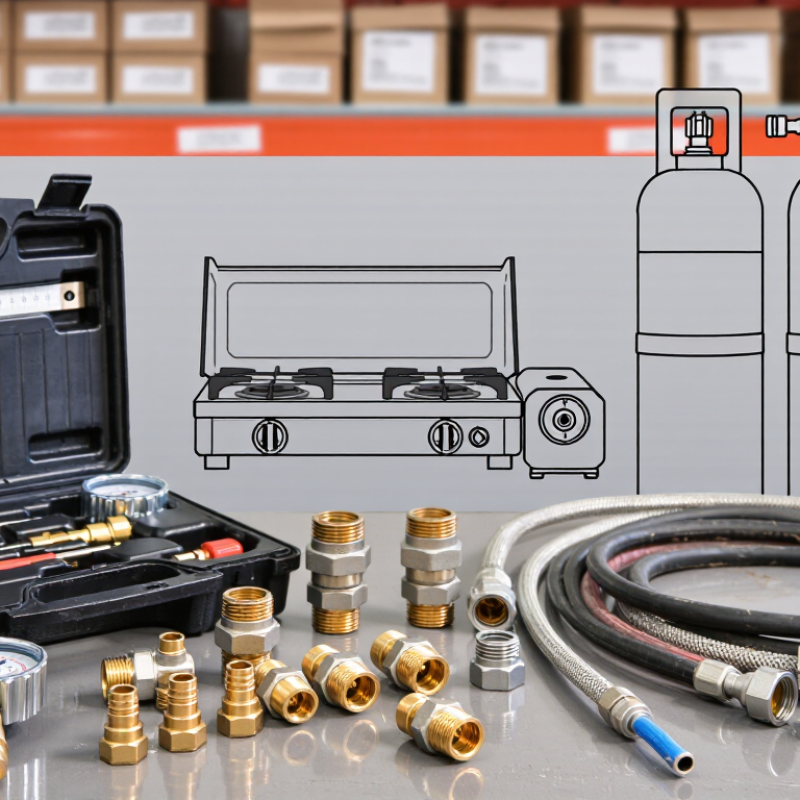
LPG fittings are connection components used in cylinders, hoses, regulators, pipes, and appliances. They include adapters, elbows, valves, connectors, and sealing parts. Their job is more important than simple connection. They control gas direction, maintain pressure, and prevent leaks at joining points.
A suitable fitting must match the gas type, working pressure, connection thread, and installation environment. Check whether the part is approved for LPG service and compatible with the hose or pipe material. Brass, steel, and other materials behave differently around moisture, heat, and mechanical stress. Never force mismatched threads. That small mistake can damage the seal.
During practical inspections, I have seen fittings selected by size alone. That approach is unreliable. A fitting may look correct but still have the wrong thread standard or pressure rating. Measure carefully and follow the equipment manufacturer’s specifications. Keep joints accessible for inspection, and protect them from bending or impact. Use qualified personnel for installation and pressure testing.
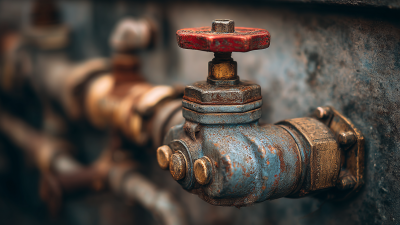
Leak checks matter. Do not rely on smell alone. A trained technician should test the completed system with suitable procedures and equipment. Replace cracked seals, corroded parts, or fittings showing wear. Small defects can become serious under repeated heating and cooling. I still find this step easy to underestimate. It should not be.
How to Choose the Right LPG Fittings?
Choosing an LPG fitting starts with identifying the gas type and working pressure. LPG may contain propane, butane, or a local mixture. These gases can require different pressure settings and equipment. Check the appliance label, cylinder information, and technical documentation before selecting a fitting. A fitting that looks suitable may still be unsafe. In practical inspections, incorrect gas identification often causes poor combustion, leakage, or unstable operation.
Tips: Measure carefully. Check the fitting’s inlet and outlet sizes, thread diameter, and thread pitch. Do not estimate from appearance. Record whether the thread is male, female, tapered, or parallel. Also inspect the sealing method. Some connections use a gasket, while others seal through the thread. Never force two parts together. Damage may remain hidden beneath the nut.
Connection standards matter just as much as size. Confirm whether the system uses a recognized regional or industrial standard, then match every component within that system. Mixing similar-looking standards can create weak engagement or unreliable sealing. I would also verify pressure ratings, temperature limits, and material compatibility. Brass, steel, and approved sealing materials may perform differently in changing conditions. A qualified gas technician should inspect the completed connection and test it with suitable leak-detection procedures. Small assumptions deserve another check.
How to Choose the Right LPG Fittings?
Compare Fitting Materials, Designs, and Pressure Ratings
Material selection should begin with LPG compatibility, temperature, and installation conditions. Brass fittings resist corrosion and suit many domestic applications. Stainless steel offers stronger corrosion resistance in humid or coastal areas. Coated steel can provide durability, but damaged coatings may expose the metal. Seal materials also matter. A seal that softens in LPG service can create a dangerous leak.
Design affects both installation and long-term reliability. Threaded fittings are common, but they need accurate alignment and suitable sealing methods. Flare connections can provide dependable metal-to-metal sealing when assembled correctly. Compression fittings are convenient, yet overtightening may deform the tube. Quick-connect designs save time, but only approved versions should be used for LPG systems. Small details matter.
Pressure ratings need careful comparison. Match the fitting’s working pressure to the system’s maximum operating pressure, including temperature effects. Pipe diameter alone is not enough. Check the fitting body, seal, hose, and regulator as one system. A higher rating does not excuse poor assembly. During inspection, look for damaged threads, uneven gaps, and stressed tubing. A soapy-water test can help reveal bubbles; never use a flame. It is easy to trust a neat-looking connection. That judgment can be wrong. Local codes and qualified installation practices should guide the final choice.
| Fitting Design | Common Materials | Connection Method | Typical LPG Application | Typical Working Pressure Range* | Typical Temperature Range* | Main Advantages | Important Limitations | Selection Guidance |
|---|---|---|---|---|---|---|---|---|
| Flare Fitting | Forged brass; stainless steel for demanding environments | Metal-to-metal 45° flare connection | Appliance connectors, regulators, vehicle and portable LPG equipment | Up to approximately 20 bar | About −40 to 65°C | No separate elastomeric seal is normally required at the flare; good resistance to vibration when correctly assembled | Requires accurate tube flaring and correct flare angle; overtightening can damage the sealing surface | Choose when a compact, serviceable connection is needed for copper or compatible tubing |
| Compression Fitting | Brass, plated brass, or stainless steel | Ferrule compresses onto the tube | Low- and medium-pressure LPG tubing installations | Approximately 10–20 bar, depending on design and tube size | About −40 to 100°C | Does not require tube flaring; easy to install with common tools | Repeated disassembly may reduce sealing reliability; tube must be fully inserted and properly supported | Use only fittings specifically approved for fuel gas; avoid mixing ferrules, nuts, and bodies from different designs |
| Threaded Pipe Fitting | Brass, ductile iron, or carbon steel | Tapered or parallel pipe thread, such as NPT or ISO 7-1 compatible threads | Fixed piping, manifolds, valves, regulators, and bulk LPG systems | Approximately 20–40 bar for many industrial designs | About −29 to 100°C | Strong and widely available in many sizes; suitable for rigid pipework | Thread sealant compatibility is critical; excessive tightening can crack brass bodies or distort threads | Confirm the thread standard, sealing method, material compatibility, and pressure class before installation |
| Stainless Steel Tube Fitting | Stainless steel 304 or 316 | Double-ferrule or single-ferrule compression connection | Corrosive, outdoor, marine, industrial, and high-integrity LPG systems | Approximately 30–100 bar, depending on tube size and design | About −40 to 150°C | High corrosion resistance, strong mechanical performance, and good resistance to vibration | More expensive; incorrect tube preparation or assembly can cause leakage or galling | Prefer 316 stainless steel for salt-laden or chemically aggressive environments, subject to the system specification |
| Carbon Steel Pipe Fitting | Carbon steel, often galvanized or coated for corrosion protection | Threaded, socket-welded, or butt-welded connection | Large fixed LPG pipework, storage installations, and industrial distribution lines | Approximately 20–40 bar or higher in rated industrial systems | About −29 to 120°C | High strength, broad size availability, and suitability for heavy-duty piping | Requires effective corrosion control; welding and inspection should be performed by qualified personnel | Use for permanent installations where the piping class, welding procedure, and corrosion protection are specified |
| Quick-Connect Coupling | Brass, stainless steel, or plated steel with LPG-compatible seals | Push-to-connect coupling with automatic or manual shut-off | Removable hoses, cylinder connections, filling equipment, and service tools | Approximately 10–25 bar | About −40 to 80°C | Fast connection and disconnection; shut-off versions can reduce gas release during uncoupling | Must not be disconnected under pressure unless specifically designed for that purpose; seals require inspection | Select only a coupling with the correct LPG service, flow direction, socket/plug profile, and pressure rating |
| Hose-End Swivel Fitting | Brass or stainless steel with LPG-rated elastomer seals | Threaded or crimped connection to a flexible hose | Appliance hoses, regulator outlets, cylinder pigtails, and equipment with movement | Approximately 10–25 bar | About −40 to 80°C | Reduces hose twisting and improves routing around appliances or regulators | Hose compatibility, bend radius, and crimp quality are essential; not a substitute for a pressure-rated hose assembly | Use when movement or alignment can place torsional stress on a fixed hose connection |
| Excess-Flow or Thermal Shut-Off Fitting | Brass or stainless steel with spring-loaded internal components | Threaded, flare, or integrated inline connection | Protection against abnormal flow, hose rupture, or excessive temperature exposure | Commonly 10–25 bar, depending on the device | About −40 to 65°C | Can limit gas release during a line break or shut off flow during a severe thermal event | It is a protective device, not a replacement for a regulator, relief valve, or correctly sized piping | Verify trip flow, reset method, installation direction, and compatibility with the required LPG flow rate |
Choosing LPG fittings starts with safety, not appearance. The World LPG Association’s 2023 Statistical Review reports that LPG serves more than three billion people worldwide. That scale makes reliable components essential. Select fittings with clear pressure ratings, material specifications, and traceable certification marks. Check whether certification matches your country’s requirements. A familiar-looking symbol may not prove compliance.
Look closely at the installation conditions. The fitting must match the gas type, thread standard, hose material, and operating pressure. Outdoor connections need protection from rain, salt, impact, and ultraviolet exposure. Indoor installations require suitable ventilation and easy access for inspection. Keep fittings away from flames and hot surfaces. Never force mismatched threads.
Small details matter.
A qualified installer should check alignment, tighten connections correctly, and perform a leak test with an approved method. Never use a flame to find leaks. NFPA 58, Liquefied Petroleum Gas Code, emphasizes approved equipment, proper installation, and inspection controls for LPG systems. The UK Health and Safety Executive also warns that poor ventilation can allow flammable gas to accumulate. In practice, many errors begin with assumptions: “It fits” is not a safety test. Certification labels can fade, and old seals may look acceptable while losing flexibility. Record the inspection date, replace damaged parts, and ask for documentation when the supplier’s claims seem unclear.
How to Choose the Right LPG Fittings?
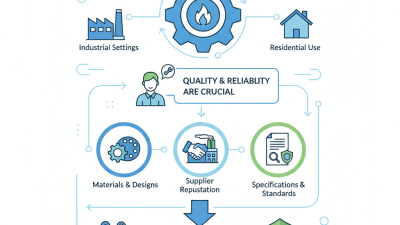
Reliable LPG service begins with correct selection. Choose fittings rated for LPG, the working pressure, temperature, and installation environment. Check thread type, connection size, sealing material, and resistance to corrosion. A fitting may look suitable but still be incompatible. This mistake is easy to make.
The World Health Organization reported that 2.3 billion people still cook with polluting fuels and technologies in 2022. Safe LPG systems therefore require more than convenient connections. Use components that meet recognized requirements, such as EN 16129 or NFPA 58, where applicable. Confirm the regulator outlet pressure and ensure every hose, valve, and connector matches it. Avoid forcing mismatched threads. Never improvise with household sealants. A qualified technician should tighten connections to specified torque, support heavy pipework, and protect fittings from heat and impact. After installation, test joints with an approved leak-detection solution. Never use a flame. Do not rely only on smell.
Maintenance keeps small defects from becoming serious failures. Inspect fittings for cracks, corrosion, abrasion, loose connections, and hardened seals. Replace damaged parts immediately. The World LPG Association’s statistical reviews indicate that LPG serves more than three billion people globally, making consistent maintenance practices especially important. Keep records of inspections and replacement dates. Follow local requirements and the fitting manufacturer’s service limits. One practical lesson deserves attention: visual checks can miss internal wear. A pressure test may be necessary. Even careful installers sometimes overlook vibration, sunlight, or repeated bending. Reflect on those conditions before approving the system.
Select, install, and maintain fittings according to the LPG mixture, temperature, pressure rating, material compatibility, and connection type.
The chart shows approximate vapor pressure for pure propane and n-butane at different temperatures. Actual LPG is commonly a blend, so pressure can vary by composition and weather conditions. Choose fittings with a certified working-pressure rating above the maximum expected system pressure, use seals compatible with LPG, install connections according to applicable codes, and perform leak checks during commissioning and routine maintenance.