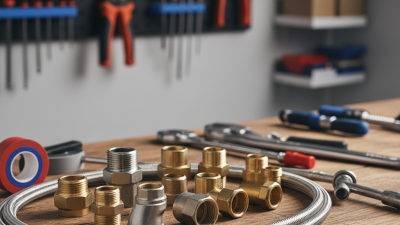
Essential Gas Fitting Supplies Tips for Global Buyers
In today's competitive marketplace, choosing the right gas fitting supplies is crucial for global buyers. According to industry reports, the global gas fittings market is projected to grow by 6% annually, reflecting rising energy needs and safety standards. This growth highlights the importance of sourcing reliable and high-quality gas fitting supplies.
Buyers must pay attention to materials and certifications. A mismatch can lead to costly safety violations. Recent studies indicate that improper fittings account for 30% of gas leaks, emphasizing the need for diligent procurement. Trustworthy suppliers should provide comprehensive product information. It's essential to analyze the durability and compatibility of gas fittings.
Buyers often overlook the importance of regulatory compliance. Understanding local regulations can avoid legal issues that arise from non-compliance. Despite the challenges in finding the right supplies, a thorough review can lead to better decision-making. This guide aims to equip buyers with essential insights for sourcing gas fitting supplies effectively.
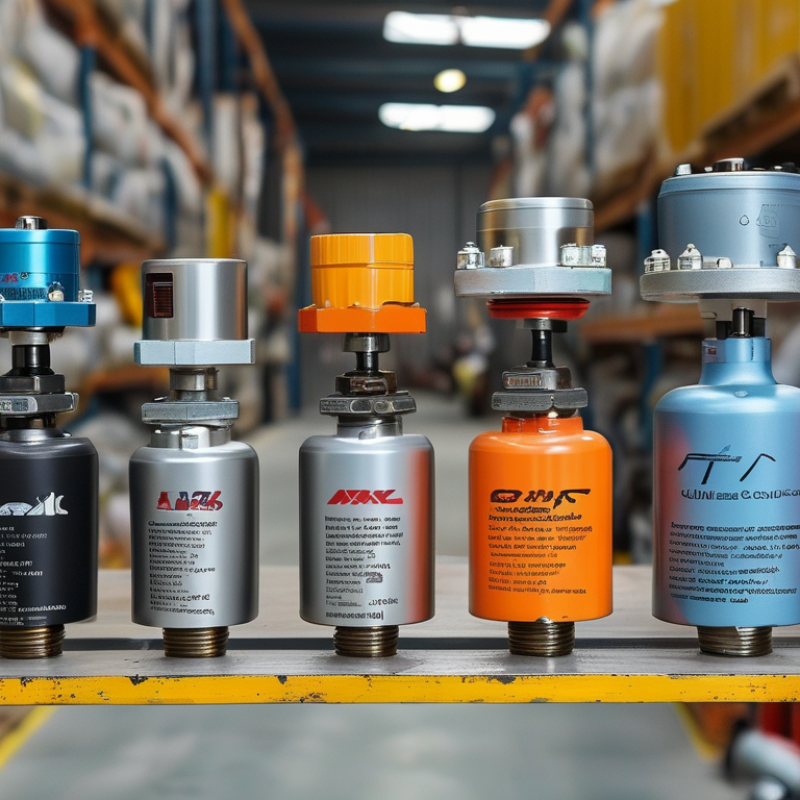
Understanding the Basics of Gas Fitting Supplies for Global Buyers
When it comes to gas fitting supplies, understanding the basics is crucial for global buyers.
The first step is identifying the essential materials needed. This often includes various types
of pipes, fittings, and valves. Each component has specific uses in gas systems. Knowledge of
these elements can save time and prevent costly errors. Not all materials are compatible, so
it's vital to know the specifications of your project.
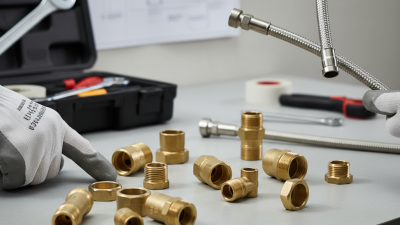
Installation techniques play a key role in ensuring safety and efficiency. Many global buyers
may overlook the importance of proper fitting techniques. However, an improper fit can lead to
leaks, which is a significant hazard. Buyers should prioritize training for their teams or seek
expert guides. This can greatly enhance safety standards.
Lastly, while sourcing supplies, it's important to consider the quality and reliability of the
products. Not all suppliers adhere to the same standards. A low-cost solution might lead to
higher expenses in the long run. Buyers should be vigilant about obtaining certifications from
manufacturers. This additional step can ensure that the materials meet international safety
and performance standards. It's a small effort that can lead to significant peace of mind.
Key Types of Essential Gas Fitting Supplies for Various Applications
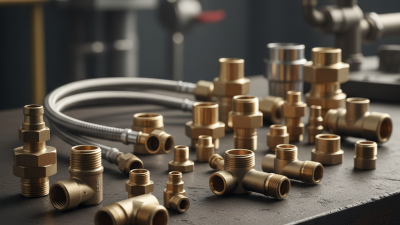
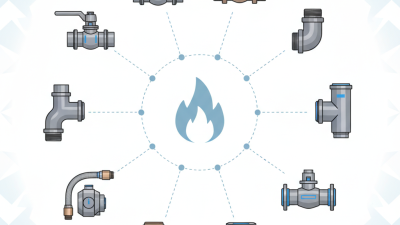
Gas fitting supplies play a crucial role in various applications. Understanding the key types of supplies is essential for buyers globally. Key components include gas regulators, connectors, valves, and piping. According to a report by Global Market Insights, the gas fitting market is projected to grow significantly, driven by the increasing natural gas consumption, especially in developing regions.
Gas regulators control pressure levels in various systems. They ensure safety and proper function. Choosing the right regulator for the application is vital. An inappropriate regulator can lead to leaks and inefficiencies. Similarly, gas valves play a critical role in controlling the flow. They come in many forms, including ball valves and gate valves. Each type suits specific applications, necessitating careful consideration.
Piping materials also impact the efficiency of gas systems. Copper, PVC, and steel are among the common choices. Each has distinct advantages and disadvantages. For instance, copper offers great durability but is more expensive. In contrast, PVC is lightweight and cost-effective but might not withstand high pressures. Global buyers must weigh these factors carefully. Making informed decisions is key to ensuring safety and functionality in gas fitting applications.
Factors to Consider When Sourcing Gas Fitting Supplies Internationally
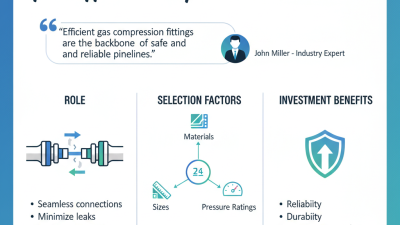
When sourcing gas fitting supplies internationally, it's crucial to assess the quality of materials. Look for suppliers who provide detailed specifications. This ensures that you receive products that meet safety standards. International shipping can complicate the procurement process. Understand the potential for delays and arrange for adequate inventory.
Consider the supplier's track record. An established supplier with strong reviews offers greater reliability. Investigate their compliance with international regulations. This inquiry can save you from costly mistakes. Lack of compliance may leave you vulnerable to legal issues.
Currency exchange and payment methods can also impact your sourcing experience. Opt for suppliers who have transparent pricing structures. Hidden fees can easily escalate costs. Reflecting on your supplier relationships can lead to better negotiations. Each interaction can serve as a learning opportunity to improve future sourcing strategies.
Top Suppliers and Manufacturers to Consider for Gas Fitting Needs
In the gas fitting industry, selecting the right suppliers and manufacturers is crucial for global buyers. A recent industry report estimates that the demand for gas fitting supplies will grow by over 5% annually through 2025. This highlights the importance of sourcing quality materials from trusted providers. When researching suppliers, focus on their experience and track record in the market. Reliable manufacturers typically have a range of certifications confirming their products meet international safety standards.
Identifying specialized suppliers can be a game-changer. Many top manufacturers offer a variety of fittings, valves, and connectors that adhere to strict quality control measures. It's essential to evaluate their production processes. Look for suppliers that provide detailed specifications and testing results for their products. Understanding the nuances of different materials and their applications in gas fitting is vital for informed purchasing.
Quality control is key. Ensure that suppliers have robust quality assurance processes. Regular audits and third-party certifications contribute to reliability. Consider sourcing from multiple suppliers as a strategy to mitigate risks. Diversifying your supplier base can lead to better pricing and availability. In an evolving market, staying informed about trends and innovations in gas fitting technology will help maintain a competitive edge.
Best Practices for Importing Gas Fitting Supplies Safely and Compliantly
When importing gas fitting supplies, safety and compliance are paramount. Understanding regulations is essential. Each country has its own rules. Researching these can prevent costly mistakes. You’ll want to be familiar with documentation requirements. Proper labeling and certifications are critical.
Tips for safe importing include vetting suppliers carefully. Always check their credentials. Reliable suppliers will have a history of compliance. Conduct thorough audits of potential manufacturers to ensure they meet safety standards. Establish clear communication channels with your suppliers. Miscommunication can lead to misunderstandings.
Maintain awareness of shipping procedures. Delays or issues at customs can disrupt your supply chain. Build relationships with customs brokers who understand gas fitting regulations. This can streamline the process. Reflect on the risks of your imports. Continuous education on international standards will enhance your operations.