7 Best Blow Lamp Gas Options for Global Buyers
Choosing the right blow lamp gas can affect heating speed, flame stability, operating cost, and workplace safety. Global buyers often compare butane, propane, isobutane, MAP-Pro, and other approved fuel blends. Each option behaves differently in cold weather, high-altitude work, and repeated professional use.
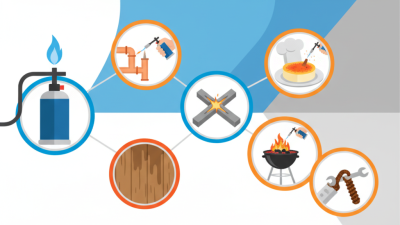
This guide examines seven practical blow lamp gas options for workshops, plumbing tasks, culinary equipment, maintenance, and outdoor applications. It considers vapor pressure, ignition performance, cylinder design, storage conditions, and regional availability. A small butane cartridge may suit light repairs, while propane can provide stronger performance for demanding jobs. That difference matters.
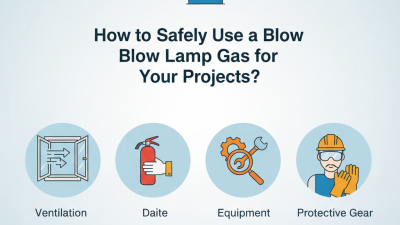
Safety remains central. Buyers should check the appliance manual, connector type, valve system, labeling, and Safety Data Sheet before purchase. Local transport and storage rules also require attention. A gas that is common in one country may be restricted, unavailable, or incompatible elsewhere. Never assume universal compatibility.
There is no perfect choice.
Real-world results can vary. Wind, temperature, nozzle condition, and operator technique may change the flame. Some online comparisons also oversimplify fuel performance. This article therefore focuses on practical evidence rather than bold promises. It also encourages buyers to confirm certification, supplier reputation, and after-sales support. A cheaper cylinder may become expensive if it leaks, fits poorly, or cannot be replaced locally. Careful selection protects equipment, workers, and surrounding property.
Blow Lamp Gas Basics: Fuel Types, Uses, and Performance Factors
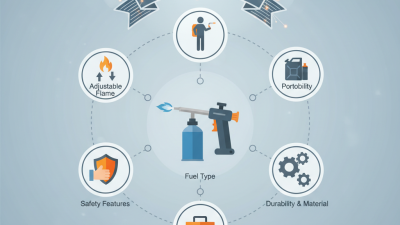
Blow lamp gas is not a one-fuel decision. Buyers should compare n-butane, isobutane, propane, butane-propane blends, LPG blends, propylene, and acetylene-based systems. The last option belongs to approved industrial torch equipment, not ordinary portable lamps. Always match the fuel with the burner, valve, hose, and cylinder connection.
Butane burns cleanly and suits compact lamps for soldering, cooking, and light maintenance. Isobutane performs better in cool conditions because it vaporizes more reliably. Propane offers stronger heat and faster work, but its higher pressure demands suitable regulators and containers. Mixed gases can balance ignition, flame strength, and cold-weather use. Performance changes with cylinder size, ambient temperature, nozzle design, and fuel purity.
Propylene can produce a hot flame for demanding metalwork, although equipment compatibility must be confirmed. LPG blends vary by region, so the label should show composition and certified filling information. Acetylene requires specialist handling and is rarely appropriate for handheld consumer lamps. Check local transport rules before importing gas. Check the seal twice.
A practical inspection includes the valve thread, safety markings, leak condition, and manufacturer-rated pressure. Never judge quality by flame color alone; airflow and nozzle cleanliness also matter. I have seen buyers choose maximum heat, then struggle with control on thin metal. More heat is not always better. For global purchasing, tested compatibility and stable supply often matter more than the highest flame temperature.
7 Blow Lamp Gas Options: Approximate Flame Temperature in Air
Flame temperature is an important performance indicator, but real results also depend on burner design, gas pressure, air mixing, ambient conditions, and fuel purity. The values shown are approximate adiabatic flame temperatures in air and are intended for general comparison rather than equipment selection. Propane and butane are widely used for portable lamps, while propylene and acetylene can provide higher heat output for demanding applications.
Propane: A Versatile Option for Heating, Soldering, and Outdoor Work
Propane remains a practical blow lamp gas for heating, soldering, and outdoor work. It burns cleanly enough for many controlled applications and is widely available across international supply chains. The World LPG Association’s Statistical Review 2024 estimates global LPG consumption at about 331 million tonnes in 2023. Propane represents a major share, although LPG includes other gases too. That distinction matters when comparing suppliers and equipment.
For buyers, propane offers useful heat in workshops, repair sites, kitchens, and open-air maintenance. Its liquid storage makes transport efficient, while vapor pressure supports steady burner performance. The U.S. Energy Information Administration reported average propane exports of approximately 1.6 million barrels per day in 2023. This figure suggests strong supply capacity, not guaranteed availability in every country. Local cylinder standards, valve types, filling rules, and import requirements still need careful checking. Cold weather can also reduce vaporization and weaken the flame. A larger cylinder may help, but it adds weight and handling concerns. Not perfect.
Choose a certified appliance designed for propane service. Check the regulator, hose, seals, and operating pressure before use. Ventilation remains essential, especially during indoor soldering. A small flame can still produce dangerous heat and combustion gases. Purchase decisions should balance energy output, portability, refill access, and verified safety documentation. Data supports propane’s versatility, but field conditions often expose assumptions that product sheets overlook.
Butane: A Clean and Portable Choice for Compact Blow Lamps
Butane is a clean and portable fuel choice for compact blow lamps. It burns with a steady flame and leaves little visible residue when properly refined. This matters during soldering, small culinary tasks, jewelry work, and controlled heat-shrink applications. The canister is lightweight, easy to store, and widely available in many markets. Compact equipment benefits from that simplicity.
Fuel quality still deserves careful attention. Choose butane labeled for the intended appliance and check the local safety requirements before purchase. Higher-purity fuel can reduce nozzle blockage and uneven ignition, although performance also depends on the lamp’s valve and maintenance. A narrow blue flame usually indicates efficient combustion. Yellow flames may signal contamination, poor adjustment, or insufficient air. Stop using the lamp if the flame becomes unstable.
Butane works best in a ventilated workspace, away from sparks, heat sources, and children. Store containers upright and protected from direct sunlight. Never refill a warm lamp, and inspect seals before ignition. Cold conditions can reduce pressure. That limitation is easy to overlook. It is not perfect. I would also question marketing claims that promise identical performance everywhere, because fuel standards and climate conditions differ between regions. Buyers should review technical labels, transport rules, and after-sales guidance from qualified suppliers before making a global purchase.
MAP-Pro Gas: High-Heat Performance for Professional Applications
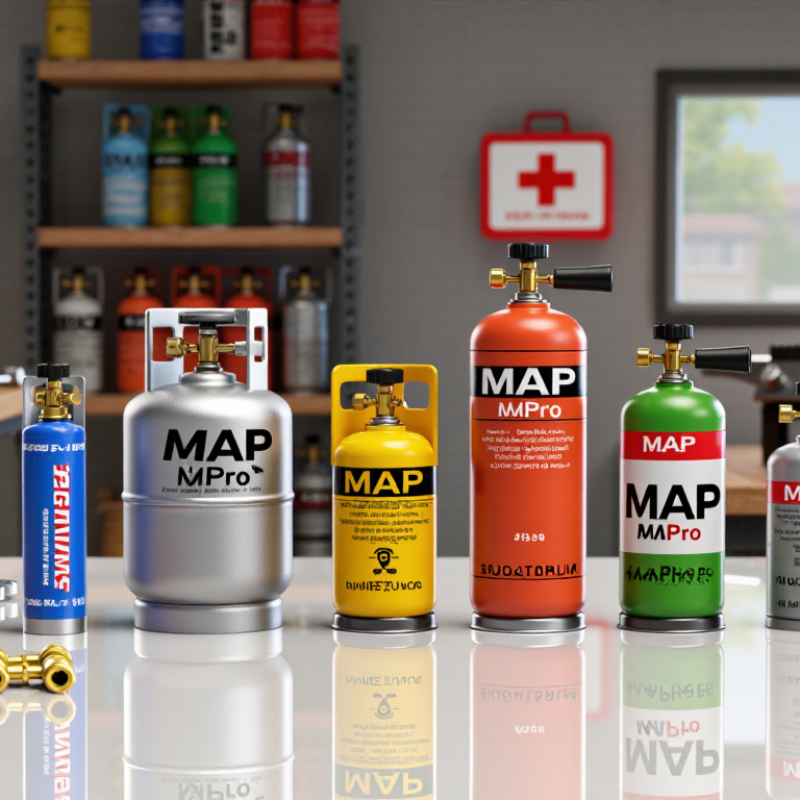
MAP-Pro gas offers higher heat than standard propane, making it useful for demanding blow lamp work. It supports faster heating of copper pipes, seized fittings, and thick metal components. Many professional users value its stable flame during extended applications. However, performance depends on the torch design, nozzle condition, and ambient temperature. Gas alone does not guarantee better results.
For global buyers, cylinder specifications deserve careful attention. Check the fitting type, fill weight, storage requirements, and transport documentation before ordering. Use only equipment rated for MAP-Pro gas and follow local fuel regulations. A trained technician should inspect hoses, seals, and regulators regularly. I have found that small seal problems often cause uneven flames and wasted fuel. That detail is easy to overlook.
Tips: Keep the cylinder upright and away from direct heat. Work in a well-ventilated area, even outdoors. Light the torch with an approved igniter, not improvised materials. Test the flame before starting precision work. MAP-Pro gas can be powerful, but excessive heat may damage sensitive parts. Practice on scrap metal first. This extra step feels slow, yet it reduces mistakes and improves control.
7 Best Blow Lamp Gas Options for Global Buyers - MAP-Pro Gas: High-Heat Performance for Professional Applications
| Fuel Option |
Main Component |
Approx. Flame Temperature in Air |
Boiling Point |
Typical Supply Format |
Best Applications |
Global Buyer Considerations |
Propylene fuel
(MAP-Pro category) |
Propylene, C3H6 |
Approximately 2,050°C |
−47.7°C |
Pressurized disposable cylinders and refillable cylinders |
Copper pipe brazing, HVAC/R service, plumbing, heating and maintenance work |
High heat output with good cold-weather vaporization; verify local cylinder-valve and transport requirements. |
| Propane |
Propane, C3H8 |
Approximately 1,980°C |
−42.1°C |
Small cartridges, refillable cylinders and bulk tanks |
General heating, roofing, soldering, outdoor maintenance and workshop use |
Widely available internationally and suitable for low-temperature environments; requires a compatible regulator or torch. |
| n-Butane |
n-Butane, C4H10 |
Approximately 1,970°C |
−0.5°C |
Small aerosol-style cartridges and refill cans |
Light soldering, culinary torches, shrink-wrapping and portable household tasks |
Easy to source in many markets, but performance can decline in cold conditions because of its higher boiling point. |
| Isobutane |
Isobutane, C4H10 |
Approximately 1,970°C |
−11.7°C |
Threaded camping canisters and portable fuel cartridges |
Portable heating, field maintenance, camping equipment and light brazing |
Generally performs better than n-butane in cool weather; connector standards differ between regions. |
| Acetylene |
Acetylene, C2H2 |
Approximately 2,500°C in air |
−84°C |
Dissolved-gas cylinders with specialized regulators |
High-temperature cutting, welding and heavy metalwork with professional equipment |
Provides very high heat but has stricter storage, handling and transport requirements; not intended for ordinary handheld torches. |
| Hydrogen |
Hydrogen, H2 |
Approximately 2,045°C |
−252.9°C |
High-pressure gas cylinders or specialized supply systems |
Specialized brazing, laboratory heating and controlled industrial processes |
Very low molecular weight causes rapid diffusion and leakage risks; requires equipment designed specifically for hydrogen service. |
| Natural gas |
Primarily methane, CH4 |
Approximately 1,950°C |
Approximately −161.5°C for methane |
Fixed pipeline supply or compressed-gas systems |
Stationary heating, workshops and industrial burners with suitable gas connections |
Economical where pipeline infrastructure exists, but usually less practical for portable blow lamps. |
Note: Flame temperatures are approximate theoretical values for combustion in air and vary with burner design, gas pressure, oxygen availability and operating conditions. Always use a torch, regulator, valve and cylinder connection approved for the selected fuel and local market.
How Global Buyers Can Compare Safety, Compatibility, and Availability
7 Best Blow Lamp Gas Options for Global Buyers
Global buyers usually compare propane, n-butane, isobutane, LPG blends, propylene, acetylene, and natural gas. The choice depends on heat output, storage pressure, climate, and equipment design. Propane performs well in cold conditions, while butane and isobutane suit compact indoor-style torches. LPG blends can improve availability, but their composition may vary between countries. Never assume similar-looking cartridges are interchangeable.
Safety must come before price. EN 417 covers non-refillable metallic cartridges, while ISO 11118 addresses non-refillable gas cylinders. Buyers should check the appliance label, connector type, working pressure, valve design, and approved fuel category. A fuel with higher pressure can damage a torch designed for lower-pressure gas. That shortcut can fail. NFPA reported 1.5 million fires in the United States during 2023, causing about 23.2 billion dollars in direct property damage. This figure covers all fire types, not blow lamps, but it shows why storage and handling deserve serious attention.
Availability also changes by region. Propane is often easier to source in colder markets, while butane cartridges may be common in urban retail channels. The International Energy Agency continues to identify LPG as an important transition fuel for cleaner household energy. Still, supply chains are not perfectly consistent. I would compare local cylinder standards, transport rules, refill access, and safety documentation before ordering large volumes. A cheaper gas option may become expensive after adapters, special regulators, or import delays are added.