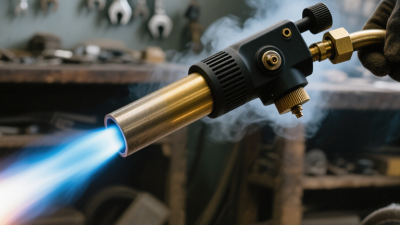
Top 10 LP Torch Suppliers for Global Buyers
Choosing an lp torch supplier is not just a matter of comparing prices. Global buyers also need to assess product consistency, clear specifications, and dependable communication. A torch may look suitable in a catalog, yet small details can affect everyday use. Check fuel compatibility, ignition type, flame adjustment, handle materials, and connection design before requesting a quotation.
This guide introduces ten suppliers for buyers seeking practical options across different markets and order sizes. It considers product range, manufacturing information, customization, packaging, and responsiveness. Details matter. A polished catalog is not proof of consistent production; that judgment needs samples and follow-up. Where available, review test records and relevant quality documentation, and confirm that products meet the requirements of the destination market. Requirements can differ, so avoid assuming one document covers every shipment.
Before placing a large order, ask about minimum quantities, lead times, spare parts, and procedures for handling defects. Request written confirmation of specifications, especially when flame control or connection types are important to your application. Photos and sample units can help, but they do not replace clear agreements and inspection planning. Supplier information may change over time, and performance can vary between production runs. Use this overview as a starting point, then verify details directly with each company. The strongest choice is the supplier whose capabilities, documentation, and service fit your actual purchasing needs—not simply the one with the lowest quoted price.
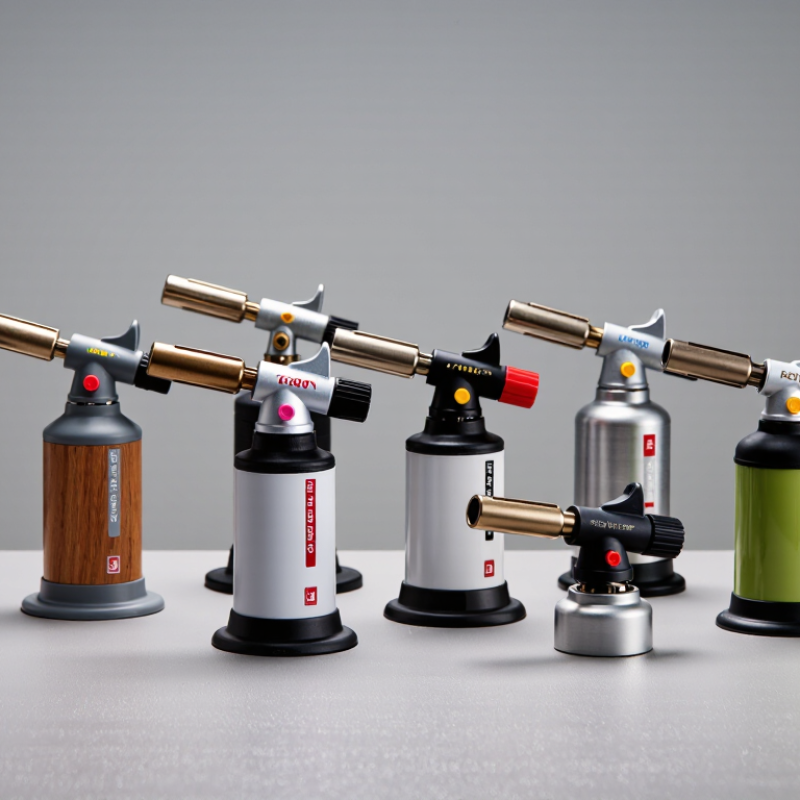
What LP Torches Are and Where They Are Used
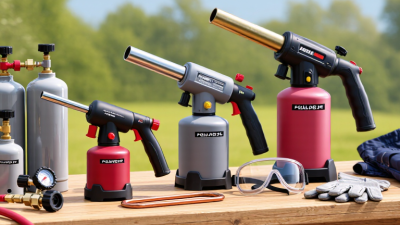
An LP torch uses liquefied petroleum gas, commonly propane or butane, to produce a controlled flame for heating. Depending on its design, it may be a compact hand-held tool or a larger torch connected to a fuel cylinder. The flame is direct. Operators use these tools for tasks such as soldering copper fittings, heating metal for fabrication, and applying heat during roofing repairs. In food preparation, suitable models can brown or finish dishes, but only equipment designed for that purpose should be used.
Worksites vary. A maintenance technician may need a narrow flame for a small fitting, while a fabrication shop may require broader, steadier heat across a metal surface. Torch choice depends on the material, required heat output, working time, and access to fuel. Details matter. Buyers should check fuel compatibility, control features, product documentation, and whether the torch is rated for the intended task. Requirements and accepted specifications can differ between markets.
Safe use also depends on the workspace, not just the tool. Follow the operating instructions, use appropriate protective equipment, and provide suitable ventilation. Keep combustible materials away from the flame, and inspect connections before use. A torch can look simple, yet small differences in nozzle design and heat control affect the result. I would not assume that one model suits every job; that shortcut is tempting, but often wrong.
LP Torch Fuels: Approximate Flame Temperatures in Air
LP torches commonly use propane, butane, or LPG blends for tasks such as soldering, roofing, paint removal, and thawing pipes. The values shown are approximate theoretical flame temperatures in air; actual torch performance varies with the torch design, gas mixture, and operating conditions.
Comparing Product Range, Certifications, and Export Capabilities
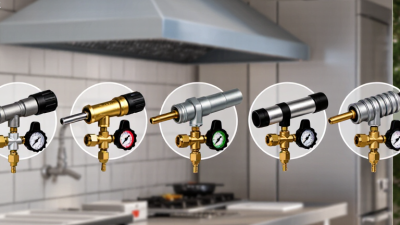
When comparing LP torch suppliers, examine the actual product range: nozzle sizes, hose options, ignition styles, and replacement parts. A catalog photo cannot show whether a supplier can keep a specific nozzle available. Ask for current product specifications, batch traceability, and test reports. ISO 9001 indicates a quality-management system; it does not, by itself, certify a torch’s safety or performance. Check that product documentation matches the destination market and intended use.
Certifications deserve close review. Request certificate numbers, issuing bodies, expiry dates, and the product models covered. Then verify whether the documents apply to the exact torch configuration you plan to import. Details matter. A valid certificate for one model may not cover another. Requirements also vary by market, so a generic “internationally certified” claim needs evidence.
Export capability is more than a shipping quote. UNCTAD’s Review of Maritime Transport 2024 reports that over 80% of world trade by volume moves by sea, making packaging, lead times, and shipping documents practical comparison points. Ask suppliers how they protect valves and ignition parts, manage spare-part orders, and provide manuals in required languages. The WTO reported a 1.2% contraction in global merchandise trade volume in 2023, underscoring why buyers should confirm delivery schedules rather than rely on optimistic estimates. Forecasts can shift; supplier promises can, too.
How Global Buyers Can Choose and Verify a Supplier
Choosing an LP torch supplier takes more than comparing unit prices.
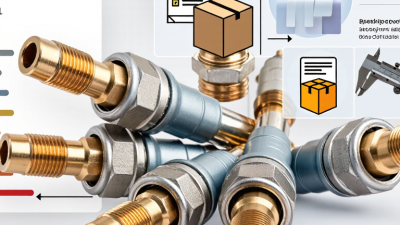
Ask for a current product specification sheet covering materials, ignition type, hose connections, and operating pressure. Details matter. Compare the same configuration across quotations, including spare parts, packaging, and minimum order quantities.
Request sample units from the production model, not a specially prepared display sample. Check the fit of the connections, the clarity of operating instructions, and consistency between units. Ask how the supplier tests for leaks and verifies ignition performance, then request dated test records or a live inspection. Confirm which product standards apply in your destination market, and verify certificates with the issuing body. A PDF alone proves little. It is also useful to review the factory’s quality process, warranty terms, and response time for defect reports. A polished sales reply cannot replace evidence.
Before placing a large order, agree on the approved sample, inspection criteria, and remedies for nonconforming goods in writing. Check whether packaging protects valves and handles during transport. Ask for recent export references, while respecting client confidentiality. No check removes every risk; sample results may not reflect a full production run. Keep the evaluation notes, and consider an independent pre-shipment inspection when order value or consistency concerns justify the cost.