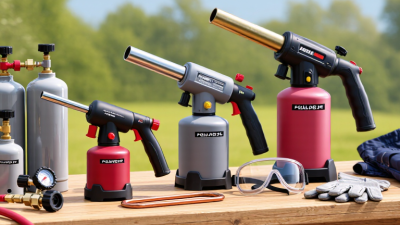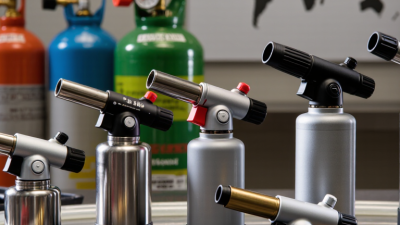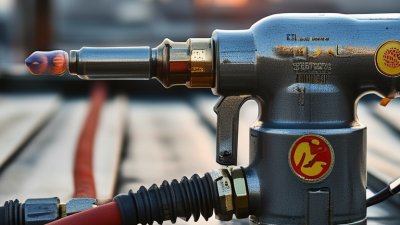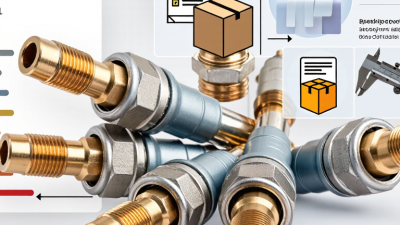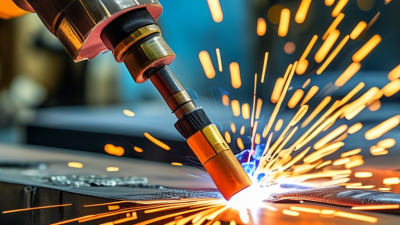
A propane gas torch is a compact heating tool that turns stored fuel into a focused flame. Its operation looks simple, but several controlled steps occur inside the handle. Liquid propane leaves the cylinder, expands into vapor, and passes through a small valve or jet. Air then mixes with the fuel before ignition. The result is a hot, adjustable flame that can heat metal, loosen seized fittings, or perform controlled outdoor work.
The U.S. Energy Information Administration explains that propane is recovered during natural gas processing and crude oil refining. This supply chain helps explain its broad availability in cylinders, workshops, farms, and construction settings. EIA’s Petroleum Supply Monthly also tracks propane as a significant petroleum product, showing why storage, transport, and seasonal demand matter. A torch is not merely a metal tube with fire.
Flame behavior depends on pressure, nozzle design, fuel quality, and surrounding airflow. A blue flame usually indicates efficient combustion, while a soft yellow flame may signal incomplete mixing or contamination. NFPA 58, the Liquefied Petroleum Gas Code, emphasizes approved containers, leak prevention, ventilation, and safe separation from ignition hazards. These details are easy to underestimate. They should not be.
This guide explains the main parts of a propane gas torch, how fuel moves through the system, and why the flame changes under different conditions. It also considers practical limitations, because published specifications cannot predict every real workshop environment. Even experienced users can overlook a damaged hose, a loose connection, or heat reflected from nearby surfaces. Careful inspection remains essential.
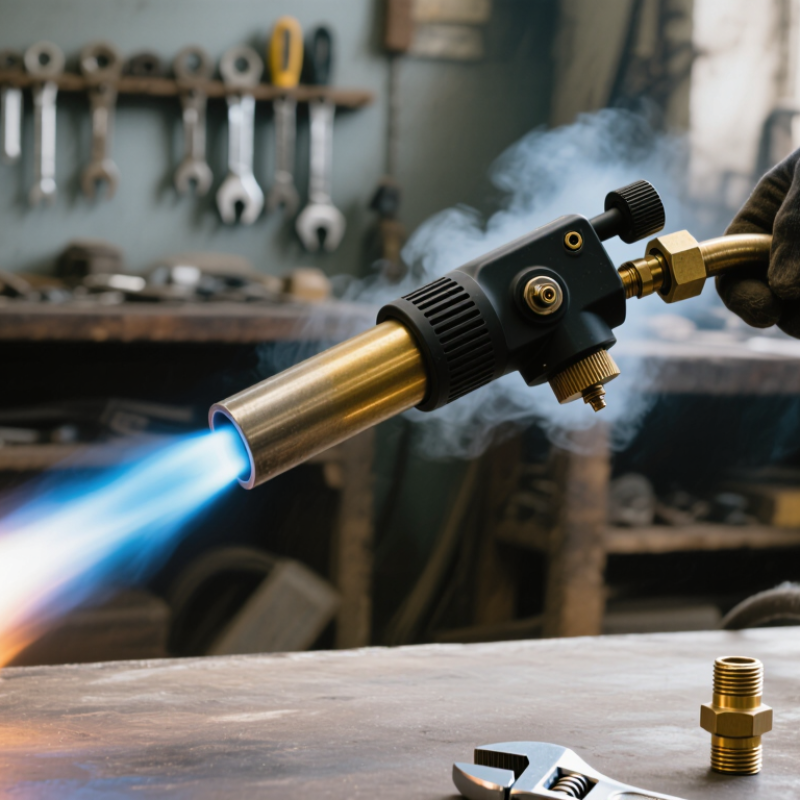
A propane gas torch is a hand-held heating tool that burns propane with oxygen from surrounding air. It produces a focused flame for heating, soldering, brazing, thawing, and controlled surface work. It is portable. The main components include a propane cylinder, shutoff valve, pressure regulator, hose, burner head, ignition system, and flame-control valve. The regulator reduces cylinder pressure before gas reaches the burner. Heat changes quickly.
When propane exits the burner, it mixes with air and ignites. The flame temperature can exceed 1,900°C under suitable conditions, although real performance depends on the burner design and airflow. NIST thermochemical data places propane’s lower heating value near 46.4 megajoules per kilogram. That figure explains its strong heating capacity, not guaranteed job performance. A narrow blue flame usually indicates efficient combustion, while yellow flame can signal poor mixing or contamination.
Industry data also shows why propane remains widely available. The U.S. Energy Information Administration reported approximately 1.4 million barrels per day of U.S. propane and propylene product supplied in 2023. NFPA 58, the Liquefied Petroleum Gas Code, addresses cylinder placement, separation, handling, and ventilation requirements. These details matter because propane vapor is heavier than air and may collect near floors. Carbon monoxide is another concern during incomplete combustion. Use should match the torch rating, fuel connection, workspace ventilation, and applicable local requirements. In practice, users sometimes trust flame color too much. Inspection, leak testing, and manufacturer instructions still matter more.
A propane gas torch is a hand-held tool that burns propane gas to produce a focused flame. Propane flows from a pressurized cylinder through a valve and nozzle, mixes with air or oxygen, and ignites at the burner tip.
Approximate flame temperature: A propane flame reaches about 1,980°C in air and can reach approximately 2,800°C when supplied with oxygen. Actual temperatures vary with gas pressure, airflow, nozzle design, and the fuel-to-oxidizer ratio.
Main components: The typical torch includes a propane cylinder or hose connection, control valve, regulator, mixing tube, burner nozzle, and ignition system. Common uses include soldering, brazing, heating metal, removing paint, thawing pipes, and applying heat for maintenance work.
A propane gas torch burns propane after mixing it with air at the burner tip. A spark or pilot flame starts the reaction, and the expanding hot gases create a focused flame.
Propane contains about 46.4 MJ of chemical energy per kilogram. That figure explains why a small cylinder can provide strong, sustained heating for metalwork, plumbing, cooking, and controlled outdoor tasks.
During combustion, propane reacts with oxygen and mainly forms carbon dioxide, water vapor, and heat. With enough oxygen, the flame burns cleaner and appears mostly blue. A yellow, unstable flame may indicate incomplete combustion, poor adjustment, or a dirty burner. The 46.4 MJ/kg value is theoretical energy content, not usable heat at the workpiece. Wind, distance, metal thickness, and heat loss reduce the result.
I have found that flame appearance helps, but it should never replace proper equipment checks.
Tips:
Use the torch only in a well-ventilated area. Keep the cylinder upright and inspect the hose, regulator, and connections before lighting. Apply leak-detection solution, never an open flame, to suspected connection points.
A steady blue flame is generally desirable, but operating instructions still matter. Wear eye protection and heat-resistant gloves. Keep combustible materials several meters away.
Never leave a lit torch unattended, even briefly. If you smell gas, shut off the supply, avoid switches, and move away before seeking qualified help.
Temperature estimates can be misleading, especially outdoors. Always judge heating by the material, not just the flame.
A propane gas torch burns propane mixed with air to create a focused flame. The regulator controls the gas pressure before propane reaches the torch. Cylinder pressure can change greatly with temperature, but the torch needs a steadier supply. That is the regulator’s main job.
Typical outlet pressure may range from 0.1 to 0.3 MPa, depending on the torch design. Inside, a spring and diaphragm respond to downstream pressure. When pressure drops, the diaphragm opens the valve farther. When pressure rises, it restricts the passage. This balancing action keeps the flame more stable during use. Small adjustments matter.
Pressure is not the whole story.
A regulator may include an adjustment screw, a pressure gauge, or a preset outlet. Operators should match its range to the torch specification. Setting a higher pressure does not always produce more useful heat. It can create a noisy flame, poor combustion, or an unsafe connection. A common mistake is treating the regulator like a simple on-off valve; it is a control device, not a substitute for proper shutoff equipment.
In practical inspection, check the hose, fittings, and regulator body before lighting. Apply an approved leak-detection solution and watch for growing bubbles. Never test leaks with a flame. Use the torch in a well-ventilated area, keep cylinders upright, and close the supply after use. The pressure reading may look correct while a damaged hose remains dangerous. This explanation is simplified, because regulator behavior also changes with flow demand, temperature, and wear.
| Data Dimension | Typical Value or Description | How It Relates to Torch Operation |
|---|---|---|
| Appliance type | Propane-air gas torch | Burns vaporized propane mixed with air to produce a focused heating flame. |
| Fuel | Commercial propane, primarily C3H8 | Propane is stored as a liquid under pressure and leaves the cylinder as vapor when the torch draws fuel. |
| Propane boiling point | Approximately −42 °C at atmospheric pressure | At ordinary ambient temperatures, propane readily vaporizes after leaving the liquid-filled cylinder. |
| Regulator function | Reduces and stabilizes cylinder pressure | A spring-and-diaphragm mechanism adjusts an internal valve to maintain a controlled outlet pressure as inlet pressure changes. |
| Outlet pressure range | 0.1–0.3 MPa gauge, equivalent to approximately 1–3 bar or 14.5–43.5 psi | This range is commonly associated with adjustable torch regulators, but the correct setting must match the torch and regulator specifications. |
| Pressure conversion | 0.1 MPa = 100 kPa; 0.2 MPa = 200 kPa; 0.3 MPa = 300 kPa | The pressure gauge indicates the regulated gas pressure available at the torch inlet. |
| Flow-control mechanism | Regulator valve plus torch control valve | The regulator controls available pressure, while the torch valve provides the user’s primary adjustment of gas flow. |
| Pressure versus flow | Higher pressure generally permits greater flow through the same orifice | Actual flow also depends on nozzle size, valve position, hose resistance, gas temperature, and the torch design. |
| Air entrainment | Venturi effect in many atmospheric torches | Fast-moving propane draws surrounding air through mixer openings before combustion. |
| Flame adjustment | Fuel valve and, where fitted, air shutter | A correct fuel-air ratio produces a stable blue flame; too much fuel can create a soft yellow flame and soot. |
| Stoichiometric air requirement | About 23.8 volumes of air per volume of propane, theoretically | This represents the approximate air volume needed for complete combustion under ideal conditions. |
| Complete-combustion products | Carbon dioxide, water vapor, and heat | Incomplete combustion may produce carbon monoxide, soot, and a less stable flame. |
| Theoretical flame temperature | Approximately 1,980 °C in air under ideal conditions | Actual flame temperature varies with air mixing, heat loss, nozzle design, and operating conditions. |
| Heat intensity | Determined by flame temperature and heat-release rate | Increasing gas flow can increase heating capacity, but it does not automatically improve flame quality or efficiency. |
| Pressure regulation response | Designed to compensate for changing inlet pressure and demand | A properly selected regulator helps reduce pressure fluctuations when the cylinder pressure or torch demand changes. |
| Common applications | Heating, brazing preparation, soldering, paint removal, and controlled flame work | The appropriate torch tip, pressure, and flow must be selected for the material and task. |
| Safety requirement | Use only compatible, inspected components in a well-ventilated area | Check connections for leaks, keep ignition sources controlled, protect cylinders from heat, and follow the equipment manufacturer’s pressure limits. |
Note: Pressure values are stated as gauge pressure unless otherwise indicated. The 0.1–0.3 MPa range is a general reference and is not a substitute for the rated operating pressure of a specific torch, hose, regulator, or cylinder.
A propane gas torch mixes propane with air at the nozzle, creating a controlled flame for heating or light metalwork. The valve regulates gas flow, while air openings influence combustion and flame temperature. Nozzle geometry matters. A narrow opening produces a focused flame with concentrated heat. A wider opening spreads heat across a larger surface.
The flame transfers heat through convection, radiation, and direct contact. Metal absorbs energy unevenly, especially when its surface is dirty, damp, or thick. Heat can travel through a workpiece faster than expected. This creates hot spots. It is easy to underestimate that loss. Moving the torch steadily helps distribute heat, but movement should never replace careful observation. A blue flame usually indicates cleaner combustion, although bright daylight can make the flame difficult to see.
Reliable operation depends on safety standards and disciplined checks. Use a certified torch, compatible hose, and pressure-rated regulator. Inspect connections before each use, then test for leaks with an approved leak-detection solution, never with a flame. Keep the cylinder upright and away from heat, sparks, and unstable surfaces. Provide adequate ventilation, and follow local regulations and equipment instructions. Wear eye protection, heat-resistant gloves, and nonflammable clothing. Standards are not paperwork alone. They reflect lessons from repeated failures. Even experienced users can overlook a damaged seal or a nearby combustible surface, so a final pause before ignition remains worthwhile.