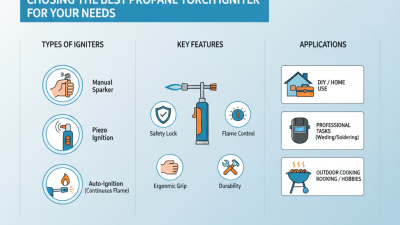
Best Propane Gas Torch for Global Buyers in 2026?

Choosing the best propane gas torch for global buyers in 2026 requires more than comparing flame temperature or online prices. Buyers need dependable performance, compatible fuel connections, safe handling, and verified manufacturing quality. A torch that works well in a European workshop may not fit a cylinder system in Southeast Asia or North America.

Industry data supports this wider view. The World LPG Association’s 2024 Statistical Review describes LPG as a globally traded fuel used across residential, commercial, industrial, and agricultural markets. Its findings highlight different consumption patterns between regions. The International Energy Agency also continues to identify LPG as an important option for cleaner cooking and distributed energy access. These trends increase demand for portable heating tools, including professional and household torches.

Supply conditions also matter. The U.S. Energy Information Administration’s Short-Term Energy Outlook regularly tracks propane production, inventories, exports, and price movements. These factors can influence torch operating costs and fuel availability. A low-priced product may become expensive when compatible gas cartridges are difficult to source.

Safety cannot be an afterthought. Buyers should check valve design, hose quality, ignition reliability, flame adjustment, operating instructions, and conformity documentation. Relevant requirements may include local gas-appliance rules, transport regulations, and recognized standards such as EN or CSA certification, where applicable. Certification alone is not proof of perfect quality. We should admit that product listings sometimes provide incomplete testing information.

This guide compares leading propane gas torch options for 2026. It considers real workshop use, regional compatibility, durability, control, maintenance, and supplier transparency. The best choice is not always the hottest torch. It is the one that performs safely, consistently, and predictably in the buyer’s actual market.
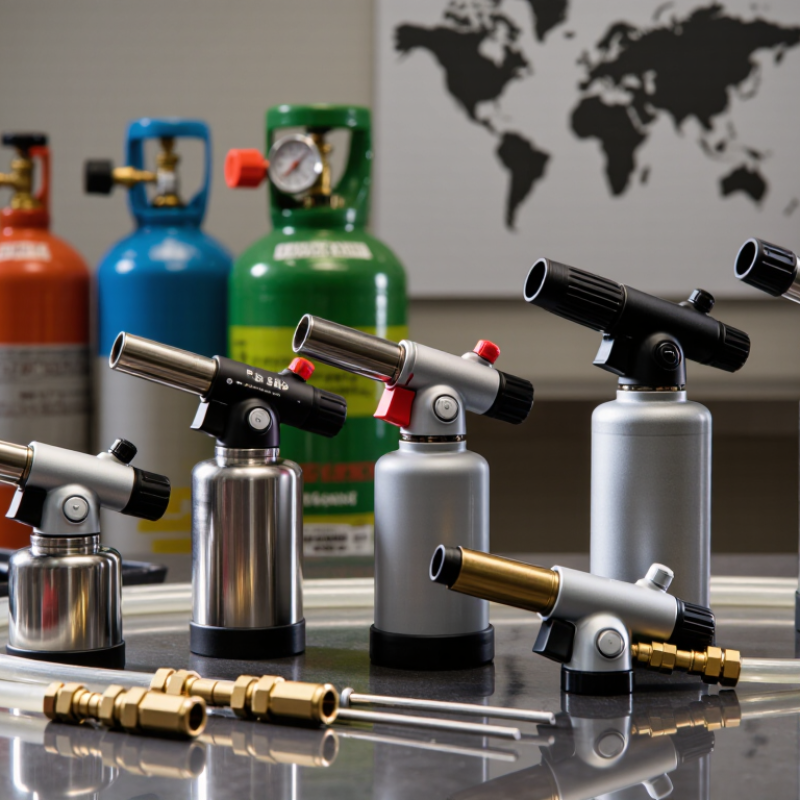
Best Propane Gas Torch for Global Buyers in 2026?

What Is a Propane Gas Torch and How Does It Work?

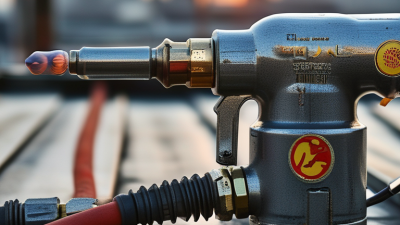
A propane gas torch is a handheld tool that burns vaporized propane with controlled air. Its flame produces concentrated heat for approved tasks such as metal heating, plumbing work, and surface treatment. Propane changes from liquid to gas near -42.1°C, according to the U.S. Energy Information Administration. That low boiling point helps the fuel vaporize inside the cylinder and reach the burner through a regulated valve.

The torch works through pressure, mixing, and ignition. Opening the valve allows propane to pass through a small orifice. Air then mixes with the gas, usually through natural air intake around the burner head. A spark or flame ignites this mixture.

Adjusting the valve changes fuel flow, while the burner design influences flame shape and temperature. The National Fire Protection Association’s NFPA 58 standard emphasizes approved cylinders, leak prevention, ventilation, and separation from ignition hazards. These controls matter more than impressive flame size.

Fuel quality and operating conditions affect performance. EIA energy data places propane near 91,500 British thermal units per gallon, although delivered heat varies with pressure, nozzle design, and wind. In field use, a torch may feel powerful but still heat unevenly.

I have found that rushing the adjustment often creates a soft, unstable flame. That is worth questioning. Buyers should verify local certification, hose compatibility, cylinder fittings, and service temperature ranges before selecting equipment. A reliable torch is not merely hot; it is controllable, inspectable, and suitable for the intended job.

Key Features to Compare When Choosing a Propane Torch

Choosing the best propane gas torch for global buyers in 2026 requires more than comparing heat output. In practical workshop use, flame control often matters more than maximum temperature. A torch should provide a stable flame during light wind and maintain even heating across metal surfaces. Look for an adjustable regulator, a reliable trigger igniter, and a clearly marked control valve. These features reduce wasted fuel and make delicate work easier.

Connection standards vary between countries. Check cylinder compatibility before purchase. A suitable torch should include secure fittings, durable seals, and a hose that resists heat and abrasion. An automatic shutoff can improve safety if the flame goes out unexpectedly. The handle should remain comfortable after several minutes of use. Small details matter.

Material quality also deserves close inspection. Brass fittings, reinforced hose joints, and a corrosion-resistant burner usually support longer service. However, heavier construction is not always better. It may increase fatigue during overhead work. Some product descriptions promise professional performance without explaining testing conditions. Be cautious. Look for recognized safety certification, clear operating instructions, and traceable manufacturer information. I would also compare replacement-part availability in the buyer’s region. A cheap torch becomes inconvenient when one seal is impossible to replace. No model is perfect. Your fuel supply, working position, climate, and intended task should guide the final choice.

How to Match Torch Types With Different Applications

Best Propane Gas Torch for Global Buyers in 2026?

How to Match Torch Types With Different Applications

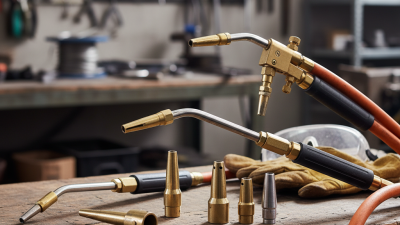
Choosing a propane torch starts with the job, not the advertised flame temperature. The WLPGA Statistical Review 2024 placed global LPG demand near 360 million tonnes in 2023, showing why buyers need equipment suited to varied climates and work sites. A pencil-flame torch fits small soldering, thawing, and detail heating. Its narrow flame is easier to control around copper fittings.

A swirl-flame torch spreads heat more evenly, making it more practical for brazing pipes and warming larger metal surfaces. It still needs steady hand movement.

Roofing, asphalt repair, and outdoor heating require a broad-flame torch with high heat output. Wind resistance matters more than a dramatic temperature claim. For precision brazing, select a torch with a stable regulator, compatible hose, and a flame-adjustment valve. ISO 5172 provides technical guidance for gas welding blowpipes, while NFPA 58 addresses LP-Gas storage and handling practices. These references should guide purchasing decisions across different markets.

Check the fuel connection carefully. Regional cylinder valves differ. So do pressure requirements. The U.S. Energy Information Administration reports propane’s boiling point at about -44°F, or -42°C, but cold weather can still reduce vapor pressure and flame stability.

I have seen buyers choose oversized torches for small repairs. That wastes fuel and increases heat damage. Bigger is not always better. The honest weakness is that application charts cannot predict every wind condition, metal thickness, or operator habit. Test the flame outdoors, wear suitable protection, and verify local installation requirements before regular use.

Safety Standards and Operating Practices for Global Buyers

For global buyers, the best propane gas torch is not simply the hottest one. It should match the intended task, fuel type, operating pressure, and local safety requirements. Safety comes first. Check the product’s conformity marks, test reports, and instructions for the destination country. Standards differ by market, so a certificate accepted in one region may not be sufficient elsewhere. Ask for clear documentation covering the torch body, regulator, hose, fittings, and ignition system.

Before use, inspect the hose for cuts, hardening, or loose connections. Keep the cylinder upright and away from heat, rain, and ignition sources. Use the correct regulator for the propane pressure specified by the manufacturer. Test connections with approved leak-detection solution, never with a flame. Work outdoors or in a properly ventilated area, and keep combustible materials several meters away. Wear eye protection, heat-resistant gloves, long sleeves, and closed footwear.

A steady blue flame is usually a useful operating reference, but it is not a complete safety check. Stop immediately if the flame lifts, sputters, smells unusual, or changes color unexpectedly. Small details matter. Experienced users can still rush setup. That is where mistakes happen. Keep a written inspection record, especially for commercial work, and replace damaged parts rather than improvising repairs. One practical weakness remains: product labels can be incomplete or confusing. Buyers should verify specifications with the supplier and an appropriately qualified local professional before purchasing or operating the torch.

Best Propane Gas Torch for Global Buyers in 2026?

Safety Standards and Operating Practices for Global Buyers

The chart shows commonly referenced propane thermal and combustion values relevant to torch selection and safe operation. Propane boils at approximately −42.1°C, has an autoignition temperature near 470°C, and can produce flame temperatures of about 1,980°C in air and 2,800°C with oxygen. Actual results vary with mixture, pressure, nozzle design, ventilation, and equipment condition.

Global buyers should verify local certification requirements, use compatible cylinders, regulators, hoses and flashback protection, keep liquid containers below the 80% filling limit, perform a leak test before use, provide adequate ventilation, wear flame-resistant PPE and shut off the fuel supply after operation.

How to Select the Best Propane Torch for 2026 Needs

Best Propane Gas Torch for Global Buyers in 2026?

How to Select the Best Propane Torch for 2026 Needs

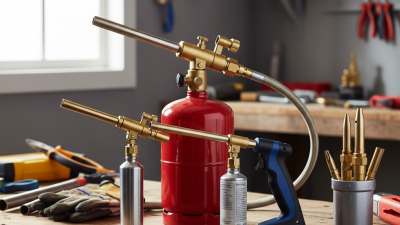
Choosing a propane torch in 2026 requires more than checking flame temperature. Match the torch to the task, fuel pressure, and local certification rules. Roofing, plumbing, brazing, and outdoor heating require different burner sizes. A narrow flame improves control, while a wide burner spreads heat faster. The U.S. Energy Information Administration lists propane at approximately 91,452 British thermal units per gallon. This figure helps compare fuel efficiency, but real performance changes with wind, nozzle design, and operating pressure.

Look for a stable regulator, heat-resistant hose, secure cylinder connection, and a reliable ignition system. For international purchasing, verify compatibility with local propane fittings and appliance standards, such as EN 521 where applicable. The World LPG Association’s 2024 Statistical Review shows LPG remains a major global energy source, but supply conditions and cylinder formats differ by region. A perfect torch probably does not exist. Buyers sometimes focus on maximum heat and overlook handling fatigue. That mistake can matter during a long repair.

Tips: Choose adjustable flame control for mixed jobs. Test the grip with gloves. Confirm spare nozzles are available locally. Read the safety instructions before use, and inspect connections for damage. NFPA 58 guidance emphasizes approved storage, handling, and separation practices for LPG equipment. Independent certification is valuable, but it does not replace careful daily inspection.