10 Plumbing Torch Buying Tips for Global Buyers?

Choosing the right plumbing torch is not a simple matter of comparing prices. Global buyers face different fuel systems, workplace standards, climates, and supplier practices. A torch that performs well in a dry workshop may behave differently in humid coastal conditions. This guide explains ten practical buying tips for selecting a plumbing torch with greater confidence. It focuses on safety, performance, durability, and responsible sourcing.

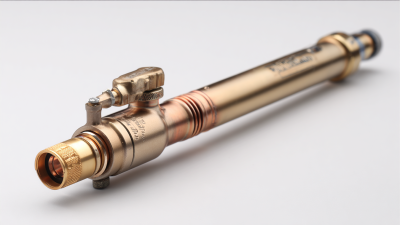
Real purchasing decisions often begin with small details. Check fuel compatibility, flame control, ignition design, hose connections, and handle comfort. Examine whether the brass fittings feel secure and whether replacement parts are available locally. A stable flame matters when heating copper joints beside a wall or under a narrow sink. Clear instructions and reliable packaging also reduce avoidable problems during transport and installation. Product certifications should be verified through appropriate regional authorities, not assumed from a supplier’s claims.

Specifications can still be incomplete. That deserves attention. Some listings exaggerate heating speed while ignoring operating temperature or service life. Buyers should request test information, warranty terms, inspection records, and technical support before placing large orders. Local plumbing professionals can reveal practical weaknesses that catalog photographs hide. No product fits every market perfectly, and even experienced buyers may overlook a minor connection difference. Careful comparison, documented communication, and compliance with local safety requirements create a more dependable purchase. The following tips are designed to support informed decisions without replacing professional installation guidance.
10 Plumbing Torch Buying Tips for Global Buyers?

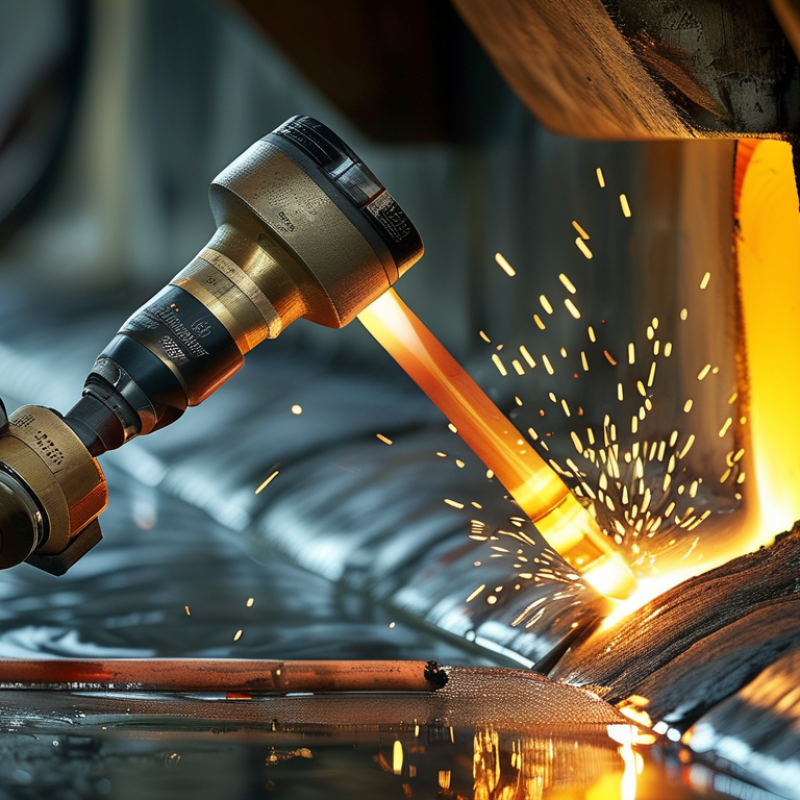
Choose Heat Output by Fuel: Propane ~1,980°C; Oxy-Acetylene ~3,160°C

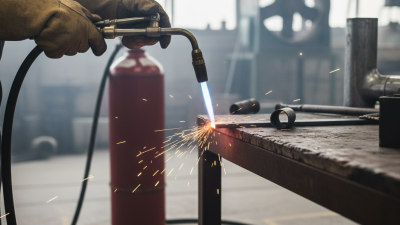
Fuel choice determines a torch’s practical heating range, not just its flame appearance. Reference data from Engineering Toolbox lists propane in air at about 1,980°C, while oxy-acetylene can approach 3,160°C. That gap matters when brazing thick copper, heating seized fasteners, or cutting steel. Oxy-acetylene delivers a sharper, hotter flame, but it also demands stricter cylinder handling and trained adjustment. NFPA 51, 2024, emphasizes separation, ventilation, flashback protection, and safe gas-system design for fuel-gas operations.

Tip: Match heat output to material thickness. A propane torch may suit small copper joints and light maintenance work. It can struggle with a large brass fitting, especially outdoors or in cold weather. Oxy-acetylene heats faster, yet excessive heat can distort thin metal or damage nearby seals. Watch the puddle, not only the flame color.

Tip: Check the regulator, hose, nozzle, and local gas specification before buying. Global buyers should verify pressure units, connector standards, and cylinder compatibility with the supplier. The International Labour Organization identifies poor equipment control and inadequate training as recurring contributors to occupational injuries. This is easy to underestimate. I would also question advertised temperature figures, because wind, nozzle design, fuel purity, and operator technique reduce real-world performance. A torch that looks powerful may still heat slowly on a long, exposed pipe.

Size Tips by Capacity: Compare BTU/h, Orifice, and Gas Consumption

10 Plumbing Torch Buying Tips for Global Buyers: Size Tips by Capacity

When comparing plumbing torches, start with the heating job, not the tool’s appearance. BTU/h shows heat input per hour, but it does not equal useful heat at the pipe. A torch rated at 100,000 BTU/h may heat large copper fittings quickly, while a 30,000 BTU/h model suits smaller repairs. Check whether the rating uses the supplied gas and stated pressure. Otherwise, comparisons become misleading. Short jobs still need stable flame control.

Orifice size helps explain capacity. A larger orifice can pass more gas, producing a stronger flame, but it also demands the correct regulator and hose. Match the orifice to the approved fuel type and operating pressure. Never enlarge it manually. Gas consumption is usually listed in grams per hour, kilograms per hour, or cubic meters per hour. Convert units before comparing products. Lower consumption is not automatically better; it may indicate slower heating. The numbers rarely align perfectly.

For global purchasing, request test data at the exact pressure and fuel configuration you will use. Ask for heating time, consumption, flame temperature, and recommended working range. Check connector dimensions, spare orifices, and local inspection requirements. In cold or high-altitude locations, performance can drop, so leave practical capacity margin. A small workshop may value efficiency and control more than maximum BTU/h. My buying mistake was treating peak BTU/h as the whole answer. It was not. Field trials and clear documentation deserve more weight than a large specification number.

Check Global Compliance: ISO 5172, EN 417, and Local Gas Rules

A plumbing torch is not globally compliant because it lights correctly. Compliance begins with the gas path, pressure range, and intended use. ISO 5172 covers key requirements for gas welding blowpipes, including design, testing, and safe operation. Buyers should request the applicable conformity statement, test method, and production traceability records. A vague “CE tested” claim is not enough.

EN 417 applies to non-refillable metallic cartridges for liquefied petroleum gases. It addresses cartridge construction, marking, and safety performance. It does not automatically approve every torch or connection.

Check the cartridge valve, thread, sealing surface, and operating pressure. A mismatch may create a small leak before the flame becomes visible. Check the seal.

Local gas rules can be stricter than international standards. Confirm approved fuel categories, cylinder connections, warning labels, storage limits, and import documentation in the destination market.

The IEA’s World Energy Outlook 2023 reports that about 2.3 billion people still lack access to clean cooking, increasing scrutiny of gas equipment safety and emissions. The WHO also links household fuel risks with harmful indoor air exposure.

These figures do not certify a torch, but they show why regulators examine combustion products and user instructions. In field checks, paperwork often looks complete while the connector evidence is missing. That weakness deserves a second review. Ask for current test reports, not recycled certificates.

Prioritize Safety: Flashback Protection and Flame-Failure Shutoff

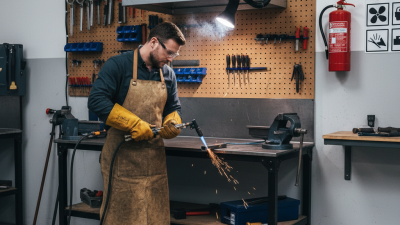
When comparing plumbing torches, safety controls deserve more attention than maximum flame temperature. A flashback arrestor helps stop a flame from traveling back through the burner, hose, or gas supply. It is essential when poor mixing, blocked tips, or unstable pressure could create a flashback.

Look for a torch with flame-failure shutoff protection. This device stops fuel flow when the flame goes out unexpectedly. That matters in windy spaces, during pressure changes, or when a flame lifts from the nozzle. Safety comes first. Before buying, check the gas type, working pressure, connection thread, and hose compatibility. Confirm that replacement parts are available in your market. A fitting that looks similar may still be unsafe.

Ask for clear test documentation from the seller or manufacturer. Independent certification is useful, but verify whether it applies to the complete torch assembly. Inspect the arrestor and shutoff mechanism for damage before each use. Keep the nozzle clean, and test the flame in a controlled area. Never treat an automatic safety device as a substitute for supervision. It is easy to trust a bright blue flame too quickly. In practice, even experienced users can miss a damaged seal or loose connection. That small oversight may deserve more attention than the torch’s advertised heating power.

10 Plumbing Torch Buying Tips for Global Buyers — Prioritize Safety: Flashback Protection and Flame-Failure Shutoff
No. Buying Dimension What to Check Safety Requirement or Practical Benchmark Verification Method Buyer Action
1 Flashback Arrestor Confirm that the torch or gas train can use a flashback arrestor suitable for the selected fuel gas and oxygen or air supply. High priority. The device should combine flame arresting capability with non-return protection where required by the installation. Review the technical datasheet, gas type, flow direction, maximum inlet pressure, connection size, and applicable certification. Specify a correctly rated arrestor for every relevant gas line; do not assume one model fits all gases.
2 Flame-Failure Shutoff Check whether the torch has an automatic shutoff that stops gas flow when the flame goes out unexpectedly. The shutoff should respond without requiring the operator to notice the flame failure first, reducing the risk of unburned gas accumulation. Request the operating principle, response behavior, reset procedure, and maintenance instructions from the supplier. Choose a torch with an automatic flame-failure device when local rules, workplace risk assessments, or the application require it.
3 Fuel Compatibility Match the torch, nozzle, hose, regulator, and seals to the intended fuel, such as propane, butane, MAPP-type fuel, or natural gas. Components must be explicitly approved for the fuel gas. Fuel systems and oxygen systems must not be interchanged. Compare the product marking with the fuel-gas compatibility table and the regulator outlet specification. State the target fuel before ordering and obtain written compatibility confirmation for any substitute gas.
4 Operating Pressure and Flow Check the required inlet pressure, gas consumption, heat output, and regulator capacity. The regulator must deliver stable pressure within the torch manufacturer’s stated operating range; excessive pressure can create unstable or hazardous operation. Compare the torch data sheet with the regulator range, cylinder valve, hose capacity, and available local gas supply. Buy the complete pressure-control set rather than selecting the torch separately from the regulator.
5 Hose and Connection Safety Inspect hose material, working pressure, temperature rating, connector type, and protection against incorrect connection. Hoses must be suitable for the gas and pressure. Connections should be secure, leak-resistant, and compliant with the destination market’s fitting system. Check hose markings, thread or quick-coupling specifications, gasket requirements, and available replacement parts. Specify country-compatible connections and avoid adapters that can create incorrect-gas or incorrect-pressure connections.
6 Leak Testing and Isolation Look for accessible gas shutoff controls and clear instructions for leak testing before use. The system should permit gas isolation at the cylinder or supply point and at the appliance. Never use a flame to check for leaks. Confirm that the instructions require an approved leak-detection solution or another non-flame testing method. Include a compatible leak-test procedure in the purchasing specification and operator training plan.
7 Heat Output and Application Fit Match the torch’s heat output and flame pattern to pipe size, soldering or brazing method, and work location. A torch should provide sufficient heat without forcing the operator to use excessive gas pressure or hold the flame too close to combustible materials. Review rated heat input, recommended pipe-size range, nozzle options, and duty-cycle information. Select interchangeable tips only when the supplier confirms that each tip is compatible with the torch and fuel.
8 Ignition and Flame Control Check for an integrated ignition system, stable pilot or main flame, flame-adjustment control, and a positive off position. Controls should be easy to operate while wearing gloves and should reduce the need to ignite the torch with an open flame. Inspect the ignition design, control labeling, flame-adjustment range, and replacement igniter availability. Prefer a design that minimizes exposed ignition sources and provides clear, repeatable flame adjustment.
9 Standards and Market Compliance Identify the safety standards, conformity documents, labeling rules, and gas-connection requirements in the destination country. Documentation should identify the applicable product category, test basis, gas types, pressure limits, and traceable model information. Request declarations, test reports, manuals, and certification records from the supplier; verify that they apply to the exact model. Use an independent conformity review for regulated markets instead of relying only on general supplier statements.
10 Maintenance and Serviceability Evaluate inspection intervals, replacement parts, cleaning requirements, and availability of flashback-arrestor or valve service components. Safety devices require inspection and replacement according to the manufacturer’s instructions; damaged hoses, seals, valves, or arrestors should not remain in service. Check the service manual, spare-part list, expected service life, warranty terms, and local technical support. Choose products with documented maintenance procedures and budget for periodic inspection and replacement parts.

Validate Total Cost: Service Life, Warranty, Spares, and Regional Support

A plumbing torch should be judged by total cost, not its opening price. Record expected service life, fuel consumption, maintenance intervals, and replacement parts before ordering. The NFPA’s Fire Loss in the United States report recorded about 1.5 million fires and 20.1 billion dollars in property damage during 2023. That figure is not torch-specific, but it reinforces a practical point: stable flame control, heat shielding, and clear operating guidance have financial value.

Warranty terms need careful reading. Check coverage length, excluded components, proof-of-purchase rules, and repair turnaround. A two-year warranty may be weak if seals and ignition parts are excluded. Ask whether spare nozzles, valves, hoses, and regulators remain available for five years. Small parts often decide whether a tool returns to work or sits on a shelf. I have seen buyers overlook this detail.

Regional support can change the real purchase price. The World Bank’s 2023 Logistics Performance Index assessed 139 economies and showed clear differences in customs, tracking, and delivery reliability. Therefore, price spare parts using local freight, duties, and realistic delivery times. Require a service contact in your region, technical documents in a usable language, and written escalation procedures. ISO 9001 certification can indicate controlled processes, but it does not prove long service life. That distinction matters. Build a simple cost model: purchase price, fuel, planned parts, downtime, shipping, and technician labor. Recheck it after twelve months. Your first estimate may be wrong.