What is a gas heater with cylinder and how does it work?
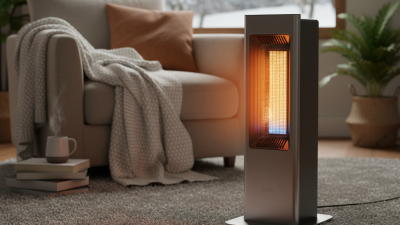
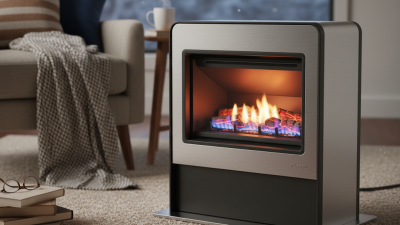
A gas heater with cylinder is a popular choice for heating spaces efficiently. These devices use propane or butane stored in a cylinder to generate heat. Their design allows for mobility and convenience, making them suitable for both indoor and outdoor use.
Understanding how a gas heater with cylinder operates is essential for safe and effective usage. The heater ignites gas from the cylinder, creating flames that warm up the surrounding air. This direct heating can produce immediate warmth, which is beneficial in colder climates. However, users should remain cautious. Proper ventilation is necessary to avoid the buildup of harmful gases.
Many people overlook maintenance, which is critical for performance. Neglecting regular checks can lead to inefficiency or even safety hazards. It is vital to monitor gas levels and inspect for leaks. Despite being an effective heating option, the gas heater with cylinder requires responsible handling and awareness of potential risks.
What is a Gas Heater with Cylinder?
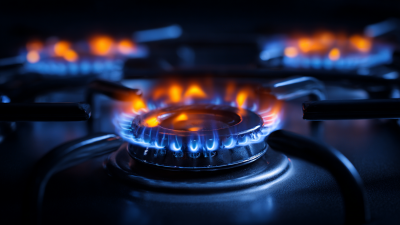
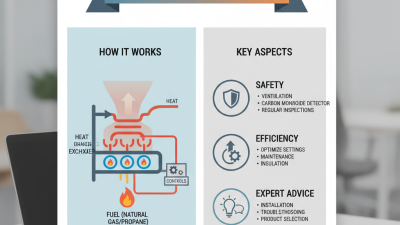
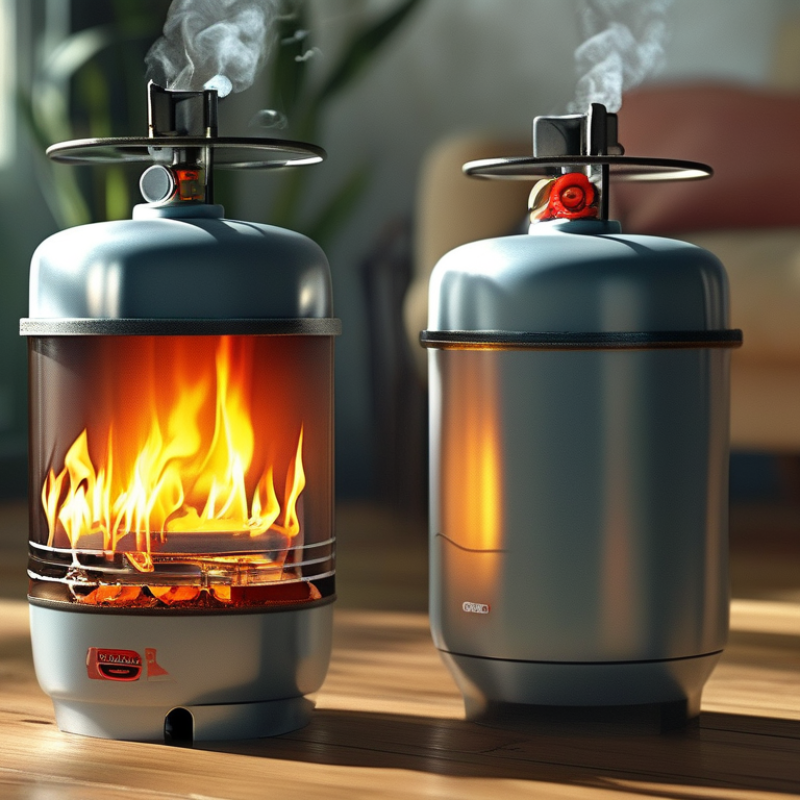
A gas heater with a cylinder is a popular choice for heating spaces efficiently. This system uses a portable cylinder filled with gas, usually propane or butane, as its fuel source. The heater is designed to burn this fuel to generate heat. When you turn it on, gas flows from the cylinder to the burner, where it ignites. The resulting flame heats up a metal exchanger, which then radiates warmth into the surrounding area.
These heaters are often used in homes or outdoor settings. They can efficiently heat up smaller spaces quickly. However, safety is a crucial consideration. Since they operate with gas, proper ventilation is essential to avoid harmful fumes. Users should also be aware of the need for regular maintenance. This ensures the gas connections are secure and the burner is working properly.
While many find gas heaters convenient, there are some challenges. Not all areas have easy access to gas cylinders. Additionally, if a user neglects safety protocols, risks may arise. It’s essential to stay informed about usage guidelines. Being cautious while enjoying the comfort of a gas heater will lead to a positive experience.
Components of a Gas Heater with Cylinder
A gas heater with a cylinder consists of several key components that work together to provide heating. The primary element is the gas cylinder, which stores the fuel needed for combustion. This cylinder requires a valve for safety, allowing users to control the gas flow. Without a reliable valve, risks increase significantly. Next is the regulator, which reduces the high-pressure gas from the cylinder to a usable level. This device must be checked regularly to ensure proper functioning.
The burner is another critical component. It mixes air with gas for efficient burning. A well-designed burner ensures complete combustion, producing heat without excessive emissions. The heat exchanger follows, transferring the heat generated by the burner to the surrounding area. If the heat exchanger is poorly designed, it can lead to energy loss and inefficiency. The ignition system ignites the gas, and its reliability is crucial. Users may face issues if the ignition system fails, leading to delays in heating.
Lastly, safety features like flame failure devices and pressure relief valves add essential protection. These components prevent accidents in case of malfunction. However, many overlook the importance of regular maintenance. Neglecting these checks can result in inefficient operation or hazardous situations. Awareness of each part’s role is vital for safe and effective use.
How Gas Heaters with Cylinders Generate Heat
Gas heaters with cylinders are efficient solutions for generating heat. These devices use a pressurized gas, typically propane or butane, stored in cylinders. When the gas is released, it flows to a burner. The burner ignites, creating a flame that produces heat. This direct heat energy can warm up spaces quickly and effectively.
The combustion process is crucial. When gas burns, it reacts with oxygen, releasing thermal energy. This heat is often distributed through a fan or convection method. As the air around the heater warms, it rises, allowing cooler air to enter and be heated in turn. This cycle continues, ensuring a consistent and comfortable temperature in the environment.
Operating a gas heater requires careful attention. Users must monitor the cylinder's gas levels regularly. This helps prevent empty tanks during use. Safety precautions are vital, as improper handling can lead to leaks or hazardous situations. Regular maintenance is also essential for optimal performance. Ensuring the burner is clean can improve efficiency and reduce risks.
What is a gas heater with cylinder and how does it work?
| Feature |
Description |
| Heating Method |
Gas combustion in a burner generates heat. |
| Gas Source |
Uses a gas cylinder filled with LPG or natural gas. |
| Efficiency Rating |
Typically ranges between 70% to 95% depending on the model. |
| Safety Features |
Includes flame failure safety devices and pressure regulators. |
| Typical Applications |
Used for heating homes, water, and outdoor spaces. |
| Maintenance Requirements |
Regular checks for leaks, and annual servicing recommended. |
| Average Cost |
Costs can vary between $100 to $800 depending on features. |
Safety Features of Gas Heaters with Cylinders
Gas heaters with cylinders provide an efficient way to heat spaces, but safety features are crucial for their operation.
One key safety component is the pressure relief valve. This device prevents gas build-up within the cylinder. If the
pressure exceeds safe limits, the valve opens, releasing gas and preventing explosions. Regular maintenance of this
valve is essential to ensure it functions correctly.
Another important feature is the flame failure device. This automatic system shuts off gas supply if the flame goes
out unexpectedly. It reduces the risk of gas leaks, making heaters safer for use. Users should check this feature
regularly, as issues can arise from wear and tear over time.
Proper ventilation is also essential while using gas heaters. Adequate airflow minimizes the risk of carbon monoxide
buildup. It’s advisable to install a carbon monoxide detector as an additional safety measure. This helps in early
detection of any gas leak, ensuring a safer environment. Regularly assessing your gas heater’s safety features offers
peace of mind while using this heating solution.
Maintenance Tips for Gas Heaters with Cylinders
Gas heaters with cylinders are popular for their efficiency and convenience. Regular maintenance is essential for safe operation and optimal performance. Reports indicate that improper maintenance can lead to 30% reduced efficiency and potential safety hazards.
Cleaning the burner regularly helps prevent soot buildup. This buildup not only decreases heat output but can also create dangerous carbon monoxide levels. According to the National Fire Protection Association, around 15,000 fires annually are attributed to poorly maintained heating appliances. Checking the gas connections and ensuring they are leak-free is crucial. A simple soap and water solution can reveal leaks that might otherwise go unnoticed.
Inspecting the cylinder itself is equally important. Ensure there are no dents or rusting, which can compromise safety. Many users overlook the importance of proper ventilation. Gas heaters require adequate airflow to function safely. Regularly check and clean air vents to avoid blockages. Not everyone follows through on these checks, and this can lead to dangerous consequences. Neglecting maintenance might save time now but can lead to significant expenses later. The cost of repairs may exceed the cost of routine maintenance, highlighting the need for a consistent upkeep schedule.