What Is a Propane Torch Used For?

A propane torch turns pressurized fuel into a focused flame for heating, soldering, loosening stubborn fasteners, and selected cooking tasks. Its small size can make the tool seem simple. The heat is not. A narrow blue flame can quickly warm copper pipe, scorch nearby wood, or ignite debris hidden beneath a workbench. Knowing what the torch is used for also means understanding where its heat travels.

Propane is familiar well beyond handheld tools. The U.S. Energy Information Administration’s 2020 Residential Energy Consumption Survey found that propane was the primary heating fuel in about 5% of U.S. homes. That figure offers useful context, but it does not measure torch use. For practical guidance, manufacturers’ instructions and established fire-safety advice matter more. A propane torch may suit small-scale heating and repair, but it is not a substitute for the right equipment or training. Keep the cylinder upright, check connections for leaks, and clear combustible materials before lighting. Ventilation matters, too. The boundary between a controlled flame and an avoidable hazard can be thinner than it looks. This guide explains common uses, suitable torch types, and basic precautions, while noting that materials and job conditions differ. No single torch fits every task.
What Is a Propane Torch Used For?

What a Propane Torch Is: Fuel, Burner, and Air-Mixing Design

What Is a Propane Torch Used For?

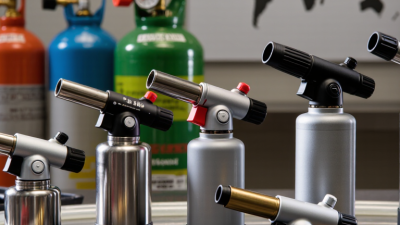
A propane torch burns fuel gas to produce a directed flame for heating, soldering, or loosening stubborn fittings. Its design is simple, but each part affects how the flame behaves. The cylinder supplies propane, usually as vapor, while a valve controls the flow. Some torch setups also use a regulator to manage pressure. Small details matter.

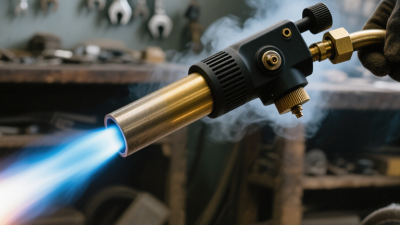
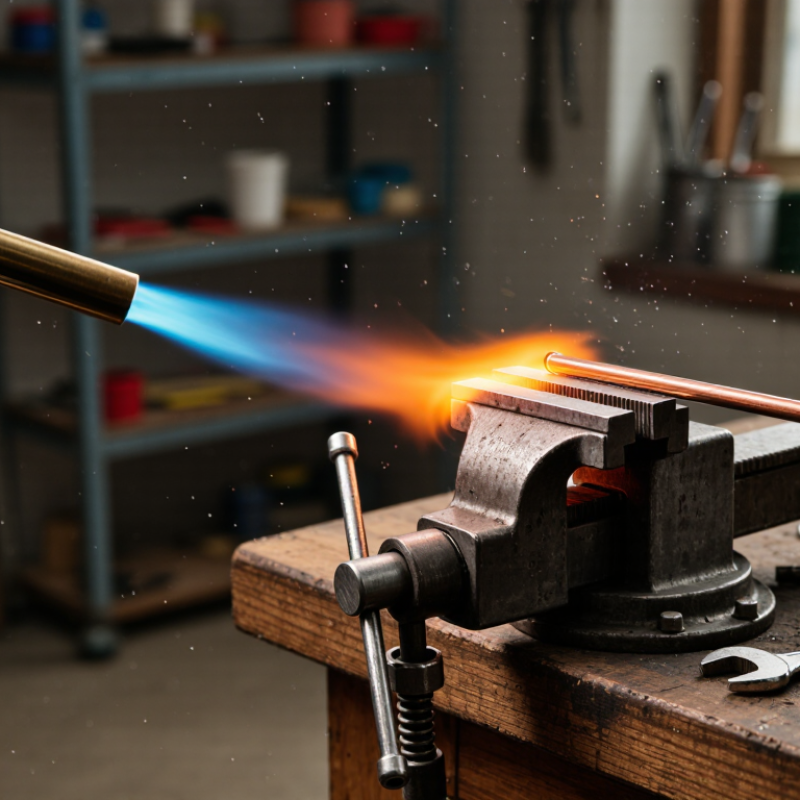
At the burner, propane meets air before or as it exits the tip. Many handheld torches draw surrounding air through openings, using the moving gas to pull air into the mixture. This is called air entrainment. The mixed gas then burns at the burner opening, creating a flame whose shape depends on the tip, fuel flow, and available air. A steady blue flame often signals cleaner combustion, though appearance alone cannot confirm safe operation. The hottest working area is generally just beyond the inner cone, not at the very tip. That takes practice.

A torch is not a precision heat source by default. Wind, clogged air openings, or a poorly seated cylinder can change its flame. Use the model’s instructions, keep the cylinder in its specified position, and work with good ventilation. Metal can stay hot after the flame is gone.

How Propane Combustion Produces an Air Flame Near 3,600°F

A propane torch burns propane (C3H8) with oxygen drawn from surrounding air. Under ideal conditions, complete combustion can produce a flame near 3,600°F (about 1,980°C). That is an approximate peak, not a temperature shared by every part of the flame. Real torches vary. Airflow, fuel pressure, nozzle design, and wind all affect flame shape and heat. A blue inner cone often signals a stable, well-mixed burn. The hottest region is generally just beyond its tip, not across the entire visible flame. That distinction matters.

Propane torches are used to heat metal, soften solder, loosen fittings, and brown food with suitable equipment. Yet flame temperature is not the object’s temperature. Heat transfer depends on distance, exposure time, and material thickness; thin copper warms faster than heavy steel. It is tempting to treat 3,600°F as a dependable setting. It is not. Results shift with technique and conditions, and flame color alone cannot reliably measure heat. Use adequate ventilation, keep the flame away from combustible materials, and wear eye and hand protection. Metal can look cool before it is safe to touch.

Where Torches Are Used: Soldering, Heating, Cooking, and Weed Control

A propane torch turns fuel into focused heat for small, practical jobs. During soldering, plumbers warm copper fittings evenly until solder flows into the joint; the flame should heat the metal, not burn nearby insulation. The U.S. Department of Energy’s Alternative Fuels Data Center lists propane’s energy content at about 91,500 Btu per gallon. That figure describes the fuel, not a torch’s actual output, which varies with its design and setting. Small flame, real risk.

For heating, a torch can loosen a stubborn metal fastener or soften material made for controlled heat. Keep the flame moving, wear eye protection, and clear away combustible items. Never use a torch to thaw pipes that may contain water under pressure. For cooking, a food-rated torch can brown a dessert topping or blister a pepper. Use it in a ventilated area, and keep the flame away from food packaging. Soot can appear when combustion is poor, so check the flame and stop if it leaves residue.

Gardeners sometimes use a torch for spot weed control, heating young weeds until their leaves wilt rather than burning them to ash. This works best on isolated weeds and nonflammable ground. Dry leaves, mulch, and windy conditions make the task riskier. USDA natural-resource guidance on prescribed fire stresses planning around fuel and weather; the same caution matters on a much smaller scale. I’d still choose hand-pulling near dry vegetation. A small torch is easy to underestimate.

What Is a Propane Torch Used For?

Typical temperature benchmarks for soldering, heating, cooking, and weed control

These ranges are practical reference points, not the torch flame temperature or fixed requirements. Actual temperatures vary with the material, torch, and technique. For weed control, brief heating damages leaf tissue; the goal is not to burn the plant.

Choosing a Torch by Tip, Fuel Rate, and Propane’s ~91,500 Btu per Gallon

A propane torch is used for focused heating, including soldering copper pipe, loosening stubborn fasteners, and warming metal for small repair jobs. The tip shapes the flame: a narrow tip concentrates heat on a small joint, while a broader flame heats a larger surface. Match the tip to the task, not just the torch body. A flame that is too wide can scorch nearby material.

Fuel rate helps estimate working time. The U.S. Energy Information Administration lists propane at about 91,500 Btu per gallon. If a torch consumes 0.1 gallon per hour, its fuel input is roughly 9,150 Btu per hour. Check the torch’s stated consumption; actual use changes with flame setting, wind, and heating time. This is an energy estimate, not a promise of useful heat delivered. Some energy escapes into the air. That distinction is easy to overlook.

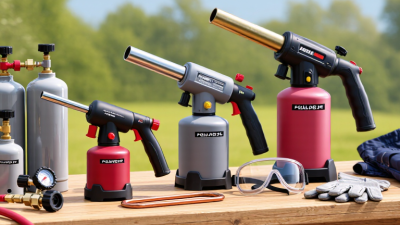
Tips: Use the smallest tip that heats the work evenly, and keep the cylinder upright in a ventilated area. Practice on scrap material first. A little patience helps.

Safe Use: Leak Checks, Ventilation, Cylinder Handling, and Fire Control

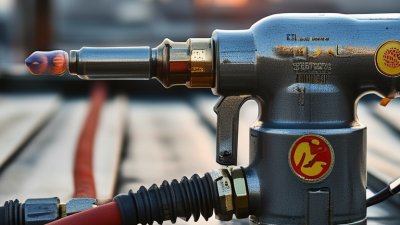
A propane torch can loosen a stubborn bolt, warm a metal fitting, or help with small outdoor repairs. Its flame is concentrated, but the cylinder and hose need attention before lighting. Check the hose for cracks, stiffness, or worn spots. Look closely at each connection.

Use leak-detection solution on the connections and follow the torch maker’s lighting instructions. Open the cylinder valve only as directed. Bubbles mean a leak. Stop there. Close the valve, keep the torch unlit, and repair or replace faulty parts before use. Never check for leaks with a flame. A quick glance can miss damage, so take a moment in good light.

Work outdoors whenever possible, away from dry leaves, fuel, and open windows. Propane produces carbon monoxide as it burns, so ventilation matters. Keep the cylinder upright and stable, with its valve away from heat. Do not drag it by the hose. Keep a suitable fire extinguisher nearby, and know how to shut off the fuel. If a flame behaves oddly or wind pushes it toward nearby materials, turn the torch off and let hot parts cool. I sometimes underestimate how fast metal stays hot. Don’t touch it yet.