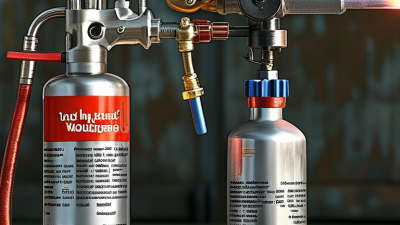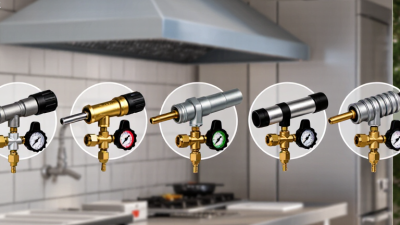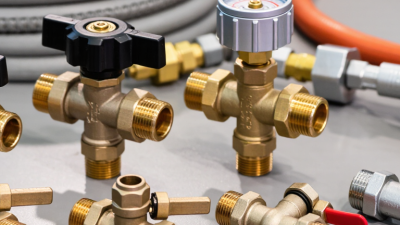
Sourcing a safe benzo torch globally requires more than comparing prices and product photos. Buyers should verify the manufacturer, intended use, materials, flame-control design, and after-sales support. A responsible supplier can provide test reports, batch records, warranty terms, and clear operating instructions. Look for stable ignition, a protected fuel valve, heat-resistant components, and packaging that prevents accidental activation during transport. Details matter. A loose cap can become a serious risk.
Trevor Kletz, a respected process-safety expert, wrote, “If you think safety is expensive, try ignorance.” That principle remains valuable for the benzo torch industry. A low-cost unit may hide weak seals, inconsistent assembly, or missing compliance documents. Importers should check applicable product, labeling, customs, and fuel-handling requirements in every destination market. Independent laboratory testing can add confidence, but certificates must match the exact model and production batch. Supplier audits also reveal practical conditions, such as crowded storage areas or unlabeled cartons.
No checklist is perfect. I would not pretend otherwise. Even a reputable factory can change materials without notice. Therefore, buyers should request written change-control procedures and inspect samples before larger orders. Photos help, but physical inspection tells more. A safe global sourcing process protects users, distributors, and brand reputation while supporting lawful culinary, craft, and professional applications. Reliability is built through evidence, not confident promises.
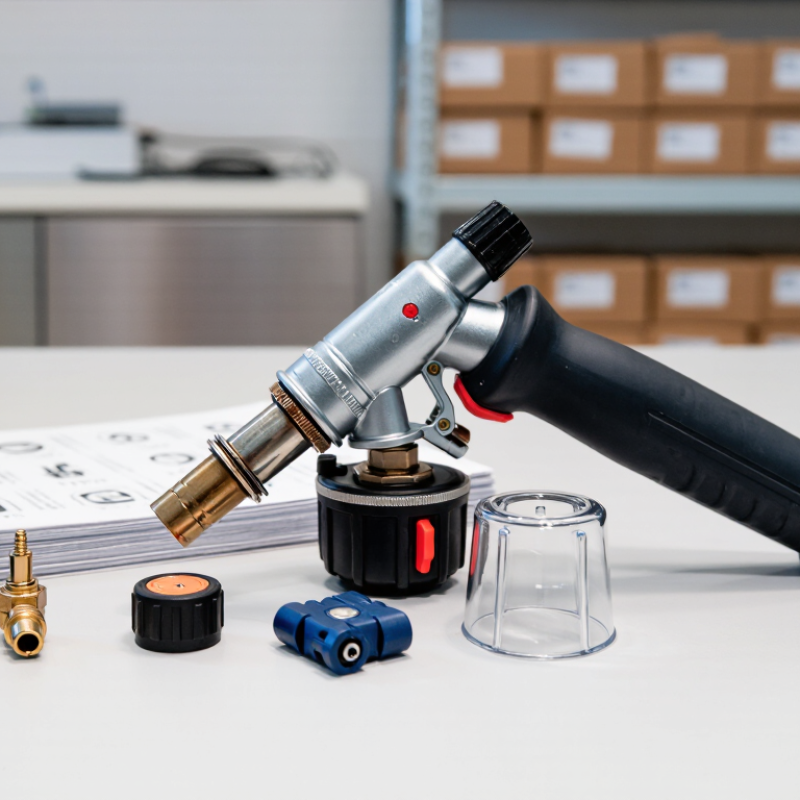
A “benzo torch” generally refers to a compact, refillable butane torch. The term is not fully standardized, so buyers should confirm the product’s exact design and fuel type. Its intended legal use may include caramelizing food, lighting approved outdoor equipment, or completing small workshop tasks. It should be treated as a high-temperature tool, not a casual lighter.
A reliable global sourcing process starts with documentation. Look for clear operating instructions, child-safety features, leak-testing information, and materials suitable for heat exposure. Ask the seller for independent safety certifications and a current product specification sheet. Check whether the torch accepts commonly available fuel in your destination market. Customs rules, shipping limits, and fuel restrictions can differ widely. A product may appear compliant online, yet fail local requirements. I have found that vague listings deserve extra caution.
Tips: Confirm the seller’s address and warranty terms. Request photos of the valve, ignition switch, and safety lock. Avoid listings with unclear fuel instructions or exaggerated temperature claims. Before regular use, test the torch outdoors in a ventilated area. Keep it away from children, fabrics, and combustible surfaces. Read local guidance before importing multiple units. Even careful buyers can overlook small details. That is why a second review helps.
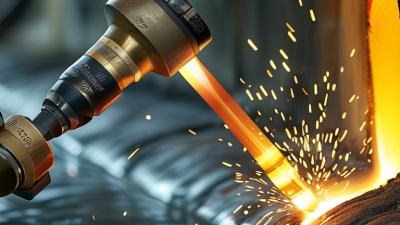
Sourcing a safe benzo torch globally starts with a clear, lawful use case. Define whether it supports culinary, laboratory, maintenance, or craft work. Do not accept vague descriptions. Require the supplier to identify fuel type, operating pressure, flame temperature, materials, and intended environment. A practical specification should cover leak resistance, stable ignition, heat shielding, automatic shutoff, and child-resistant controls. Small design details matter.
Quality evidence should be verifiable. Request test reports, batch records, material declarations, user instructions, and a current safety data sheet for the fuel system. Check whether testing matches the destination market, not only the factory’s country. Confirm applicable transport, labeling, packaging, and consumer-product rules with a qualified local compliance professional. Requirements may differ between countries and even between regions. That part is easy to underestimate.
Tips: Ask for independent samples before placing a large order. Inspect seals, valves, threads, and the ignition button physically. Run controlled leak and stability checks outdoors, following the approved test procedure. Record serial numbers and defects. If the supplier refuses traceability, pause the purchase. A low price can hide weak controls. I would also review complaint data and recall records, although these records may be incomplete. Never rely on photographs alone. Choose documentation over confident promises, and keep the final decision tied to safety, quality, and legal use.
Higher vapor pressure increases the need for robust valve sealing, leak testing, pressure-resistant components, protected storage, and controlled transport. The values shown are approximate reference properties for pure gases at 20°C and are not product acceptance limits.
Global sourcing should verify the applicable Safety Data Sheet, UN transport classification, ISO 9994 lighter-safety requirements, child-resistance requirements where applicable, traceable batch inspection, leak and flame-performance testing, and country-specific import rules before shipment.
Reference framework: ISO 9994:2018, EN 13869, UN Model Regulations, and representative technical data for liquefied petroleum gases. Actual fuel mixtures require supplier-specific SDS verification.
Sourcing a safe benzo torch globally starts with supplier verification, not attractive pricing.
Treat the product as a legal refillable butane torch for cooking or authorized industrial work. Ask for the factory address, ownership details, production capacity, and recent inspection records. A trading company may be legitimate, but its factory documents must match the actual manufacturer.
Request test evidence against ISO 9994 and relevant local safety requirements. Check flame stability, leak resistance, child-resistance features, ignition durability, and fuel compatibility.
NFPA’s Fire Loss in the United States During 2023 recorded 1,388,500 fires and 3,670 civilian deaths. That figure is broader than torch incidents, yet it shows why flame-control testing matters. Request batch-level inspection reports, not one old certificate.
Use independent audits before placing a large order.
Verify traceability, worker safety, quality controls, packaging warnings, and recall procedures. The EU Safety Gate report for 2023 listed 3,412 product alerts, showing how quickly unsafe goods can move across borders. Certificates are not enough. They can expire. Sample products from different cartons and test them independently.
I would also confirm transport rules for pressurized fuel products before shipment. One overlooked detail can stop a container. A practical weakness remains: remote audits may miss subcontractors.
Keep purchase volumes modest until repeated batches perform consistently. Supplier communication matters too. Clear answers, stable records, and willingness to disclose failures are stronger trust signals than polished brochures.
When sourcing a benzo torch for lawful, controlled applications, product testing should come before price. Request a complete test report for the exact model, not a similar unit. Look for leak testing, pressure testing, drop testing, ignition-cycle results, and heat-resistance checks. An independent laboratory accredited to ISO/IEC 17025 provides stronger evidence than an internal factory statement. Check the report number, testing date, laboratory address, and model identifier.
Material verification matters at close range. The body should have a clear alloy or stainless-steel specification. Ask for documentation covering fuel-contact parts, seals, valves, and heat shields. These components need reliable temperature and chemical resistance. Avoid vague terms such as “premium metal.” They sound reassuring but prove little. Request declarations for restricted substances, including lead, cadmium, and other regulated chemicals. A supplier should also explain fuel compatibility and storage limits without encouraging unsafe modifications.
Certifications must match the destination market. Confirm the relevant conformity mark, electrical documentation where applicable, and child-safety requirements. Do not trust printed logos alone. Search the certificate through the issuing organization when possible. I would also order a small sample batch and inspect valve movement, flame stability, packaging damage, and warning labels. Documentation can be outdated. My own checks can be incomplete, too. That is why traceable records, independent testing, and a responsive supplier matter more than polished product photographs.
Global sourcing starts with a precise product description. “Benzo torch” can create confusion, so specify a legal butane culinary or utility torch. Request its fuel type, ignition method, safety lock, flame-adjustment range, and testing documents. A clear specification reduces customs questions and prevents unsuitable shipments.
Import rules differ sharply. Check the destination’s customs authority and carrier before payment. Pressurized fuel containers may require dangerous-goods handling, while empty torches can follow different procedures. IATA’s 2024 air-cargo data recorded an 11.3% rise in global demand, showing why carrier capacity and compliance checks matter. UNCTAD’s Review of Maritime Transport 2024 also reported maritime trade growth after a difficult year. Delays remain possible. Ask for the HS code, export paperwork, packaging standard, and tracking method. Do not rely only on a marketplace message.
Post-purchase support is part of product safety. The seller should provide an English manual, refill guidance, inspection advice, and a reachable service channel. The World Bank’s Logistics Performance Index highlights tracking, customs, and delivery reliability as core logistics measures. Those details matter when a parcel arrives damaged or incomplete. Photograph the package immediately. Test only as instructed, in a ventilated area, away from children and ignition sources. A polished listing is not proof of quality. I still verify documents twice, because product pages can be incomplete. A low price may hide weak support, unclear returns, or unavailable replacement parts.
| Evaluation Dimension | Global Requirement or Checkpoint | Why It Matters | Evidence to Request | Risk Level |
|---|---|---|---|---|
| Product classification | Confirm whether the item is an empty torch lighter, a fuel-filled lighter, a refill cartridge, or a separate ignition device. Classification can change by destination and carrier. | Incorrect classification may cause customs delays, carrier rejection, seizure, or additional dangerous-goods requirements. | Commercial invoice, product description, technical specification, tariff classification proposed by the seller, and safety data where applicable. | High |
| Fuel status | Prefer shipment of an empty device unless the destination, carrier, and transport mode expressly permit fuel-filled products. Butane and other liquefied gases are commonly regulated as dangerous goods. | Pressurized fuel can create fire, explosion, and leakage hazards during air or ground transport. | Written confirmation of fuel status, packaging method, dangerous-goods classification, and carrier acceptance. | High |
| Ignition safety | Check for a stable ignition mechanism, flame control, automatic shut-off when the trigger is released, and protection against accidental activation. | These features reduce unintended ignition, burns, and fire risk during use or storage. | Clear operating instructions, product photographs, test reports, and a written description of safety functions. | Medium |
| Child-resistance | For sales into the United States, determine whether the product falls within lighter categories covered by applicable child-resistance rules, including 16 CFR Part 1210 where relevant. | Non-compliant lighters may be refused by distributors, recalled, or stopped by regulators. | Applicable test report, conformity documentation, packaging images, and destination-specific compliance statement. | High |
| Materials and construction | Verify heat-resistant components, secure fuel connections, a protected nozzle, corrosion-resistant parts, and no sharp edges or loose components. | Poor construction can cause fuel leakage, unstable flames, overheating, or mechanical failure. | Material specification, batch inspection record, leakage test results, and independent pre-shipment inspection. | Medium |
| Import documentation | Use an accurate invoice, packing list, country of origin, customs value, product description, and any required conformity or safety documents. | Complete and truthful documents support customs clearance and reduce classification disputes. | Invoice, packing list, origin statement, tariff code confirmation, and import permit if the destination authority requires one. | Medium |
| Air-shipping restrictions | Do not assume postal or express-air eligibility. Fuel-filled lighters, refill gas, and pressurized containers may be restricted under carrier and dangerous-goods rules. | A package can be returned, destroyed, or delayed if it is tendered without prior approval. | Carrier acceptance in writing, approved packaging details, transport-mode confirmation, and tracking terms. | High |
| Packaging quality | Use protective inner packaging, secure the trigger, prevent movement, and separate accessories or spare parts that could activate the device. | Proper packaging reduces accidental ignition, impact damage, leakage, and returns. | Packaging specification, drop-test information, photographs of packed cartons, and inspection checklist. | Medium |
| Destination-market rules | Check the current rules of the destination customs authority, consumer-product regulator, postal service, and selected carrier before ordering. | Requirements differ by country, product type, fuel status, age restrictions, labeling, and intended use. | A destination-specific compliance review completed by the importer or a qualified customs professional. | High |
| Labeling and instructions | Provide durable warnings, safe-use instructions, fuel information, storage guidance, and disposal instructions in the language required by the destination market. | Clear labeling helps users avoid burns, fire, misuse, and unsafe refilling practices. | Final label artwork, translated manual, warning review, and packaging compliance approval. | Medium |
| Supplier quality control | Use a documented inspection plan covering ignition, flame stability, shut-off performance, leakage, appearance, packaging, and sample traceability. | Batch-level testing is more reliable than relying only on product photographs or seller descriptions. | Pre-production sample, approved reference sample, batch test report, defect limits, and inspection records. | Medium |
| Warranty and returns | Confirm warranty duration, covered defects, return address, shipping-cost responsibility, and procedures for defective or leaking products. | Dangerous-goods restrictions can make ordinary returns unavailable or expensive. | Written warranty, return policy, escalation contact, replacement terms, and approved return-shipping method. | Medium |
| Post-purchase support | Select a supplier that provides troubleshooting, spare-part availability, safe-use guidance, incident reporting, and recall communication. | Prompt support can prevent unsafe repairs and help isolate defective batches. | Support response-time commitment, service procedure, parts list, product serial or batch system, and recall process. | Medium |
| Payment and trade terms | Use documented purchase terms that define inspection rights, delivery responsibilities, customs charges, insurance, and remedies for non-compliance. | Clear terms reduce disputes when customs, carriers, or inspection agencies reject a shipment. | Purchase agreement, pro forma invoice, Incoterms® selection, insurance terms, and dispute-resolution clause. | Medium |
Important: Import, consumer-safety, customs, and dangerous-goods requirements are destination- and product-specific. Confirm the current rules with the destination customs authority, the carrier, and a qualified compliance professional before placing an order. Never ship or use a fuel-filled torch unless the applicable transport and safety requirements have been verified.