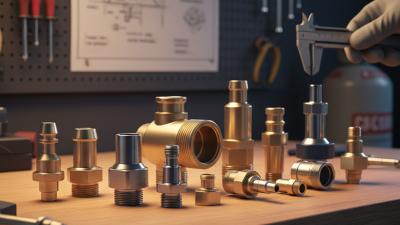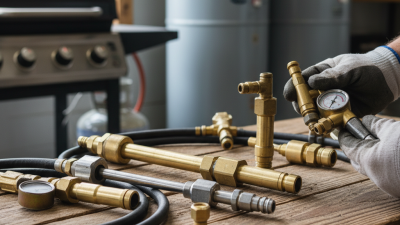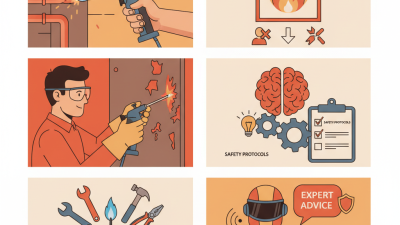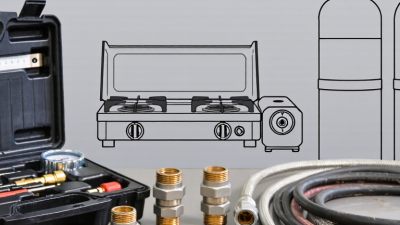
Choosing the right propane nozzle in 2026 requires more than matching a part by appearance. A nozzle that looks correct may deliver the wrong fuel flow, pressure, or flame pattern. That mistake can cause poor combustion, uneven heating, or equipment damage. Fit matters.
This guide explains how to compare nozzle size, thread type, material, sealing method, and appliance compatibility. Manufacturer specifications should remain the primary reference. Local safety requirements also matter, because approved components can differ between regions. A qualified technician should verify the installation when gas connections or burner adjustments are involved.
Real-world inspection adds useful detail. Check the nozzle under bright light. Look for damaged threads, blocked openings, corrosion, or a worn sealing surface. Small details matter. The correct propane nozzle should sit securely and align with the burner without force. Never enlarge an opening or rely on guesswork to correct a poor fit.
Even experienced users can make assumptions. A familiar appliance model may have different burner settings across production years. That makes the label, service manual, and original part number especially valuable. I also recognize a limitation: visual checks cannot confirm every pressure or combustion issue. Testing may still be necessary.
The sections ahead will help readers make a safer, better-informed choice. They will focus on practical compatibility, reliable measurements, and signs that professional advice is needed. A nozzle is small, but its role is precise.
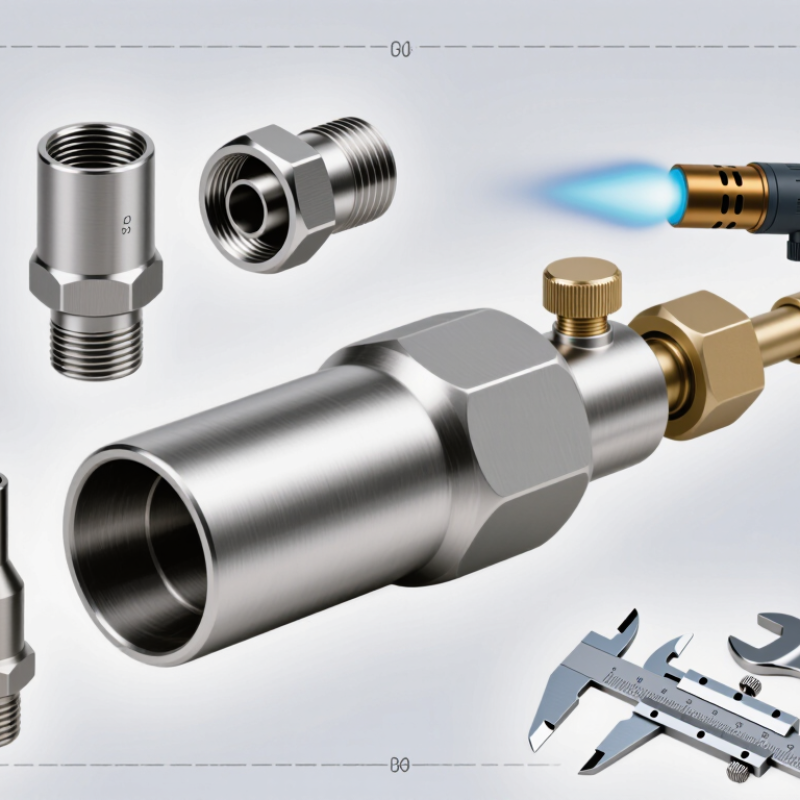
A propane nozzle is a small, calibrated opening inside a gas burner assembly. It controls how much vaporized propane enters the combustion zone. As gas passes through the orifice, it creates a pressure drop. This draws in combustion air through the burner’s venturi. The mixture then travels toward the flame ports and ignites.
Small hole. Big effect. A nozzle that is too large can produce a yellow flame, soot, and excessive heat. A smaller opening may cause weak flames, delayed ignition, or unstable operation. The World LPG Association’s 2024 Statistical Review reports global LPG demand at approximately 331 million tonnes in 2023. That scale reflects extensive equipment use, but it does not make nozzle selection universal. Appliance input rating, supply pressure, altitude, thread type, and orifice diameter still matter.
When choosing a propane nozzle in 2026, match the opening to the appliance’s stated BTU or kilowatt requirement. Do not rely on appearance alone. A clean-looking nozzle can still have the wrong bore or damaged threads. The U.S. Energy Information Administration reports seasonal propane inventory changes before and during winter demand. Pressure conditions can therefore vary across installations. NFPA 58 also emphasizes correct propane-system design, installation, and inspection practices. I still recheck measurements twice, because a tiny sizing error can affect the entire flame pattern. A qualified technician should verify combustion performance after replacement.
A propane nozzle controls gas flow through a small orifice. When inlet pressure, gas temperature, and discharge conditions remain constant, the theoretical flow capacity is approximately proportional to the nozzle opening area, so increasing the diameter increases flow by the square of the diameter.
Reading the chart: The relative flow index uses a 0.50 mm nozzle as the reference value of 100. The index is calculated from the orifice-area relationship: Flow Index = (Nozzle Diameter ÷ 0.50)² × 100. These values show comparative capacity only; the correct nozzle must also match the appliance heat input, approved gas pressure, propane specification, and manufacturer instructions.
Matching a propane nozzle to an appliance starts with the appliance data plate. Check the fuel type, required pressure, and input rating in BTU per hour. The service manual should confirm the correct nozzle size and designation. Do not choose a nozzle by appearance alone. Two brass nozzles may look identical but deliver different gas volumes.
A larger opening does not automatically provide better performance. It can create an unstable flame, soot, overheating, or delayed ignition. A smaller opening may cause weak heating and poor operation. Measure carefully, but never drill or enlarge an existing nozzle. Use the specified replacement part for the appliance’s gas pressure and altitude conditions. High-altitude installations may require different sizing.
Turn off the gas supply before inspection. Let the appliance cool completely. After installation, a qualified technician should check for leaks with an approved leak-detection method and verify flame quality.
The flame should generally burn steadily and evenly, without heavy yellow tips or unusual noise. Local requirements may also affect the installation.
A common mistake is trusting online size charts without checking the appliance manual. Charts can be useful, but they are not universal. Record the old nozzle marking, appliance model information, and measured operating pressure. Then compare those details with current technical documentation. I would recheck this information twice, especially after converting an appliance between approved fuel types. Small details matter.
How to Choose the Right Propane Nozzle in 2026?
Which Materials and Designs Suit Different Propane Systems
Choosing a propane nozzle starts with the appliance, not its appearance. The nozzle must match the system’s gas pressure, heat output, and connection size. Fit matters more than shine. A nozzle for a low-pressure heater may perform poorly in a high-output cooking system. Always check the appliance manual and technical data before replacing parts.
Brass remains common because it machines accurately and resists ordinary corrosion. Stainless steel suits hotter environments or areas with moisture and repeated cleaning. Soft alloys can wear around the orifice, changing the flame pattern over time. A polished surface proves little. Thread quality, orifice precision, and heat resistance matter more. In service work, even a tiny burr has caused uneven flames and wasted fuel.
Design also affects performance. A fixed orifice offers stable metering when the system pressure stays consistent. Adjustable designs may suit specialized equipment, but they require careful calibration. Look for the correct input rating, thread standard, flame shape, and air-shutter compatibility. Never enlarge an orifice with a drill or needle. That shortcut can create unsafe combustion. After installation, a qualified technician should check for leaks and observe the flame. A steady blue flame is usually encouraging; yellow tips, soot, lifting, or popping need attention. Selection is not always perfect on the first attempt. Real conditions, such as altitude or corrosion, may require a second inspection.
Choosing a propane nozzle starts with the appliance’s required pressure, not its appearance. Check the rating plate or service manual for the specified inlet pressure. Many appliances use low-pressure propane, but the exact value can differ. Never assume a familiar setting is suitable. A qualified technician should verify pressure with a calibrated manometer.
Flow rate matters because the nozzle must deliver enough gas for the appliance’s heat input. Compare the nozzle’s rated capacity with the appliance’s BTU per hour requirement. A nozzle that is too small may cause weak flames and poor performance. One that is too large can create unsafe combustion.
Do not enlarge an orifice with a drill. That shortcut changes its calibrated flow and can be difficult to reverse.
Connection compatibility involves more than matching thread size. Confirm the gas type, thread standard, sealing method, nozzle length, and seating depth. A fitting may screw in while still sealing incorrectly. I have seen thread size treated as the whole answer; it is not.
Shut off the supply before inspection, and follow the appliance maker’s specifications. After installation, a trained professional should perform a leak check with an approved solution, never an open flame.
If the flame pattern looks unusual, stop using the appliance and reassess the pressure, flow, and connection together.
Choosing the right propane nozzle in 2026 starts with compatibility, not appearance. Check the appliance manual for gas type, operating pressure, nozzle size, thread pattern, and altitude requirements. A nozzle that looks correct may still produce an unsafe flame. When specifications are unclear, ask a licensed gas technician to verify them.
Turn off the propane supply and let the appliance cool completely. Disconnect power if ignition uses electricity. Remove the old nozzle with the correct tool, then inspect the threads and burner opening for damage. Install the replacement gently. Do not force it. Use only approved sealing methods, and never allow sealant to enter the small orifice. The easy mistake is overtightening.
Test carefully.
Open the supply valve slowly. Apply approved leak-detection solution around every connection and watch for growing bubbles. Never use a flame for testing. A qualified technician should check operating pressure with suitable equipment. During ignition, the flame should remain mostly blue, steady, and properly positioned. Yellow flames, soot, unusual noise, or propane odor require immediate shutdown and professional inspection. For maintenance, keep the nozzle dry and free from grease. Clean nearby burner parts with a soft brush, never enlarge the opening with wire, and replace corroded parts. I still recheck connections after servicing; small fittings deserve serious attention. Install and maintain carbon monoxide alarms as an added safeguard.
| Stage | What to Check | Reliable Reference Data | Recommended Safe Action | Do Not Do This |
|---|---|---|---|---|
| 1. Identify the Part | Nozzle, injector, or burner orifice | A propane nozzle is normally a precisely drilled orifice that meters gas into a burner. It is not the same as a hose connector, regulator, or cylinder valve. | Photograph the existing part and record its thread, overall length, head shape, and stamped marking before removal. | Do not select a nozzle by appearance alone. Similar-looking parts may have different gas flow rates or threads. |
| 2. Confirm the Fuel | Propane versus natural gas | Propane and natural gas require different orifice sizes because their pressure, density, and heating characteristics differ. A natural-gas orifice is not automatically suitable for propane. | Confirm that the appliance is approved for propane vapor and that the replacement nozzle is specifically rated for the same fuel. | Never connect a propane appliance to natural gas, or natural-gas equipment to propane, without an approved conversion procedure. |
| 3. Verify Gas Pressure | Regulator outlet pressure | Many low-pressure propane appliances operate near 10–11 inches water column, approximately 0.36–0.40 psi or 2.5–2.7 kPa. Portable high-pressure devices can use different pressures. | Use the pressure specified on the appliance data plate or in its instructions. Measure pressure only with suitable equipment and the correct test point. | Do not assume that every propane cylinder or regulator supplies the same pressure. Excess pressure can create an unsafe flame and excess heat. |
| 4. Match Heat Input | Burner rating and required output | The correct nozzle must support the burner’s specified input, commonly stated in BTU/h or kW. For the same gas and pressure, gas flow changes approximately with the square of orifice diameter. | Match the nozzle to the exact burner position and rated input. Use manufacturer-approved specifications rather than estimating from hole diameter. | A larger hole does not simply mean “more efficient.” It can cause over-firing, soot, flame instability, or dangerous combustion. |
| 5. Check Size and Thread | Orifice diameter, thread, and seating | Common appliance orifices may have openings roughly from 0.5 mm to 1.1 mm, but actual sizes vary substantially by burner rating, gas pressure, and appliance design. | Confirm the exact diameter, thread specification, sealing shoulder, and burner position. Replace damaged sealing surfaces and use the specified tool. | Do not enlarge an orifice with a drill, needle, or wire. Do not force a mismatched thread into the burner assembly. |
| 6. Prepare for Installation | Isolation and cooling | Propane vapor is highly flammable. Its vapor is heavier than air and can collect in low areas if released. | Turn off the appliance, close the cylinder or supply valve, disconnect electrical ignition if applicable, ventilate the area, and allow hot components to cool. | Do not work near flames, sparks, cigarettes, running engines, or enclosed low-level spaces where gas could accumulate. |
| 7. Install the Nozzle | Correct seating and alignment | The nozzle must be centered with the burner’s air-shutter and mixing path. The orifice opening must remain clean and unobstructed. | Remove the old part carefully, install the approved replacement without cross-threading, tighten according to the appliance instructions, and reinstall the burner cap or tube correctly. | Do not use excessive force, sealant, tape, or thread compounds unless the appliance instructions specifically require them for that connection. |
| 8. Perform a Leak Test | Connections and fittings | A leak test should be performed whenever a gas connection is disturbed. A leak is indicated by growing bubbles in an approved leak-detection solution. | Open the supply valve slowly, apply leak-detection solution to the disturbed connections, and watch for bubbles. If bubbles appear, close the supply and correct the connection before use. | Never use a flame, match, lighter, or spark to search for a propane leak. Never operate equipment with a confirmed leak. |
| 9. Test the Flame | Flame color, stability, and burner behavior | A properly adjusted propane burner generally produces a stable predominantly blue flame. Persistent yellow flames, lifting, flashback, or soot indicate a problem. | Ignite only according to the appliance instructions. Observe the flame at low and high settings and verify that it remains stable without unusual noise or odor. | Turn off the appliance immediately if the flame is unstable, strongly yellow, produces soot, or burns outside the burner ports. |
| 10. Maintain the Nozzle | Cleanliness and condition | Dust, grease, spider webs, corrosion, and debris can restrict the air-gas mixture or obstruct burner ports. A nozzle opening must retain its original calibrated size. | Inspect before seasonal use and after storage. Clean the burner area as instructed, keep the nozzle dry, and replace damaged or corroded parts with approved replacements. | Do not scrape, drill, ream, or insert hard objects into the calibrated opening. Do not use a damaged nozzle as a temporary repair. |
| 11. Schedule Professional Service | Conversion, abnormal operation, or repeated faults | Gas conversion, regulator adjustment, pressure testing, combustion analysis, and repairs involving valves or control systems require appropriate competence and equipment. | Contact a qualified gas technician when specifications are missing, the appliance has been converted, pressure is uncertain, or the flame remains abnormal after basic checks. | Do not bypass safety controls, modify the regulator, or continue operating an appliance that repeatedly shows leakage or combustion problems. |