What Are the Best LPG Hoses for 2026?
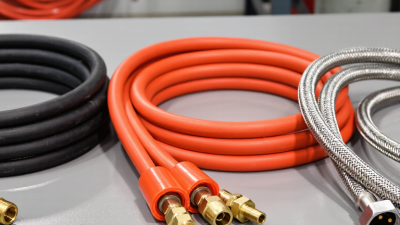
Choosing the best lpg hoses for 2026 is not just a matter of picking the thickest rubber or the lowest price. A hose must match its gas, working pressure, temperature range, fittings, and intended installation. Small details matter: a stamped pressure rating, a secure crimp, and a hose that stays flexible in cold weather can make a real difference during routine use.
Industry data helps explain why dependable equipment matters. The World LPG Association’s Statistical Review of Global LPG 2024 reports worldwide LPG demand at about 362 million tonnes in 2023, underscoring the fuel’s broad use across homes, businesses, and industry. The U.S. Energy Information Administration’s State Energy Data System also tracks propane consumption by state, providing useful context for varied climates and applications. These sources describe fuel markets, not hose performance, so they cannot identify a single best product. That distinction matters.
This guide compares hose types, materials, pressure ratings, connection options, and manufacturer documentation. It also considers practical checks, such as looking for legible markings and inspecting for cracks or bulges. Standards and product approvals vary by market, so buyers should verify the requirements that apply to their installation. A tidy comparison still has limits: brand claims can be difficult to assess without consistent independent testing. We will flag that uncertainty rather than pretend every ranking is definitive.
How LPG Hoses Work and Where They Are Used
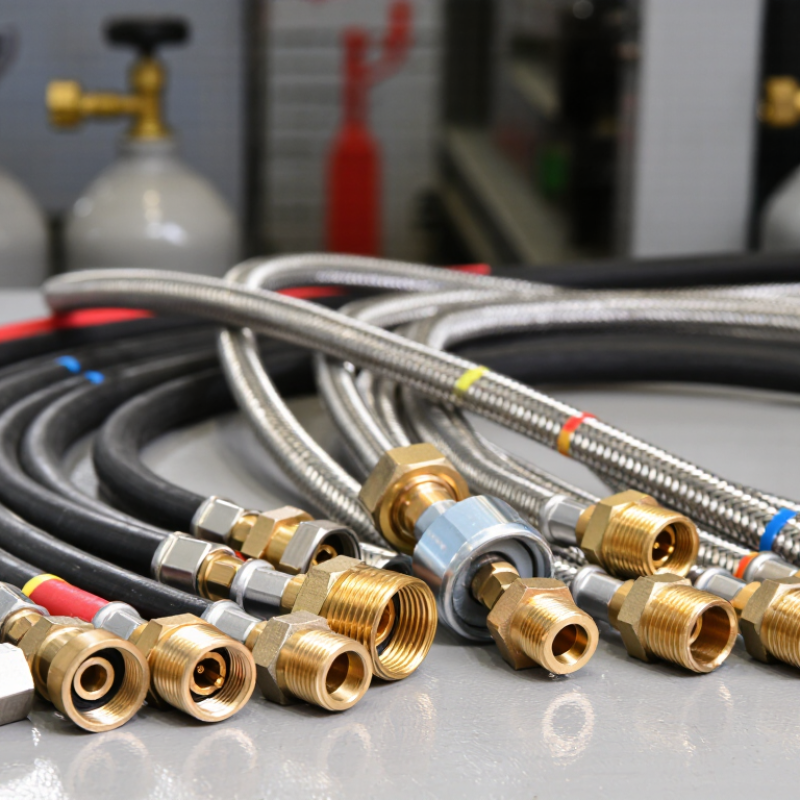
LPG hoses carry propane, butane, or their blends between a cylinder, regulator, and appliance. Their inner tube resists the fuel, while reinforcement helps contain operating pressure. At the appliance end, the regulator typically lowers pressure to the level specified for that equipment. Some systems convey vapor; transfer systems may handle liquid LPG, so their hoses are not interchangeable. The distinction matters.
Hoses are used with cooking appliances, heaters, commercial kitchens, forklifts, and bulk-storage equipment. The World LPG Association’s 2024 Statistical Review estimates global LPG demand reached about 367 million tonnes in 2023. That scale means hoses serve very different duty cycles, from a patio cooker to frequent industrial use. In practice, abrasion, heat, tight bends, and aging can shorten service life. Damage is not always obvious beneath a clamp.
Tips: Match the hose to the fuel phase, pressure, temperature, fittings, and appliance instructions. Inspect for cracks, bulges, stiffness, or loose connections; replace damaged assemblies rather than patching them. Keep hoses clear of hot surfaces and sharp edges. A quick visual check helps, but it cannot confirm internal condition or suitability.
Materials, Layers, and Pressure Ratings in LPG Hoses
For LPG service, the inner tube must resist contact with liquefied petroleum gas and remain flexible across its rated temperature range. Synthetic rubber is common, while some hoses use engineered thermoplastic materials. The exact compound matters more than a smooth, glossy surface. A hose that feels supple in a warm shop may stiffen outdoors in cold weather. Small details matter.
Many LPG hoses have several layers. The inner tube contains the gas; textile braid or wire reinforcement helps resist pressure; and the outer cover protects against sunlight, abrasion, and moisture. Not just color. Look for clear markings that identify the hose’s intended gas service, size, temperature limits, and pressure rating. A worn cover can hide damage underneath, so appearance alone is not a reliable test.
Pressure ratings need careful reading. Working pressure describes the pressure the hose is designed to handle in service; burst pressure is not a suitable operating target. Match the hose rating to the system requirements and the regulator or appliance specifications. Check that fittings are compatible, too. Selection is not always tidy: two hoses may look similar but have different ratings or temperature limits. If markings are missing or unreadable, have the hose assessed by a qualified professional rather than guessing.
How to Evaluate LPG Hoses for 2026
Evaluating an LPG hose for 2026 starts with the actual service conditions. Check whether it will carry liquid or vapour, the operating pressure, temperature range, and expected movement. The hose’s markings should identify its applicable standard, pressure class, size, and manufacturer or batch traceability. EN 16436-1 covers rubber and plastic hoses for propane and butane vapour applications; confirm that the stated class suits the equipment and local requirements. A pressure rating alone is not enough. Small details matter.
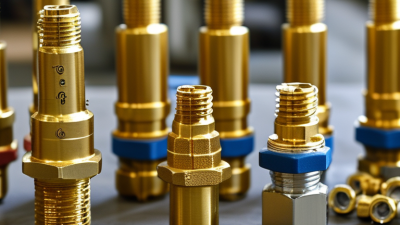
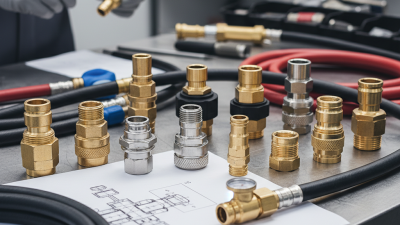
Inspect the full assembly, not just the hose tube. Confirm that fittings are compatible, connections are secure, and the specified minimum bend radius prevents kinks behind appliances or cylinders. Look for abrasion, cracking, swelling, or heat damage, and follow the supplier’s inspection and replacement guidance. The WLPGA Statistical Review 2024 reports global LPG demand at roughly 345 million tonnes in 2023. That figure shows the scale of use, not hose quality or failure risk. A careful selection still depends on documented test evidence and the conditions at the installation. Check the records. A checklist can miss real-world wear.
Matching LPG Hose Types to Appliances and Installations
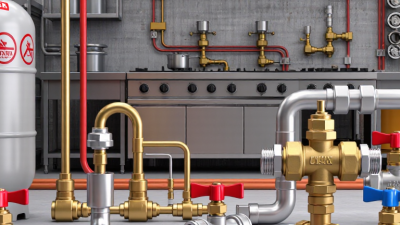
Choosing an LPG hose starts with the appliance and its position. A cylinder-to-regulator pigtail handles supply pressure; a regulator-to-cooker hose carries regulated gas. Do not interchange them. For a fixed installation, use approved piping where required, with flexible hose only at permitted connections.
The U.S. Energy Information Administration’s 2020 Residential Energy Consumption Survey estimates that propane is the main heating fuel in about 5% of U.S. homes. That range of household uses makes appliance-specific sizing important.
Check the appliance manual for gas type, inlet pressure, connector, and required flow. EN 16436-1 classifies LPG vapour hoses by maximum working pressure: 0.2, 1.0, and 2.0 MPa. Match the hose class to the installation specification, not appearance.
A patio heater outdoors may need a UV- and weather-resistant hose; a kitchen connection must stay clear of hot surfaces, sharp edges, and tight bends. Small details matter. Length and internal diameter affect flow, especially on higher-demand appliances. A hose that fits can still be unsuitable.
Check markings and condition, and follow the applicable local requirements. One easy-to-miss point: replace a hose that is cracked, stiff, abraded, or past its marked service life.
Safe Installation, Inspection, and Replacement of LPG Hoses
For 2026, choose an LPG hose that matches the appliance, regulator pressure, connection type, and operating environment. Check the hose marking and manufacturer’s instructions before installation; “it fits” is not enough. Route it without twists, crushing, or sharp bends, and keep it clear of hot surfaces and moving parts. Secure connections as specified. A neat installation can still be wrong.
Before use, look for cracks, cuts, swelling, flattened sections, loose fittings, or a gas odor. Small cracks matter. With the appliance off, check connections using an approved leak-detection solution; never use a flame. If bubbles appear, shut off the supply and have the fault assessed by a qualified LPG technician. A quick glance is not a leak test. NFPA’s Home Grill Fires report found an annual average of 11,421 U.S. home fires involving grills, hibachis, or barbecues during 2017–2021. That figure covers many fire causes, not hoses alone, but it shows why routine checks matter.
Replace a hose if it is damaged, leaking, or beyond its stated service life. Follow the maker’s replacement interval and local safety guidance; there is no single age limit for every hose. After replacement, confirm the fittings are compatible and repeat the leak check. Keep the date and inspection notes. People forget. A label can help.