Choosing a 1 inch gas valve is about more than matching a pipe measurement. The right option must suit the fuel, operating pressure, connection type, and intended application. A valve that looks sturdy on a product page may still be unsuitable for a specific system. Small details matter.
This guide compares seven options using practical considerations: material, port design, operating limits, connection compatibility, and manufacturer documentation. Look for clear specifications and applicable product certifications, rather than relying on appearance or vague claims. Check whether the stated size refers to nominal pipe size, and confirm the valve’s pressure rating against the system requirements. Those details can be easy to overlook.
There is no universal best pick. A compact valve may fit a tight service area, while another model may offer a more useful handle or connection style. Even strong products have trade-offs. Honestly, a comparison can only go so far without knowing the installation conditions. Use the shortlist to narrow your research, then verify the current datasheet and consult a qualified gas professional before purchase or installation. Gas systems demand care, not guesswork.
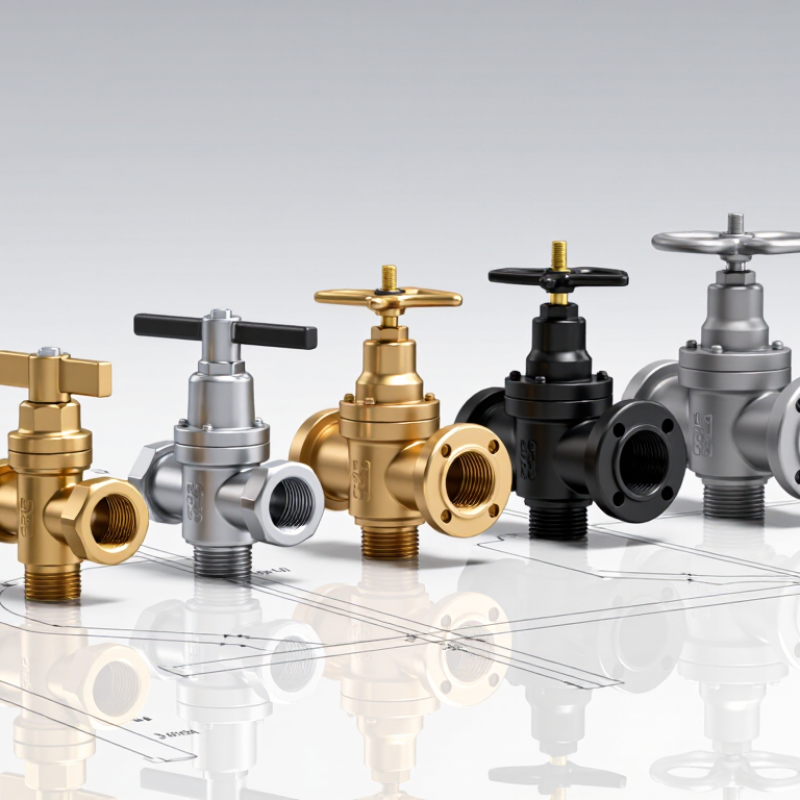
A 1-inch gas valve controls or stops gas flow through a compatible pipe connection. The size usually refers to nominal pipe size, not the valve’s exact opening. Inside, a quarter-turn handle may rotate a ball with a drilled passage. When aligned with the pipe, gas flows; turned across it, the ball blocks the passage. Simple to operate. Internal port size and pressure rating still affect performance.
These valves appear on building gas branches, near boilers, commercial cooking equipment, and some standby generators. Their job is isolation, not pressure regulation. The U.S. Energy Information Administration’s Natural Gas Annual 2023 reports roughly 32.5 trillion cubic feet of U.S. natural gas consumption that year. That scale supports extensive equipment and distribution networks, where accessible shutoff points matter. Yet a one-inch connection alone does not establish how much gas a system can safely deliver.
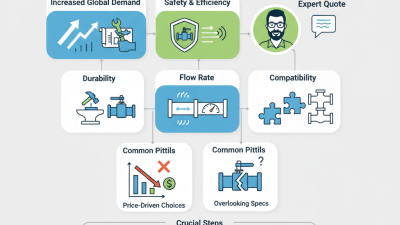
Selection depends on fuel type, operating pressure, temperature, connection style, and the appliance’s required flow. A valve that fits the pipe may still be unsuitable. Gas-rated materials and clearly marked open-and-closed positions help reduce confusion during service. Installation and leak testing should follow applicable codes and be handled by qualified professionals. A small oversight—like ignoring a valve’s flow capacity—can matter. The label is worth checking twice.
A 1-inch gas valve is not automatically the right choice just because its pipe connection matches. Compare the valve’s rated gas type, pressure range, and temperature limits with the system requirements. These details affect safe, reliable performance. Check the connection style and confirm it matches the existing piping; a mismatch can create installation problems. Valve body material also matters, especially where moisture or outdoor exposure may cause corrosion. Verify that the product is approved for the intended application and meets applicable local requirements.
Consider how the valve will be operated and maintained. A clear position indicator can make it easier to see whether the valve is open or closed. Full-port designs may reduce flow restriction, but the system’s actual flow needs should guide the choice. It is easy to focus on size and overlook access for inspection. That deserves a second look. Choose a valve that a qualified professional can inspect and service without disturbing nearby equipment.
Tips: Compare the pressure rating, gas compatibility, connection type, and approval markings before purchase. Keep the product documentation for future reference. Have a qualified gas professional confirm suitability and installation; ratings on a label do not replace system-specific assessment. Small details matter.
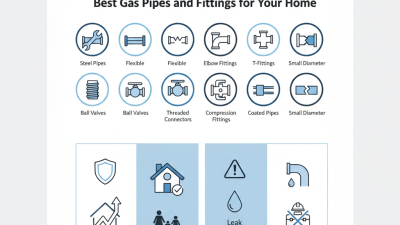
A one-inch connection does not guarantee a one-inch open passage. Check the valve’s rated gas service, pressure range, connection type, and installation instructions before comparing designs. The seven common options differ in how they shut off flow and where they fit.
A full-port ball valve has a wide opening and a quarter-turn handle, making it useful where low flow resistance matters.
A standard-port ball valve is often more compact, though its narrower passage may limit flow.
A threaded valve can suit accessible pipe runs with matching connections.
A flanged valve offers a bolted joint for larger assemblies or equipment that may need servicing. Check alignment carefully.
A union-end valve allows easier removal without turning adjoining pipe. A compact inline valve can fit tight spaces, but handle clearance still matters.
A stainless-steel-bodied option may be considered for demanding environments, while other approved materials can suit ordinary indoor service. These categories can overlap; the comparison is not perfectly tidy.
Check the product documentation for gas compatibility and required seals. A qualified gas professional should confirm sizing, pressure, and installation conditions, since a good-looking fit is not proof of suitability.
For a 1-inch gas valve, match the body material to the gas, moisture, and installation environment—not just the pipe. Listed brass valves can suit many clean, dry fuel-gas applications; stainless steel may be appropriate where corrosion resistance is needed. Carbon steel is another option in systems whose design and approved components specify it. Material alone does not establish suitability. Check the valve’s fuel-gas listing and the system requirements in NFPA 54.
Ratings matter. Confirm the maximum working pressure and temperature, connection type, and flow capacity. A valve’s pressure rating must remain valid at the operating temperature; burst pressure is not a working-pressure rating. ASME B16.34 provides pressure-temperature rating frameworks for valves, but the specific product’s stated limits still govern. A 1-inch nominal size does not guarantee adequate flow. Check the pressure drop and demand at the fixture. Small details count.
The U.S. Energy Information Administration describes a natural-gas pipeline network spanning more than 3 million miles, underscoring the scale of gas infrastructure and the need for correctly specified components. That figure does not choose a valve for a building. I would not assume that a familiar metal or matching thread makes a valve suitable. Verify its documentation, then have a qualified gas professional confirm the selection and installation.
Installation, Inspection, and Safety Requirements for Gas Valves
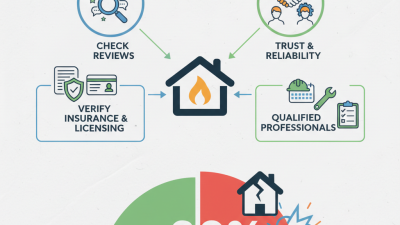
A one-inch connection alone does not prove a gas valve is suitable. The valve must match the fuel type, operating pressure, pipe material, and system demand. A qualified gas professional can confirm these details against local requirements and the equipment manufacturer’s instructions. A valve that looks sturdy may still be incorrectly rated.
Installation needs care. The gas supply should be isolated, and the valve must be fitted in the specified direction and position. Keep its handle accessible for quick shutoff. Use only approved fittings and sealing materials for the system. No shortcuts. After installation, a qualified professional should check connections for leaks with an approved method and verify system operation. Never use a flame to test for leaks.
Inspection matters, too. Look for corrosion, damage, loose connections, and a handle that sticks or fails to close fully. A clean exterior can be misleading; internal wear is not always visible. Follow the inspection schedule required for the appliance and local rules, and replace a suspect valve rather than forcing it. If you smell gas, leave the area, avoid switches and flames, and contact emergency services or the gas provider from a safe location.