
Why Choose a Zooming Led Headlamp for Your Business? The answer begins with control, not brightness alone. A zooming beam can shift from a broad work area to a narrow inspection point. That difference matters on construction sites, warehouse aisles, rescue equipment checks, and outdoor service calls. Workers can see cable labels, uneven flooring, and distant markers without carrying a second lamp.
Market evidence supports closer attention to this category. Allied Market Research projects the global headlamp market to grow from about USD 1.1 billion in 2021 to USD 1.8 billion by 2031. Grand View Research also reports continuing demand for compact, rechargeable lighting across outdoor and industrial applications. The estimates differ. That deserves caution. Still, both reports indicate sustained commercial interest. Businesses should examine beam consistency, battery endurance, ingress protection, charging time, and warranty support before choosing a supplier.
Dr. John E. Bullough, a lighting researcher at the Lighting Research Center, has stated, “The visual system is not the only system affected by light.” This principle applies to every Zooming Led Headlamp purchase. Excessive glare can cause discomfort, distraction, and poor task judgment. A practical model should offer controlled brightness, stable focus, and comfortable hands-free use. It should also survive drops, dust, rain, and repeated charging. Small details matter. A loose switch can stop a night shift. A weak hinge can undermine an otherwise excellent product. The strongest business case combines measurable performance with real worker feedback, although many product comparisons still overlook long-term maintenance costs.
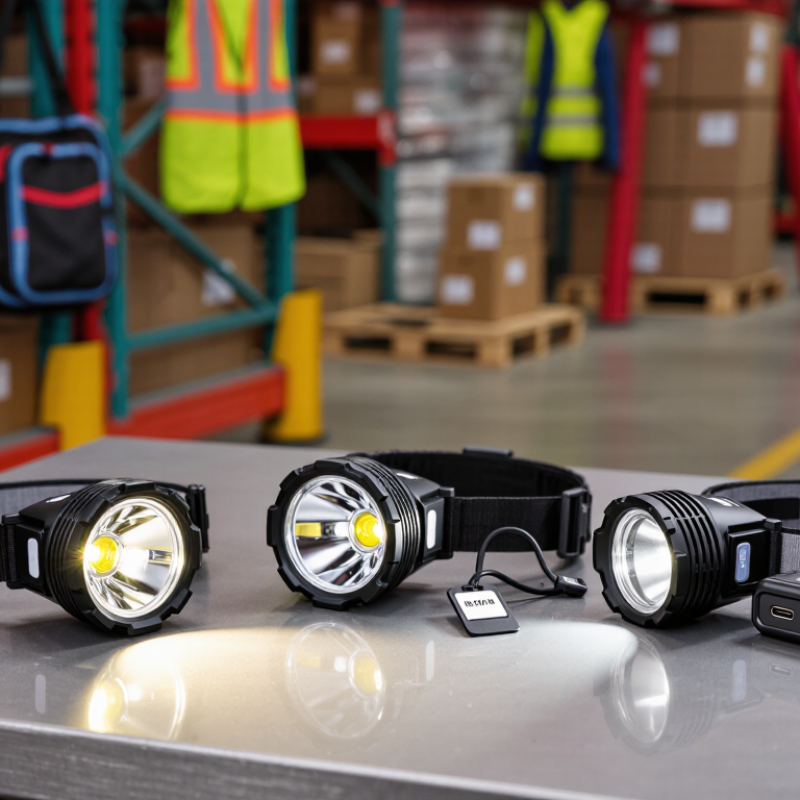
A zooming LED headlamp is a hands-free lighting tool with an adjustable beam. Its front lens moves or shifts to change the light pattern. Pulling the bezel forward usually creates a narrow, focused beam. Pushing it back spreads light across a wider area.
This simple adjustment helps workers inspect storage racks, wiring routes, machine parts, and dark walkways. A focused beam can reach a distant label or ceiling joint. A wide beam gives better awareness in a workshop or service corridor. The LED produces bright, efficient light, while the head strap keeps both hands available.
In practical use, comfort matters as much as brightness. A heavy lamp can become distracting after several hours.
Businesses should also examine heat control, battery capacity, water resistance, and switch reliability. A lamp may advertise strong output, yet poor heat management can reduce performance. Cold conditions can shorten battery life too. That detail is easy to miss.
The zoom mechanism also needs careful handling, because dust or rough movement may affect the lens. A short beam test in the actual workplace often reveals more than a specification sheet. Test it at arm’s length. Then test it across the room.
Zooming technology can improve workplace lighting by directing light where tasks require it. Workers can switch from a wide beam to a focused beam within seconds. A wide beam helps when checking shelves, walkways, or equipment. A narrow beam reveals small labels, wiring, and surface damage. This flexibility reduces wasted light and helps employees keep both hands free. In maintenance work, I have found that a focused beam makes inspection marks easier to notice. Still, brightness alone does not guarantee better visibility.
A reliable headlamp should provide stable output, comfortable weight, and simple controls. Look for adjustable brightness levels and a secure head strap. Battery performance also matters during long shifts. Test the lamp with gloves before approving it for regular use. Some zoom mechanisms feel stiff in cold conditions. That detail is easy to overlook. A headlamp should support existing workplace lighting, not replace emergency lights or proper area illumination. Workers may also need training to avoid shining intense beams toward colleagues.
Tips: Match the beam to the task, not the brightest setting. Clean the lens after dusty work. Check battery levels before each shift. Store spare batteries safely. Ask employees for feedback after real workplace trials, because comfort problems often appear later.
A zooming LED headlamp gives workers hands-free light during inspections, repairs, and emergency checks. Its adjustable beam can illuminate a narrow valve or spread across a storage aisle. This flexibility supports warehouse teams, maintenance crews, and outdoor service workers. Both hands remain available for tools, ladders, and equipment. That simple advantage can reduce awkward movement and prevent avoidable mistakes.
In daily operations, light quality matters more than brightness alone. A focused beam helps technicians read small labels, inspect cable connections, or find leaks beneath machinery. A wider beam improves awareness around vehicles, shelves, and uneven ground. Choose models with secure straps, comfortable weight distribution, and clear battery indicators. Workers should test the lamp before each shift. A dead battery is not a minor inconvenience.
Safety procedures still matter. A headlamp should support, not replace, workplace lighting or protective equipment. Managers need to check charging routines, cleaning requirements, and approved use areas. Some zoom mechanisms can loosen after repeated handling. Narrow beams may also leave dark edges when workers turn quickly. We often overlook these limitations. Practical training should include beam adjustment, battery storage, and safe movement in low-light areas. Records of inspections can improve accountability and reveal recurring failures. A reliable lamp is useful, but consistent habits make its benefits dependable.
Why Choose a Zooming LED Headlamp for Your Business?
Choosing the right headlamp starts with the work, not the highest lumen number. A warehouse picker may need a wide beam for nearby labels. A maintenance technician may need a focused beam across a dark ceiling. Zooming optics support both tasks, but only when the adjustment feels smooth and stays fixed during movement. The U.S. Department of Energy’s 2023 Solid-State Lighting R&D Opportunities report notes continuing progress in LED efficiency and performance. That supports lower energy use, but efficiency alone cannot replace good ergonomics.
Check runtime at practical brightness, not only the maximum setting. ANSI/PLATO FL 1-2019 identifies useful performance measures, including beam distance, runtime, peak beam intensity, and water resistance. Ask suppliers for test conditions and battery details. Otherwise, comparisons become misleading. A headlamp rated for ten hours may deliver that result only at a reduced output. Small details matter: a washable strap, a stable rear battery housing, and gloves-friendly controls can reduce interruptions on a busy shift.
Field testing should include dust, cold storage rooms, repeated tilting, and one-handed operation. Our first evaluation might favor brightness too much. That is a common mistake. Excessive glare can slow close-range work and tire the eyes. Select several beam patterns and let actual users test them for one week. Record charging frequency, accidental switches, comfort, and damaged parts. The cheapest unit may not be the lowest-cost choice after replacement time and lost productivity are included.
| Evaluation Dimension | Why It Matters for Business | Typical Practical Range | Best-Fit Work Scenario | Selection Guidance |
|---|---|---|---|---|
| Beam Adjustment | A sliding or rotating zoom mechanism changes the beam from a broad flood pattern to a narrower spot pattern. | Wide flood beam for close work; focused beam for longer-distance viewing. | Maintenance, inspection, warehouse operations, security patrols, and outdoor service work. | Choose a smooth, glove-friendly mechanism that does not alter the beam accidentally during movement. |
| Light Output | Higher output can improve visibility, but excessive brightness may create glare, shorten runtime, and increase heat. | Approximately 150–1,000 lumens for many general-purpose professional headlamps. | General inspection and indoor work often need less output than open-area or roadside tasks. | Prioritize usable light distribution and multiple brightness levels instead of maximum lumens alone. |
| Beam Distance | Longer throw helps users identify objects or hazards farther away in low-light environments. | Often about 30–150 meters, depending on output, optics, battery condition, and testing method. | Outdoor inspection, utility work, construction sites, and emergency response. | Compare beam distance under the same recognized testing standard, such as ANSI/PLATO FL 1. |
| Runtime | Reliable operating time reduces interruptions, replacement costs, and the risk of losing light during a task. | Approximately 2–30 hours, depending on brightness level, battery type, temperature, and regulation. | Shift work, inspections, service calls, and overnight operations. | Check regulated runtime data and select a model that covers the full shift at the required brightness. |
| Battery System | Battery choice affects charging logistics, operating cost, weight, and readiness across multiple users. | Rechargeable lithium-ion batteries or replaceable AA/AAA cells are common options. | Rechargeable systems suit regular daily use; replaceable cells help in remote or emergency work. | Review charging time, spare-battery availability, charging-port protection, and battery replacement policy. |
| Water Resistance | Protection against rain and splashes improves reliability during outdoor or demanding work. | IPX4 protects against water splashes; IPX7 covers temporary immersion under specified test conditions. | Outdoor maintenance, construction, logistics, and emergency operations. | Select an ingress-protection rating based on actual exposure; water resistance does not equal chemical resistance. |
| Impact Resistance | A durable housing helps reduce downtime when equipment is dropped or used in rugged conditions. | Many professional models are tested for impact resistance around 1–2 meters. | Workshops, construction areas, warehouses, and field service. | Verify the stated test height and standard; impact resistance does not guarantee damage-free operation in every accident. |
| Headband Comfort | Comfort affects employee acceptance, concentration, and willingness to wear the lamp for extended periods. | Adjustable elastic straps, washable padding, and top straps are common design features. | Long inspections, assembly work, repairs, and overnight shifts. | Check adjustment range, sweat management, helmet compatibility, and weight balance before bulk purchase. |
| Weight and Balance | A lighter, balanced lamp reduces neck strain and movement during prolonged use. | Many compact headlamps weigh roughly 50–150 grams, excluding or including batteries depending on the specification. | Continuous inspection, climbing, repair, and mobile field work. | Confirm whether the published weight includes the battery and assess front-to-back balance. |
| Lighting Modes | Multiple modes allow users to match brightness with the task, conserve energy, and reduce glare. | Common modes include low, medium, high, focused beam, wide beam, and emergency flash. | Mixed indoor and outdoor tasks with changing visibility requirements. | Prefer an intuitive interface with a lockout function to prevent accidental activation in storage. |
| Color Rendering | Better color rendering can help workers distinguish wiring, labels, surface defects, and warning colors. | Neutral or high-CRI LEDs generally show colors more accurately than basic cool-white lighting. | Electrical inspection, equipment repair, quality control, and medical or technical work. | Consider a high-CRI option when accurate color identification is more important than maximum throw. |
| Total Cost of Ownership | Purchase price is only one cost; batteries, charging equipment, maintenance, replacement, and downtime also affect value. | Costs vary according to battery format, duty cycle, warranty, accessories, and expected service life. | Fleet purchasing, facility management, logistics, and large-scale workforce deployment. | Compare warranty coverage, spare-part support, charging infrastructure, and performance consistency across units. |
Note: Performance ranges are general industry-oriented guidance. Actual results depend on the lamp design, battery condition, operating mode, ambient temperature, and applicable test standard.
Why Choose a Zooming LED Headlamp for Your Business?
Maintenance, Costs, and Long-Term Value
A zooming LED headlamp can reduce tool changes during inspections, repairs, and warehouse checks. A narrow beam helps technicians examine wiring, labels, and small components. A wider beam improves walking safety and nearby task visibility. That flexibility has practical value.
Maintenance decides whether that value survives daily use. The U.S. Department of Energy’s LED Basics guidance places quality LED life around 25,000 to 50,000 hours. This figure describes the light source, not every headlamp component. Switches, seals, lenses, and batteries may fail earlier. Field conditions still win. Dust, vibration, heat, and repeated drops expose weak construction quickly. Check IP protection claims against IEC 60529 and performance information against ANSI/PLATO FL 1 testing.
Purchase price alone is misleading. A simple cost model includes the lamp, charging equipment, replacement batteries, cleaning time, and downtime. For example, a 40-dollar headlamp that lasts three years may cost less than a 25-dollar model replaced twice annually. The U.S. Department of Energy also reports that LED lighting can use at least 75% less energy than incandescent lighting. Battery charging usually costs little, but battery replacement and lost work hours matter more. Downtime is expensive.
The math is imperfect. Actual value depends on usage, storage, and maintenance discipline. Keep lenses clean, inspect charging ports, and replace damaged straps early. A zoom mechanism adds convenience, but it also adds another moving part. Choose durability before impressive specifications.
A five-year ownership-cost model shows how rechargeable power, replaceable parts, and focused beam control can reduce recurring operating costs compared with a basic fixed-beam headlamp.
Illustrative, brand-neutral estimate per unit in USD over five years. Actual costs vary by purchase price, usage frequency, battery prices, and labor rates.
