Top Uses and Benefits of 8mm Gas Pipe in Modern Applications?
In modern applications, the 8mm gas pipe has emerged as a critical component in various industries. Its versatility and durability make it a preferred choice for many professionals. According to a report by the Gas Technology Institute, using the correct pipe size significantly optimizes gas flow and efficiency. The 8mm diameter provides an ideal balance between pressure restrictions and flow rates for residential and commercial installations.
However, it is essential to consider the material quality of the 8mm gas pipe. Many suppliers offer pipes made from different materials, including steel and polyethylene. The choice affects both longevity and safety. Recent data indicates that properly installed gas pipes can reduce leak risks, enhancing overall system reliability. Notably, issues arise if installations do not comply with industry standards. Trained professionals should always perform installations to ensure compliance and safety.
While the advantages of using 8mm gas pipes are significant, there are challenges in selecting the right type based on specific needs. Not every situation will benefit from the standard solution. Thus, careful evaluation and consultation with experts can yield the best outcomes. Nevertheless, the 8mm gas pipe continues to play an essential role in energy management and infrastructure development.
Overview of 8mm Gas Pipe and Its Composition
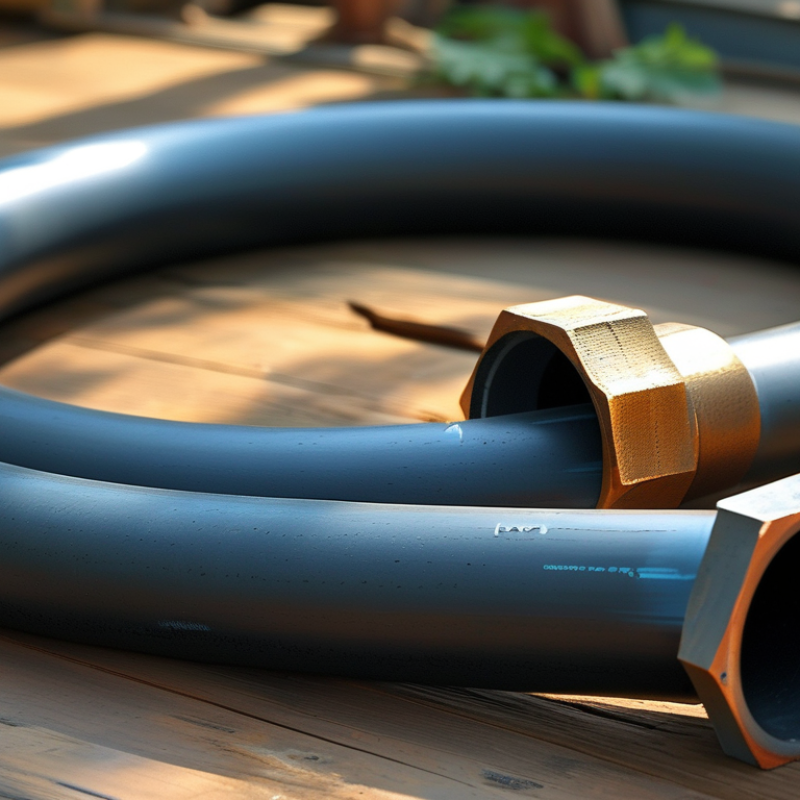
The 8mm gas pipe is a staple in modern gas distribution systems. It is constructed from materials such as steel or copper, designed to withstand high pressure. According to the Gas Technology Institute, 8mm pipes can efficiently transport gas with minimal pressure loss, enhancing overall system performance.
This pipe size is often used in residential and commercial applications, facilitating tasks like heating, cooking, and industrial processes. Its dimensions allow for easy installation in tight spaces, making it versatile. A study by the International Energy Agency (IEA) indicates that proper sizing and material selection in gas piping significantly affect energy efficiency.
However, there are challenges, such as corrosion potential in certain environments. Regular inspections are necessary to ensure reliability. Some installations may not meet industry standards, leading to safety concerns. Balancing cost and quality is critical for optimal performance. Using 8mm gas pipes requires careful consideration of local regulations and safety measures. This attention to detail is vital for long-term functionality and compliance.
Common Applications of 8mm Gas Pipe in Residential Settings
8mm gas pipes have become crucial in many residential applications, especially for heating and cooking. Their compact size allows them to fit seamlessly into various spaces. These pipes effectively deliver gas to appliances like stoves, heaters, and water boilers. Proper installation ensures safety and efficiency.
When using 8mm gas pipes, it’s important to follow guidelines strictly. Any installation mistakes can lead to gas leaks. Regular maintenance is necessary to ensure they function properly. Visual inspections can catch potential problems early.
For homeowners, here are some tips to consider:
- Ensure your pipe connections are tight.
- Use appropriate fittings to avoid leaks.
- Don’t overlook any signs of wear or corrosion on the pipes.
- If you notice any issues, consult a professional immediately.
- It's wise to invest in quality materials to enhance safety and reliability in your home.
Advantages of Using 8mm Gas Pipe in Industrial Applications
The use of 8mm gas pipes in industrial applications offers several key advantages. These pipes are lightweight yet strong, making them easy to handle. Their small diameter allows for flexible installation in tight spaces. This is particularly beneficial in urban areas where space is limited. Workers can quickly maneuver and install these pipes with less hassle.
Reliability is another significant benefit. 8mm gas pipes are designed to withstand high pressure and temperature variations. This durability ensures the safe transport of gas in numerous settings. Regular maintenance is important, but the overall longevity of these pipes makes them cost-effective over time. Companies may reflect on past failures with larger systems and find that smaller pipes often yield better results.
Additionally, these pipes can be combined with various fittings and connectors. This flexibility enhances their utility in diverse industrial environments. However, it’s crucial to ensure proper installation. Any oversight can lead to leaks or failures. Industrial teams should continually assess their installation practices to maximize safety and efficiency. Regular training and updates can prevent common mistakes.
Safety Standards and Regulations for 8mm Gas Pipes
The safety standards and regulations for 8mm gas pipes are critical in safeguarding users and ensuring efficient operation in various applications. According to industry reports, improper installation or substandard materials can lead to significant hazards, including leaks and explosions. The National Fire Protection Association (NFPA) sets guidelines that govern the proper usage of gas piping systems. Compliance with these regulations reduces risks and promotes safer environments.
Tips: Always check for certifications on materials used in gas piping. Ensure installation follows local building codes. Regular maintenance inspections are essential for long-term safety.
Understanding the importance of quality in materials used for gas pipes cannot be overstated. Experts recommend using 8mm gas pipes made from robust materials, as they endure pressure fluctuations and temperature changes effectively. Corrosion resistance is a key feature that should not be overlooked. The American Society for Testing and Materials (ASTM) provides specific standards, which should guide project specifications.
Tips: Choose materials that resist corrosion. Regularly inspect your installations for any signs of wear. This can prevent costly failures and enhance safety.
Comparative Analysis of 8mm Gas Pipe with Other Gas Pipe Sizes
When comparing 8mm gas pipes with other sizes, the differences are evident.
8mm pipes are often chosen for residential applications. Their compact size allows for easier installation.
They provide adequate gas flow for typical appliances like stoves and heaters. In contrast, larger pipes, such as
15mm or 22mm, are better for commercial setups.
These pipes can handle higher gas volumes, making them suitable for restaurants or industrial use.
A report by the Gas Infrastructure Group indicates that 8mm pipes deliver
20% more efficiency in small-scale setups compared to 15mm pipes. This efficiency translates to
lower energy costs over time. However, for high-demand scenarios, 8mm pipes may struggle to keep up.
Users often report fluctuations in gas pressure when using multiple devices simultaneously. The right size choice depends heavily
on the specific needs of the application.
Industry experts recommend assessing the total gas demand before selecting pipe sizes. The 8mm option is reliable for
smaller needs but may require boosting in peak times. Knowledge of local regulations is also crucial, ensuring compliance with safety standards.
Always consult professionals for installation and maintenance advice to avoid potential hazards.