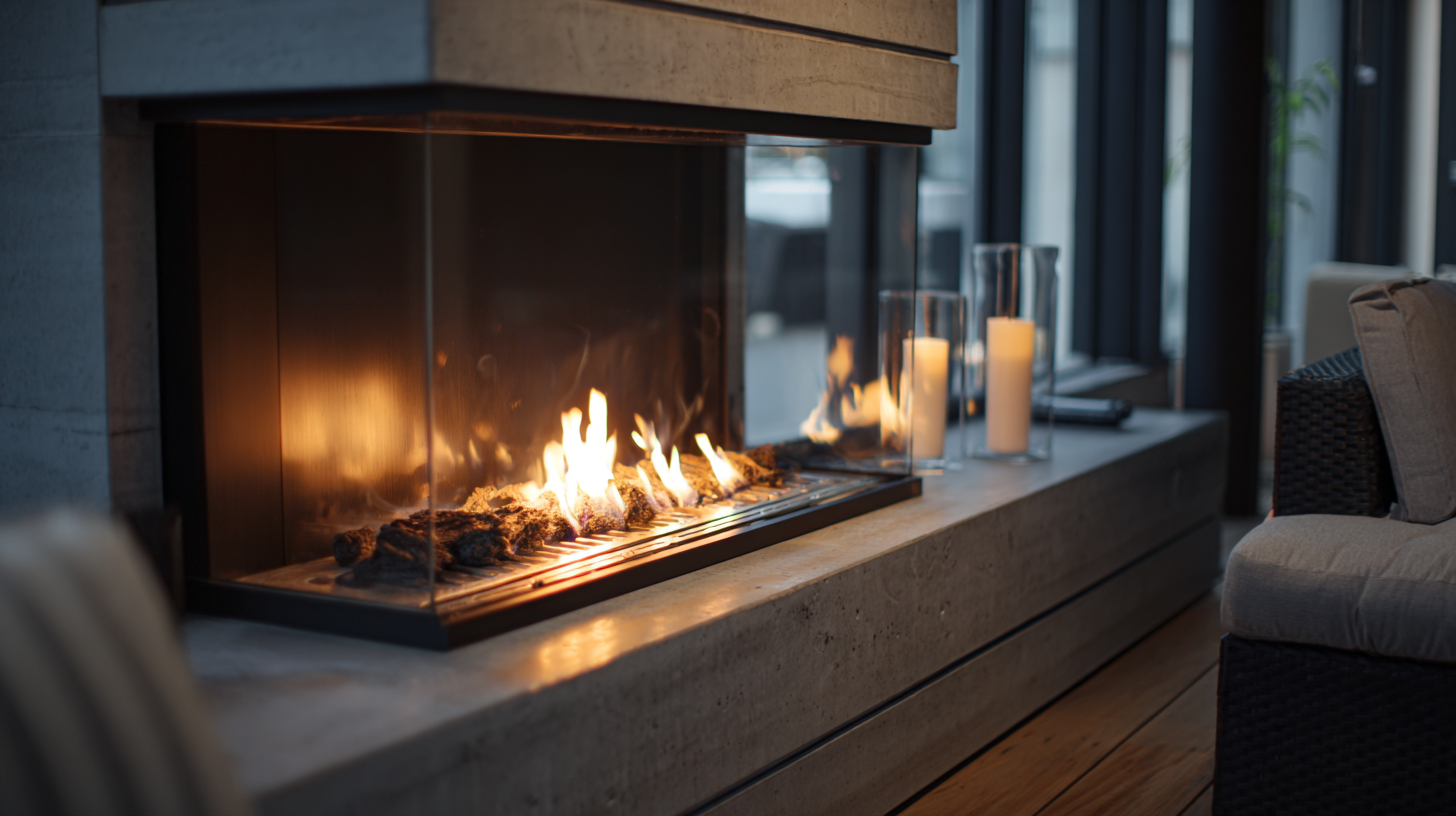
Maximize Your Comfort: The Ultimate Guide to Choosing the Right Gas Burner Heater for Your Home
In today's fast-paced world, ensuring optimal comfort at home is more crucial than ever, particularly as energy efficiency and personal well-being gain importance among homeowners. According to the U.S. Department of Energy, heating accounts for a significant portion of residential energy consumption, often reaching up to 30% of the total utility bill. Choosing the right gas burner heater can greatly influence your heating efficiency and comfort level during colder months. With various models and types available in the market, understanding their specifications, safety features, and energy ratings is essential for making an informed decision. Comprehensive insights from industry reports reveal that gas burner heaters, due to their efficiency and low operating costs, are increasingly preferred by consumers seeking to balance comfort and environmental concerns. This guide aims to provide valuable information to navigate through these choices, assisting you in identifying the perfect gas burner heater tailored to your home's unique needs.
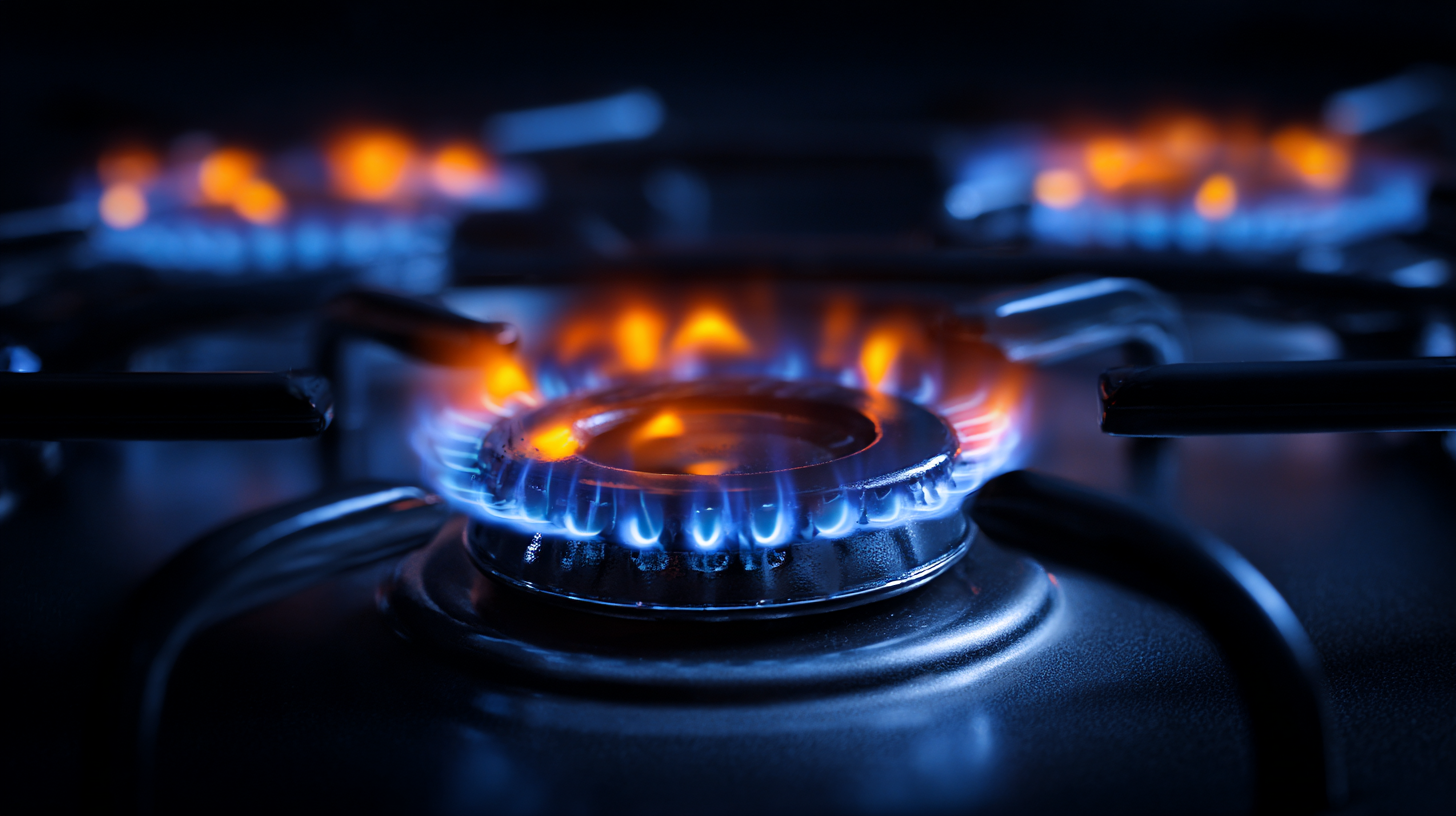
Understanding Different Types of Gas Burner Heaters for Home Use
When selecting a gas burner heater for your home, understanding the different types available is crucial to maximizing comfort.
There are primarily three categories of gas burner heaters:
convection heaters,
radiant heaters, and
infrared heaters.
According to the U.S. Department of Energy, convection heaters are designed to warm the air in the room, making them ideal for larger spaces. They typically have adjustable settings to control the temperature, making them versatile for varying needs.
Radiant heaters, on the other hand, provide warmth by directly heating objects and people in proximity, rather than the air. This makes them particularly efficient for smaller areas or for use in outdoor patios,
as highlighted by a report from the American Gas Association, which states that radiant heaters can outperform convection models in terms of energy consumption efficiency.
Lastly, infrared heaters are becoming increasingly popular for their ability to provide instantaneous heat without needing to warm the surrounding air first.
The same report indicates that infrared heaters have gained a 15% market share in residential heating applications over the past five years, underscoring their growing appeal among homeowners looking for immediate comfort.
Key Factors to Consider When Choosing a Gas Burner Heater
When selecting a gas burner heater for your home, several key factors should guide your decision. First and foremost, consider the heating capacity of the unit, which is measured in BTUs (British Thermal Units). A heater with the appropriate BTU rating will effectively warm your space without wasting energy. You should assess the square footage of the area you need to heat and choose a model that matches those requirements.
Additionally, the type of gas supply available in your home—natural gas or propane—will influence your choice. Make sure to select a heater compatible with your gas source to ensure safety and efficiency.
Another crucial factor is the heater's efficiency rating, often represented by an Annual Fuel Utilization Efficiency (AFUE) percentage. Higher efficiency ratings indicate that more energy is converted into heat, ultimately lowering your utility bills. Equally important is the design and safety features. Look for options that include protective grills, automatic shut-off mechanisms, and sensor technologies that can provide peace of mind when the heater is in use. By taking into account the heating capacity, efficiency, and safety features, you can choose a gas burner heater that maximizes comfort in your home.
Top 5 Features to Look for in a Gas Burner Heater
When selecting a gas burner heater for your home, several key features are essential for ensuring optimal comfort and efficiency. First and foremost, consider the heater's heating capacity, typically measured in BTUs (British Thermal Units). A higher BTU rating indicates a stronger heating capability, which is crucial for larger spaces. Be sure to assess the size of the area you wish to heat to choose a model that provides adequate warmth without wasting energy.
Another important feature to look for is the type of ignition system. Modern gas burner heaters often come with electronic ignition, which provides quick and reliable starts compared to manual pilot lights. Additionally, safety features such as flame failure devices and carbon monoxide detectors are paramount to prevent accidents and ensure peace of mind. Lastly, evaluate the heater's energy efficiency rating, as higher efficiency translates to reduced energy costs and a smaller environmental footprint, making it a smart choice for any homeowner.
Top 5 Features to Look for in a Gas Burner Heater
5 Common Mistakes to Avoid When Selecting a Gas Burner Heater
When selecting a gas burner heater for your home, avoiding common mistakes can make a significant difference in your comfort and satisfaction. One frequent error is overlooking the heater's size. It’s crucial to choose a heater that appropriately matches the space you intend to heat. A unit that is too small will struggle to maintain warmth, while an oversized heater may lead to energy waste and uncomfortable temperature fluctuations.
Another common mistake is neglecting efficiency ratings. Many consumers focus solely on the initial cost of a gas burner heater, failing to consider long-term energy costs. Investing in a model with higher efficiency ratings may have a higher upfront price but ultimately save you money on energy bills. Additionally, ignoring safety features can lead to hazardous situations. Ensure the heater includes necessary safety mechanisms such as automatic shut-off and proper ventilation options to ensure peace of mind while heating your home. Taking these factors into account will help you make a more informed decision.
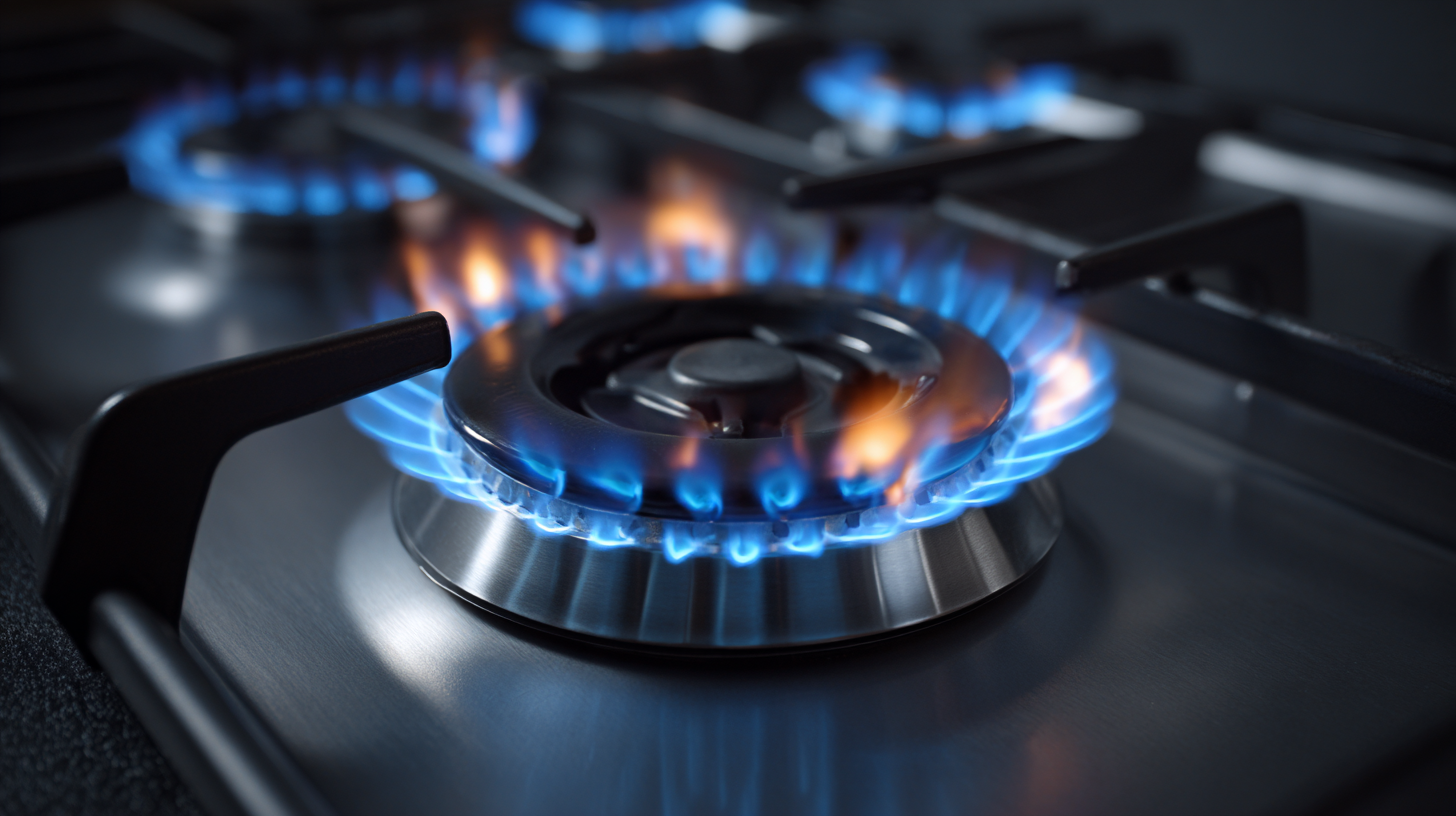
How to Maintain Your Gas Burner Heater for Optimal Performance
When it comes to maintaining your gas burner heater for optimal performance, regular upkeep is crucial. A well-maintained heater not only operates more efficiently but also extends its lifespan, ensuring your comfort throughout the colder months. Start by checking the ventilation regularly to prevent any blockages that may hinder airflow. Clean the burner and pilot light to ensure they function correctly, as dirt accumulation can lead to reduced efficiency and safety hazards.
Here are a few tips for effective maintenance: first, schedule annual professional inspections to catch any potential issues early. Secondly, keep an eye on the gas lines for leaks – a simple soap solution can help detect any escaping gas. Lastly, consider replacing the filters and performing a thorough cleaning of the exterior to improve overall functionality and appearance.
By integrating these maintenance practices into your routine, you’ll maximize the performance of your gas burner heater, ensuring that it remains a reliable source of warmth. Regular checks and cleanings contribute significantly to safety and efficiency, safeguarding both your home and your comfort.