2025 Top Trends in Gas Fittings for Home and Commercial Use

As the demand for energy-efficient systems in both residential and commercial settings continues to rise, the significance of gas fittings cannot be understated. According to a recent report by the International Energy Agency (IEA), the global market for gas fittings is expected to grow at a compound annual growth rate (CAGR) of 5.1% between 2023 and 2028, driven by advancements in technology and increasing regulations around safety standards. This trend highlights the crucial role that gas fittings play in enhancing energy efficiency and safety in gas distribution systems.

Industry expert Dr. Emily Carter, a leading authority on gas safety innovations, emphasizes the importance of staying ahead in this evolving market, stating, "The future of gas fittings is not just about functionality, but also about integrating smart technologies that prioritize efficiency and safety." Her insight underscores the need for both homeowners and commercial enterprises to adapt to these technological changes in gas fittings to stay compliant and reduce operational costs. As we look ahead to 2025, it becomes clear that embracing these top trends in gas fittings will be vital for optimizing performance and ensuring safety in gas applications across various sectors.
2025 Top Trends in Gas Fittings for Home and Commercial Use

Top Innovations in Gas Fittings for 2025 Home Applications
2025 Top Trends in Gas Fittings for Home and Commercial Use

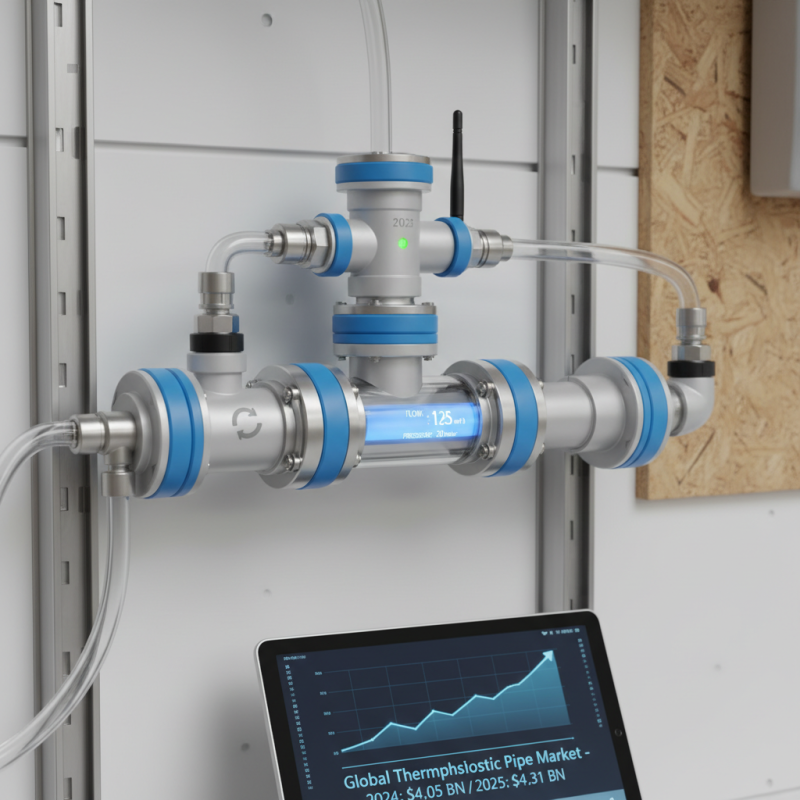
As we approach 2025, the evolution of gas fittings for home applications reflects significant advancements driven by innovation and sustainability. One notable trend is the growing use of advanced thermoplastic materials. These materials not only offer increased durability and lower weight but also enhance the efficiency of gas distribution systems. The global thermoplastic pipe market, valued at $4.05 billion in 2024, is expected to reach $4.31 billion by 2025, highlighting the rising demand for efficient piping solutions that comply with modern safety and environmental standards.

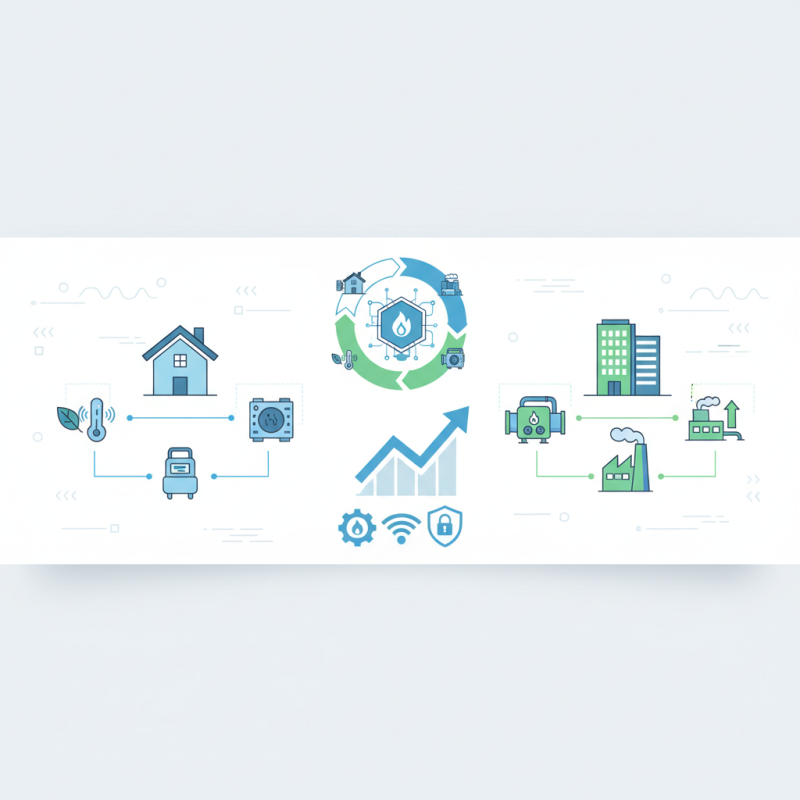
In addition to material advancements, smart technologies are becoming integral in gas fitting applications. Smart gas regulators, which optimize supply based on real-time usage data, and IoT-enabled sensors that monitor gas leaks, are paving the way for smarter homes and commercial facilities. These innovations not only improve safety but also lead to better resource management and energy efficiency, making them critical components in the design of modern gas fitting systems. As the industry moves forward, embracing such innovations will be vital for meeting the needs of a rapidly evolving market.

Advancements in Commercial Gas Fitting Technologies for 2025

The advancements in commercial gas fitting technologies for 2025 are set to revolutionize the industry. With significant improvements in safety features, new smart sensors will monitor gas flow and detect leaks in real time, automatically alerting facility managers. These innovations address the critical need for enhanced safety in commercial environments, where the potential risks associated with gas fittings can have severe consequences.

Moreover, the integration of IoT (Internet of Things) technology within gas fitting systems is paving the way for greater efficiency and control. Businesses can expect advanced analytics to optimize gas usage, leading to significant cost savings and a reduction in greenhouse gas emissions. Remote monitoring capabilities will also allow operators to manage systems from anywhere, ensuring uninterrupted service and swift responses to any issues that may arise. This synergy of technology and safety will redefine how gas fittings are utilized in both commercial and residential sectors, promoting a more sustainable future.

2025 Top Trends in Gas Fittings for Home and Commercial Use

Trend Description Applications Benefits
Smart Gas Fittings Integration of IoT technology for real-time monitoring and control. Residential homes, commercial kitchens, industrial facilities. Enhanced safety, reduced energy consumption, and operational efficiency.
Flexible Gas Piping Use of flexible materials for easier installation and maintenance. New constructions and retrofitting existing buildings. Saves installation time and reduces costs.
High-Efficiency Gas Appliances Modern appliances designed for better efficiency and lower emissions. Restaurants, homes, and commercial facilities. Reduced energy costs and environmental impact.
Enhanced Safety Features Advanced safety technologies including automatic shut-off valves. Commercial kitchens, gas distribution networks. Increased user safety and compliance with regulations.
Sustainable Gas Solutions Utilization of biogas and renewable energy sources. Residential and commercial heating systems. Lower carbon footprint and increased use of renewable resources.

Sustainability Trends Influencing Gas Fittings in 2025

As we look forward to 2025, sustainability is set to be a pivotal influence on gas fittings for both home and commercial applications. An increasing awareness of environmental issues is driving demand for products that minimize carbon footprints. Manufacturers are exploring innovative materials and designs that not only improve efficiency but also adhere to rigorous sustainability standards. These developments are akin to broader trends observed in various industries, from textiles to energy, where businesses are under pressure to reduce waste and foster responsible consumption.

Moreover, advancements in technology are playing a crucial role in the evolution of gas fittings. Smart technology that allows for better monitoring and management of gas consumption is emerging. This trend reflects a growing consumer preference for sustainable and intelligent solutions. As government policies tighten around emissions and sustainability, the gas fittings industry will likely witness significant shifts towards eco-friendly practices, mirroring the ongoing transformations in sectors like fashion, where sustainability is becoming increasingly non-negotiable.

Smart Home Integration: Gas Fitting Technologies for the Future

As the demand for smarter living solutions continues to grow, gas fitting technologies are rapidly evolving to integrate seamlessly within smart home environments. The year 2025 is set to witness an explosion of innovations that enhance the efficiency, safety, and convenience of gas-based systems in both residential and commercial properties. Key features will include advanced sensors that monitor gas flow and detect leaks in real time, providing peace of mind and significantly reducing the risk of accidents.

Moreover, the integration of gas fittings with smart home ecosystems will enable users to control their gas appliances remotely through smartphones and voice-assisted devices. Intelligent thermostats and adaptive controllers will optimize gas usage for heating and cooking, adjusting automatically based on user habits and preferences. This not only enhances the user experience but also promotes energy efficiency and sustainability, aligning with broader trends in eco-friendly home designs. The future of gas fittings will thus be characterized by connectivity, automation, and enhanced safety, paving the way for a smarter and more efficient living environment.

2025 Top Trends in Gas Fittings for Home and Commercial Use

Safety Standards and Regulations for Gas Fittings in 2025

In 2025, the landscape of gas fittings for both home and commercial applications is set to be heavily influenced by evolving safety standards and regulations. The International Code Council (ICC) has projected that compliance with enhanced safety protocols will be paramount, especially as the demand for natural gas systems increases. With reports indicating a projected market growth of approximately 7.2% annually, ensuring that gas fittings meet stringent safety criteria will be essential to protect users and minimize risks.

The National Fire Protection Association (NFPA) has also emphasized the importance of adhering to updated regulations, which include the use of advanced materials and technologies in gas fitting construction. By 2025, it is expected that regulations will focus on ensuring that gas fittings can withstand higher pressures and fluctuating temperatures, which have become increasingly critical due to climate change. Moreover, industry leaders are advocating for the adoption of smart gas monitoring systems that not only comply with safety standards but also provide real-time data to mitigate hazards before they escalate. As the sector shifts towards these innovations, stakeholders must prioritize safety to foster consumer trust and operational efficiency.