Top Tips for Choosing the Best Aluminum Door Lock?
Choosing the right Aluminum Door Lock is crucial for security and convenience. With so many options available, finding the best fit can be overwhelming. An aluminum door lock provides durability and resistance against the elements. However, not all locks are created equal. Each lock comes with unique features and specifications. Understanding these can help in making an informed choice.
Consider the level of security needed for different settings. For residential spaces, a basic lock may suffice. In contrast, businesses often require high-security systems. This disparity demands reflection on personal needs. Look for trusted brands and check customer reviews. These resources can offer insights into lock performance and reliability.
Ultimately, the best aluminum door lock should match your requirements and budget. Don't rush this decision; take time to weigh the options. Researching various models and comparing features is vital. The right lock enhances both security and peace of mind, so it's worth the effort.
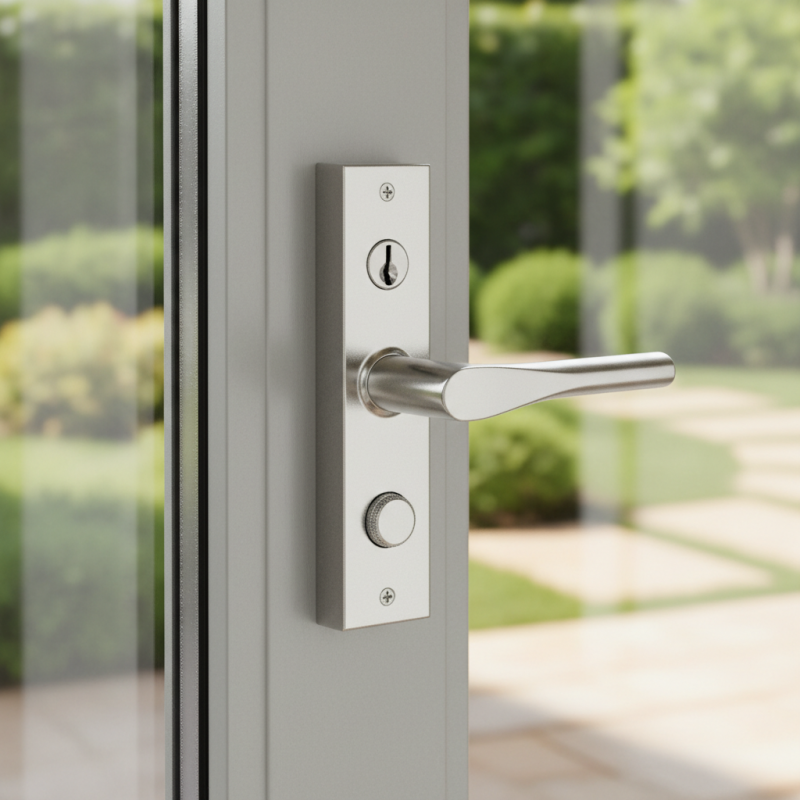
Understanding the Importance of Aluminum Door Locks
Aluminum door locks play a critical role in home security. They offer durability and resistance to corrosion, making them ideal for both indoor and outdoor use. Their lightweight nature does not compromise strength. Homeowners should prioritize the lock’s construction material and design. A well-designed lock complements the door, enhancing both aesthetics and security.
When choosing an aluminum door lock, consider its mechanism. Deadbolts, for example, provide better protection than standard latch locks. However, some homeowners may overlook this detail. They might choose convenience over security, which is a common mistake. Advanced features, like anti-pick technology, further enhance safety. While these options may cost more, they offer peace of mind.
Maintenance can be another area of concern. Keeping the lock and door frame clean is crucial for longevity. Ignoring regular upkeep can lead to wear and tear. This neglect could weaken the lock's effectiveness. Regularly checking for rust or faults allows you to address issues before they become significant problems. A reliable lock is an investment, not to be taken lightly.
Key Features to Look for in Aluminum Door Locks
When selecting aluminum door locks, specific features remain crucial. Focus on the material quality first. Aluminum can vary in strength; ensure it meets industry standards for durability. A lock with anti-corrosion features is essential, especially in humid areas. This prevents rust and prolongs the lock's life.
Next, consider the locking mechanism. Single-cylinder locks are common, but consider deadbolts for added security. Sliding bolts offer another layer, which is important for external doors. Look for multiple locking points to distribute force across the door. Remember, the more robust the mechanism, the better the protection.
Also, check for ease of installation. Some locks require tools or skills. Others are user-friendly and can be fitted without a professional. Finally, always prioritize warranties and customer reviews. A reliable lock should come with a guarantee, reflecting the manufacturer's confidence in their product. These aspects help in making an informed choice for your specific needs.
Types of Aluminum Door Locks: A Comprehensive Overview
When it comes to aluminum door locks, understanding the different types is essential. The market offers various options, ensuring a suitable choice for your security needs. Common types of aluminum door locks include deadbolts, knob locks, and electronic locks. According to recent security reports, deadbolts provide a higher level of protection, often being recommended for external doors. They effectively resist forced entry due to their robust mechanisms and solid construction.
Tip: Always consider the lock rating. Look for locks rated by recognized standards, such as ANSI or BHMA. These ratings indicate a lock’s durability and resistance.
Knob locks, while convenient, are often not secure enough for exterior use. They can easily be manipulated and are best for interior doors. Electronic locks offer advanced features, including keyless entry and programmable access codes. However, they require a power source and may pose risks if not maintained properly.
Tip: When choosing electronic locks, ensure they have a backup key option. This is crucial in case of power failure or battery issues. Always assess the installation and maintenance requirements.
Top Tips for Choosing the Best Aluminum Door Lock
| Type of Aluminum Door Lock | Key Features | Pros | Cons |
| Deadbolt Lock | High security, resistant to picking | Strong security, durable | Can be more expensive |
| Digital Lock | Keyless entry, programmable codes | Convenient, no keys required | Dependent on battery power |
| Mortise Lock | Integrated inside the door, enhances aesthetics | Secure, high-end appearance | Complex installation |
| Slider Lock | Designed for sliding doors, easy to install | Compact, practical | Less secure than others |
| Lever Handle Lock | Easy to operate, accessible | User-friendly, stylish | May not offer the highest security |
Factors Influencing the Durability and Security of Aluminum Locks
When choosing an aluminum door lock, durability and security are paramount. The material quality significantly impacts how long a lock lasts and how secure it really is. High-quality aluminum locks can resist rust and corrosion. This is crucial for outdoor or exposed environments. Locks used in humid conditions often fail quickly if their materials can't withstand moisture.
Security features also include the mechanism inside the lock. Look for locks with multiple pins. They provide better defense against picking. A deadbolt mechanism offers more security than a regular latch. Test the operation of the lock. A smooth, tight fit indicates reliability.
Tips: Always check for certification labels. These labels ensure the lock has been tested for strength and security. Pay attention to installation as well. A poorly installed lock can compromise safety, regardless of its quality. Consider professional installation if unsure. This investment pays off in peace of mind. Remember, not every aluminum lock is created equal; you should assess each option closely.
Installation Tips for Optimal Performance of Aluminum Door Locks
When installing aluminum door locks, attention to detail is essential. Ensure the door frame is level. A crooked frame can hinder the lock’s functionality. If the door does not align properly, it may cause wear on the lock over time. Proper alignment helps maintain security and prolongs the lock's life.
Consider the appropriate tools before starting. A drill, screwdriver, and measuring tape are key. Measure the lock’s placement carefully. Installing too high or low can affect usability. Additionally, ensure that you choose the right screws. Using incorrect ones could lead to stripping or damage.
After installation, test the lock multiple times. It should function smoothly without resistance. If you notice issues, reassess your installation process. Don’t hesitate to seek advice or watch instructional videos. Maintaining performance means keeping the lock clean and lubricated. Dust and grime can hinder its function. Regular checks ensure lasting reliability.
Top Tips for Choosing the Best Aluminum Door Lock