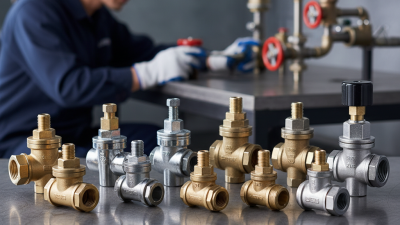
Choosing the right lpg hose connector can influence safety, service life, and installation performance across different markets. Global buyers often compare more than price. They examine connector materials, thread compatibility, pressure ratings, temperature limits, sealing methods, and supplier consistency. A brass connector may resist corrosion well, while stainless steel can offer greater durability in demanding environments. Small details matter. A mismatched thread can cause leakage, delays, or costly replacement work.
This guide reviews ten lpg hose connector options for residential, commercial, and light industrial applications. Each product should be assessed against the hose specification, appliance connection, and local installation requirements. Reliable manufacturers normally provide dimensional drawings, material information, batch traceability, and test documentation. These details help buyers verify claims rather than depend on attractive photographs. Experience also shows that packaging quality matters. A damaged thread or missing seal can compromise an otherwise suitable connector. Not every popular model fits every system. That is easy to overlook.
The selection process considers connection type, sealing performance, corrosion resistance, operating conditions, and practical availability. It also recognizes the needs of distributors who manage different regional standards and replacement cycles. Buyers should confirm compatibility with qualified technicians before installation. Product rankings are useful, but they are not a substitute for technical verification. No ranking is perfect. The best choice depends on the complete system, not the connector alone.
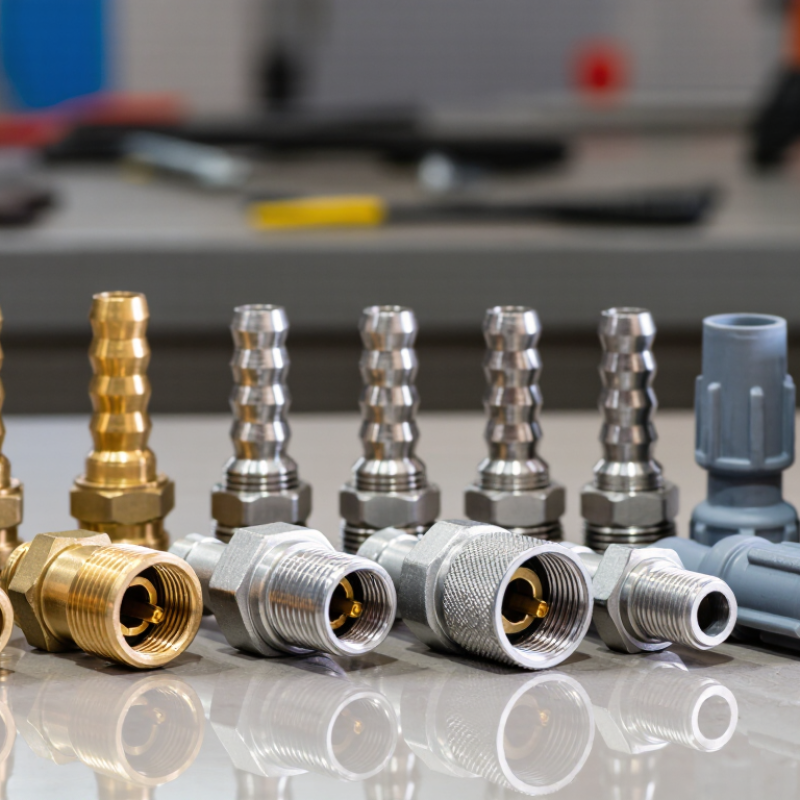
An LPG hose connector is the fitted interface joining a hose to an appliance, cylinder, regulator, or transfer point. It must create a secure seal while matching the hose size, connection type, and intended pressure. A connector that looks close enough may still leak or loosen under vibration. Small parts matter.
The scale is substantial: the World Liquid Gas Association’s Statistical Review of Global LPG, 2023 reports worldwide LPG consumption of about 330 million tonnes in 2022. That figure does not measure connector failures, but it shows why dependable connections matter across homes, food services, and industrial sites.
In practical checks, buyers should verify material compatibility, pressure rating, sealing method, and temperature range against the equipment maker’s specifications. Threads should engage smoothly; seals should sit evenly, without cuts or flattening.
A brief bubble test with approved leak-detection solution can reveal escaping gas after installation. Never use an open flame.
Standards such as EN 16436-2 address LPG hoses and assemblies, but connector suitability still depends on the complete system. Product documents may not answer every installation question.
Confirm details with a qualified technician, and replace damaged or poorly fitting parts rather than forcing them into place.
LPG hose connectors vary by appliance, pressure, and installation layout. Threaded connectors provide a firm, compact joint for fixed equipment, such as heaters or cooking appliances. Their thread form and sealing method must match the hose assembly exactly. A similar-looking thread is not necessarily compatible. Fit matters.
Quick-connect couplings suit equipment that is disconnected for cleaning or storage. Many designs include an automatic shutoff when separated, reducing gas release during routine handling. Check that the coupling is rated for LPG and the intended flow. A stiff release sleeve can be awkward in a cramped kitchen, so access matters too.
Swivel connectors help prevent hose twisting when an appliance moves slightly. Hose-tail fittings connect to compatible flexible hose, but the hose, clamps, and connector must be approved as a complete arrangement. Never rely on appearance alone. Confirm pressure and temperature ratings, seal material, and fitting dimensions against the equipment instructions. After installation, a qualified technician should check for leaks using an approved method. I have found that choosing by convenience alone is tempting; it can miss the less visible details that matter most. Regularly inspect hoses and seals for cracking, wear, or looseness.
A practical comparison of common LPG hose-end connectors and fittings. Names, thread forms, and approved uses vary by country and equipment.
| # | Connector type | Typical connection method | Common applications | Buyer considerations |
|---|---|---|---|---|
| 1 | POL cylinder connector | Threaded connection that commonly screws into a compatible cylinder-valve outlet; versions may have left-hand threads. | Portable LPG cylinders, heaters, cookers, and other appliances in markets where the matching valve system is used. | Confirm thread direction, dimensions, sealing method, and local cylinder-valve requirements. It is not interchangeable with every cylinder connector. |
| 2 | Type 1 / ACME cylinder connector | Hand-tightened nut engages compatible external cylinder-valve threads; a sealing element forms the joint. | Commonly used on portable propane equipment and cylinder connections in North American applications. | Check the exact valve profile, gasket or seal condition, and approved application. Do not assume compatibility based on appearance alone. |
| 3 | Bayonet-style connector | Push-in connection secured by a matching bayonet fitting, usually with a seal and a locking action. | Some regional portable-appliance and cylinder systems, including certain camping and caravan applications. | Bayonet designs differ by region and equipment. Verify the matching inlet, locking arrangement, and permitted use. |
| 4 | Quick-disconnect connector | Male and female coupling halves lock together; some designs include an automatic shutoff when disconnected. | Appliance hose connections, outdoor cooking equipment, and selected service or test arrangements. | Match both halves and confirm whether the coupling is approved for LPG, its pressure rating, and its flow direction. |
| 5 | Hose-tail / barbed fitting | Barbed or ridged stem inserted into a compatible hose and secured with an approved clamp or crimp sleeve. | Hose assemblies connecting regulators, appliances, or fixed pipework where the design permits a hose-tail end. | Hose bore, barb dimensions, material, and retention method must match the hose specification and applicable rules. |
| 6 | Flared-tube hose fitting | A flared tube end is clamped against a matching conical seat by a flare nut. | Appliance and regulator connections in systems designed for compatible flare geometry and thread forms. | Identify the flare angle, tube size, thread, and seat type. A flare fitting should not be sealed with thread tape at the flare seat. |
| 7 | Compression fitting | A nut compresses a ferrule around compatible rigid tubing to create a mechanical seal. | Some LPG installations use approved compression fittings on tubing; suitability depends on the system design and local code. | Use only with the specified tubing and fitting system. Confirm approval for LPG service, pressure, and installation location. |
| 8 | Threaded pipe-end adapter | Male or female tapered or parallel pipe threads connect the hose assembly to a compatible regulator, manifold, or appliance port. | Fixed or semi-fixed LPG installations and hose assemblies with threaded equipment ends. | Determine thread standard, size, gender, and sealing method. Similar-looking thread forms may not be compatible. |
| 9 | Regulator inlet connector | A cylinder-side connector is integrated with or attached to an LPG regulator inlet. | Portable cylinder-to-regulator assemblies supplying appliances at regulated pressure. | Choose for the specific cylinder valve and regulator design. Check gas type, inlet pressure limits, and required regulator performance. |
| 10 | Swivel hose-end fitting | A rotating nut or swivel section joins the hose end to a compatible threaded port while helping reduce hose twisting during installation. | Appliance, regulator, and manifold hose assemblies where access or hose routing makes a swivel useful. | Confirm thread and seat compatibility, pressure rating, sealing arrangement, and that the swivel is specifically rated for LPG. |
Selection note: LPG connector compatibility is determined by the complete system—not by connector type alone. Verify the appliance and cylinder interfaces, gas and pressure ratings, hose specification, and applicable local standards. Installation, leak testing, and maintenance should follow local regulations and qualified guidance.
How to Compare the Top 10 LPG Hose Connectors
A useful comparison starts with fit, not appearance. Check the connector type, thread size, sealing method, and hose diameter against the appliance and regulator specifications. A fitting that looks close may still leak or loosen under vibration. Measure the hose and inspect the mating surfaces; small details matter. Also confirm the connector’s stated gas compatibility and working-pressure rating. Where available, look for test documentation tied to a recognized standard, such as EN 16436-1 for LPG hose assemblies. Do not treat a standard reference as proof that every connector in a product range has been certified.
Compare materials and construction next. Look for corrosion-resistant metal, cleanly machined threads, and a secure hose-retention feature. Ask suppliers for pressure-test records, temperature limits, and traceability details. The World LPG Association’s 2023 Statistical Review reports global LPG demand at about 332 million tonnes in 2022, illustrating the scale and variety of supply needs. That figure does not rank connectors; it does underline why clear specifications matter across markets. A compact connector can be convenient in a crowded cabinet, but access for inspection may suffer. Some product pages leave this unclear. Compare installation space, replacement availability, and warranty terms alongside price, then have a qualified technician verify the selected assembly before service.
LPG hose connectors must match the appliance, hose, and operating conditions—not just the thread size. Buyers should check the required gas type, working pressure, temperature range, and connection profile. A fitting that looks close may still seal poorly. Small gaps matter.
Safety standards vary by destination and equipment category, so confirm the applicable certification and documentation before ordering. Ask suppliers for pressure ratings, material specifications, and test records. Brass connectors resist corrosion in many ordinary settings, while stainless steel can suit harsher environments. Seals and hose liners also need to be compatible with LPG. The metal alone does not make a connector safe.
Inspect each assembly for clean threads, firm crimps, and undamaged sealing faces. After installation, a qualified technician should perform the prescribed leak test; never use an open flame. Keep dust caps on spare fittings during storage. It is tempting to rely on familiar-looking parts, but appearance proves very little. Even careful checks can miss a mismatch, so verify the exact fitting standard and equipment requirements before purchase.
Selecting an LPG hose connector starts with compatibility, not appearance. Check the hose’s inner diameter, thread type, and connection method against the appliance and supply equipment. A connector that almost fits is not a safe fit. Confirm its rated pressure and intended gas service using the product documentation. Requirements can differ by country and installation, so ask a qualified gas professional when details are unclear.
Material matters. Brass connectors resist corrosion in many settings, while suitable steel options may be used in other applications. Consider temperature, outdoor exposure, vibration, and how often the connection will be handled. Look for clear markings, traceable specifications, and instructions from the manufacturer. A low purchase price can be tempting, but it tells you little about service life. I have seen buyers focus on thread size and overlook operating conditions; that is an easy mistake to repeat.
Tips: Before ordering, compare connector dimensions with the hose and equipment manuals. Check seals for cuts or flattening, and replace damaged parts rather than improvising a repair. After installation, a qualified person should verify the connection using an approved leak-checking method. Never rely on smell alone. Keep spare connectors dry and protected from dirt, and record their specifications for future replacement. One detail is easy to miss: a connector may appear sound while its seal is worn, so inspect it regularly.
Comparison of commonly encountered LPG hose-end thread formats by nominal thread size. Thread dimensions are reference values only; the connector must match the local gas standard, hose assembly, sealing method, working pressure, and certification requirements.
For global use, do not select a connector by diameter alone. Confirm thread form, pitch, handedness, sealing surface, hose bore, material compatibility, and regional approval before purchasing or assembling an LPG hose connection.