
In the fast-evolving packaging industry, the significance of Filling Capping Machines cannot be overstated. These machines play a crucial role in ensuring efficiency and accuracy in packaging processes. According to a recent industry report by Grand View Research, the global filling machine market is projected to reach $6.41 billion by 2025, highlighting the growing demand for advanced machinery in food, beverage, and pharmaceutical sectors.
Filling Capping Machines not only enhance productivity but also reduce labor costs. With automation becoming a standard, companies are increasingly investing in these technologies. A survey from Packaging Machinery Manufacturers Institute indicates that 70% of manufacturers are upgrading to automated filling and capping solutions to meet rising consumer demands. However, the challenge lies in selecting the right machine.
Market options vary significantly. Each Filling Capping Machine comes with its unique features, specifications, and price points. Businesses must assess their production requirements carefully. Not all machines will suit every application. Despite advancements, some machinery may underperform or lead to unexpected downtimes. Understanding these aspects is vital for making informed decisions in the long run.
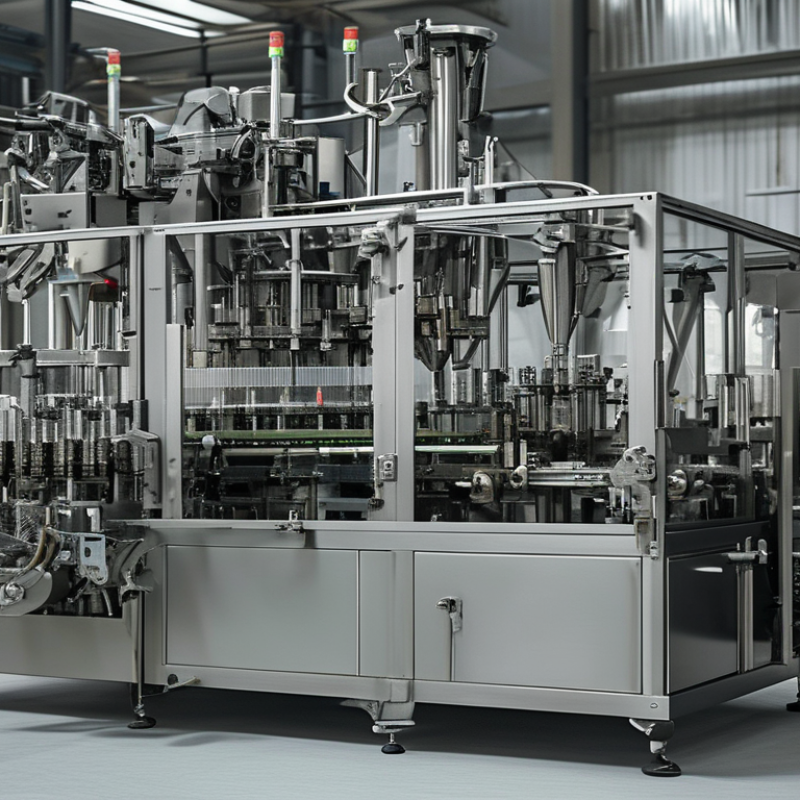
Filling capping machines play a critical role in the manufacturing process across various industries. They are designed to efficiently fill and cap products, ensuring that they are securely sealed. According to industry reports, the global filling and capping machine market is projected to reach $5 billion by 2025, reflecting a growing reliance on automation in production.
The importance of these machines lies in their ability to enhance productivity and maintain product integrity. For instance, high-speed machines can fill thousands of bottles per hour. This reduces labor costs and minimizes human error. However, inconsistent machine performance can lead to product wastage and inefficiencies.
Tips for choosing the right machine include assessing your production volume and the type of containers used. It's crucial to understand the specific requirements of your products. Regular maintenance is vital; neglected machines can result in costly downtimes. Monitoring machine calibration ensures precise filling. Investing time in staff training can also improve operation and reduce accidents.
Filling machines play a crucial role in the packaging industry. They vary in design and technology, tailored to specific needs. Understanding the types available is essential for making an informed choice.
Gravity filling machines use the force of gravity to dispense liquid products. These machines work well for free-flowing liquids. However, they may not be ideal for thicker substances. On the other hand, pressure filling machines push the product into the containers. This method is effective for thicker liquids but can lead to spills if not managed properly.
Volumetric filling machines measure and fill products based on volume. They offer high precision and can handle a variety of products. Yet, calibration is vital for accuracy. Auger filling machines are specific for powders, but they can struggle with clumping issues. Each machine type comes with advantages and drawbacks. It's crucial to assess these aspects based on your production needs.
This chart illustrates the top filling capping machines used in various industries along with their application percentages.
Capping machines are essential in various industries, especially in food and beverage, pharmaceuticals, and cosmetics. They ensure secure sealing of containers, which is crucial for maintaining product integrity. Various techniques are available, such as screw capping, snap capping, and pressure-sensitive labeling. Each technique has its unique applications and benefits.
Screw capping is widely used for glass and plastic bottles. A report from the Packaging Machinery Manufacturers Institute (PMMI) indicates that approximately 90% of products in liquid form use screw caps. This method ensures a tight seal that prevents leakage.
On the other hand, snap capping is common for products like sauces and condiments. This technique allows for quick access while still maintaining an airtight seal.
Pressure-sensitive capping is another technique on the rise. A study by MarketsandMarkets predicts a growth rate of 5.2% in this market by 2025. This method involves applying labels that adhere with pressure, offering both aesthetic appeal and security.
Each technique presents different challenges, such as adjusting to various bottle sizes and types. Exploring these methods highlights both their effectiveness and limitations within different production environments.
When choosing filling capping machines, certain features are paramount. Reliability and accuracy are crucial. Machines must provide precise filling volumes to minimize waste and ensure product consistency. Adjustable settings allow for flexibility in production. The ability to handle various container shapes is also essential.
Another important aspect to consider is maintenance. Some machines require frequent servicing, adding to downtime. It is wise to choose a machine that offers easy access for cleaning and repairs. Ensure that replacement parts are readily available. A reliable source or supplier enhances overall experience.
Moreover, consider the machine's compatibility with existing production lines. A seamless integration features smoother workflows and higher efficiency. Operators' ease of use cannot be overlooked. Training should be straightforward, minimizing the learning curve. Reflecting on these elements will yield a more suitable selection for your production needs.
When exploring filling capping machines, it’s essential to consider top brands and models. This market segment boasts reliability and innovative designs. Popular machines often excel in various applications, from beverages to pharmaceuticals.
Quality machines streamline production, enhance efficiency, and maintain accuracy. An efficient capping machine should accommodate different bottle sizes and shapes. Flexibility is crucial for adjusting to varying production needs. Operators should look for easy-to-use controls for quick adjustments.
Tips: Always assess the machine's maintenance requirements. Regular servicing can prevent unexpected downtime. It’s wise to review user feedback on ease of operation. The experience of others highlights potential flaws you might encounter.
Another aspect to consider is machine compatibility with existing setups. Sometimes, a new machine may not seamlessly integrate. Planning for installation can save future headaches. Evaluate the learning curve for staff as well. Training may be necessary for all operators to ensure smooth transitions.
