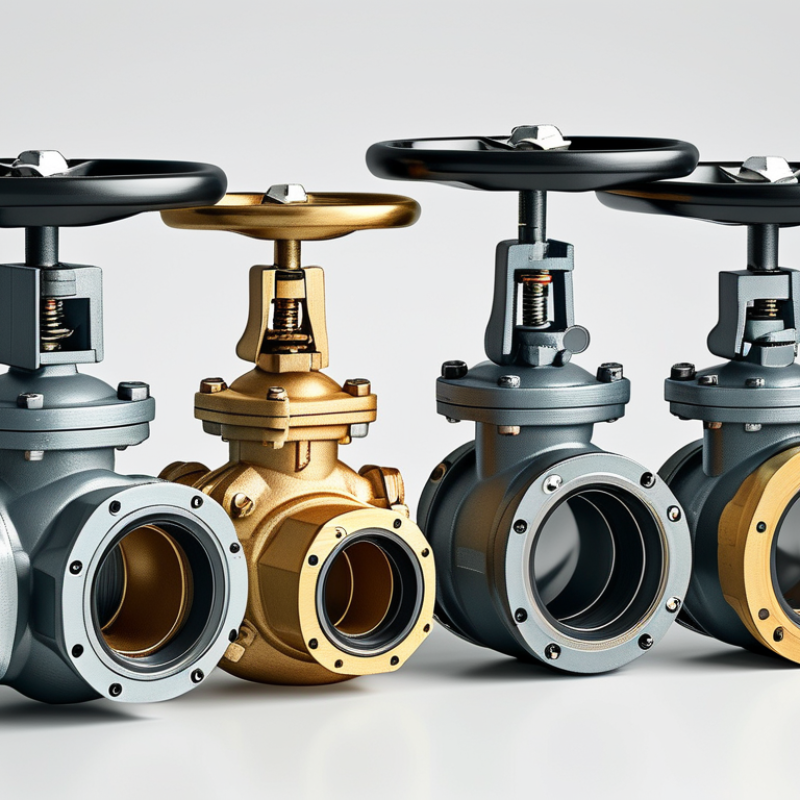
Top 3 Tips for Choosing the Right Butterfly Valve
Choosing the right butterfly valve can significantly impact the efficiency of your system. Understanding the different features and types is essential. There are many options available, and the right choice can seem overwhelming. This is where the “3 In Butterfly Valve” concept comes into play.
Evaluate your specific needs first. Consider factors like flow control, pressure requirements, and material compatibility. These aspects can make or break the system's performance. Manufacturers often claim superior quality, but it is crucial to verify this with real-world applications and user feedback.
Lastly, always consult with professionals when in doubt. Experience is vital, and a knowledgeable expert can guide your decision-making process. Selecting a valve might appear straightforward, but small mistakes can lead to significant issues later. Remember, an informed choice today will save you time and resources tomorrow.
Understanding the Basics of Butterfly Valves and Their Applications
Butterfly valves are widely used in various industries due to their efficient, simple design. They are primarily employed in applications that require flow regulation or isolation, including water supply, wastewater treatment, and chemical processing. A recent industry report noted that the global butterfly valve market is expected to grow at a compound annual growth rate (CAGR) of 5.7% from 2021 to 2026. This indicates a rising demand for reliable and efficient valve systems.
Understanding the basics of butterfly valves is essential for effective selection. These valves operate using a disk that rotates around a central axis. The design allows for quick opening and closing, making them ideal for on-off applications. However, their suitability can vary depending on the fluid characteristics. For instance, high-viscosity fluids may create challenges, impacting the valve's performance and lifespan. Selecting the right materials is crucial to avoid corrosion, especially in chemical applications.
While butterfly valves offer many advantages, potential drawbacks must be acknowledged. Their sealing capability may not match that of gate or globe valves. An improperly selected valve can lead to leaks, inefficiencies, or system failures. A comprehensive understanding of the fluid dynamics and operational context is vital. Proper training and knowledge sharing among staff can enhance decision-making and maintenance practices, ensuring long-term reliability in valve performance.
Identifying Key Factors for Selecting a Suitable Butterfly Valve
Choosing the right butterfly valve involves understanding a few key factors. The first aspect to consider is the valve size. Butterfly valves come in various sizes, impacting flow rates and fit. A valve too large can cause inefficiencies, while one that's too small may lead to pressure loss. Pay close attention to your system's requirements for optimal performance.
Material choice also plays a vital role. Butterfly valves are typically made from metal or plastic. The selected material must withstand your working environment, including temperature and chemical exposure. Using the wrong material can lead to premature failure or leaks. It’s essential to assess your application thoroughly.
Lastly, consider the valve's pressure rating. Ensure that it meets or exceeds the conditions your system operates under. A mismatched valve could result in operational issues. Reflect on the function and longevity of the valve. The right decisions can prevent costly repairs or replacements in the future. Taking these details into account will help you select a suitable butterfly valve for your needs.
Top 3 Tips for Choosing the Right Butterfly Valve
| Key Factor | Description | Considerations |
| Size | Determine the appropriate diameter for flow requirements. | Consider pipe size and flow rate specifications. |
| Material | Select materials compatible with the fluid type and temperature. | Assess corrosive properties and operating conditions. |
| Actuation | Choose between manual, electric, or pneumatic actuation. | Evaluate control requirements and response time. |
Comparing Different Types of Butterfly Valves and Their Features
When it comes to butterfly valves, understanding the different types is crucial. There are three main types: resilient seated, metal seated, and high-performance butterfly valves. Each type offers unique features that cater to various applications. Resilient seated valves are suitable for water and wastewater treatment. They provide excellent sealing and lower operating costs. A report from the Valve Manufacturers Association shows they account for over 40% of the market.
Metal seated butterfly valves are designed for high-temperature and high-pressure applications. They offer durability and longevity. According to industry standards, they can handle temperatures up to 400°F. However, they may require more maintenance than other types. This aspect can be a point of reflection for operators focusing on long-term efficiency.
High-performance valves are versatile. They are often used in chemical processes and steam applications. These valves are designed for optimal flow and reduced turbulence. However, the initial investment is typically higher. This can lead to concerns about their cost-effectiveness over time. Balancing initial costs with long-term efficiency is essential for decision-makers. Each type has its advantages and challenges, making careful consideration vital.
Evaluating Material Options for Durability and Compatibility
When selecting a butterfly valve, material options play a crucial role in ensuring durability and compatibility. A recent industry study revealed that the material choice can impact valve performance by up to 30%. Common materials include stainless steel, PVC, and cast iron. Each has unique advantages and limitations. For instance, stainless steel is highly resistant to corrosion, making it suitable for harsh environments. However, it may be more costly than other options.
Compatibility with the system is essential. For example, PVC valves are lightweight and cost-effective but have limitations regarding temperature and pressure. The chemical composition of the fluid also affects material selection. According to a report by the Valve Manufacturers Association, nearly 25% of valve failures stem from improper material selection. This statistic underscores the importance of understanding the operating environment when choosing a valve.
Evaluating the environmental factors is necessary yet complex. Extreme temperatures or exposure to chemicals can degrade certain materials over time. Users must consider not only short-term costs but also long-term reliability. Engaging with experienced engineers can provide insights into material performance trends. Ultimately, careful material evaluation is key to optimizing valve life and ensuring operational efficiency.
Considering Sizing and Installation Requirements for Optimal Performance
When selecting a butterfly valve, sizing and installation requirements are crucial for achieving optimal performance. Proper valve sizing ensures that the system operates efficiently. According to a report by the American Society of Mechanical Engineers, improperly sized valves can reduce system efficiency by up to 30%. An accurate flow calculation is essential to match the valve size with the application's demand.
Installation reflects the chosen valve's effectiveness. Misalignment during installation can lead to premature wear. Data from the Valve Manufacturers Association suggests that nearly 25% of valve failures stem from improper installation. Employing best practices ensures that the valve functions correctly and lasts longer. Regular maintenance checks can help mitigate wear, guaranteeing reliable service.
Addressing specific needs is vital—consider material compatibility and pressure requirements. Different environments, such as corrosive or high-temperature settings, require unique considerations. Neglecting these factors may result in unexpected failures. Investing time in understanding these requirements prepares teams for challenges ahead, emphasizing the need for a comprehensive approach in the selection process.