What is Polyurethane Foam Sealant and Its Benefits?
Polyurethane foam sealant is a versatile product widely used in construction and home improvement. According to Dr. Emily Carter, a renowned expert in building materials, "Polyurethane foam sealant offers superior insulation and air sealing capabilities." This sealant expands on application, filling gaps and cracks efficiently. As a result, it not only enhances energy efficiency but also contributes to structural integrity.
Many homeowners and builders may overlook the benefits of polyurethane foam sealant. Its quick application and long-lasting performance can significantly improve energy savings. However, proper installation is crucial. If not applied correctly, it can lead to issues such as over-expansion or improper adhesion. Users should carefully consider the environment and surface conditions before application.
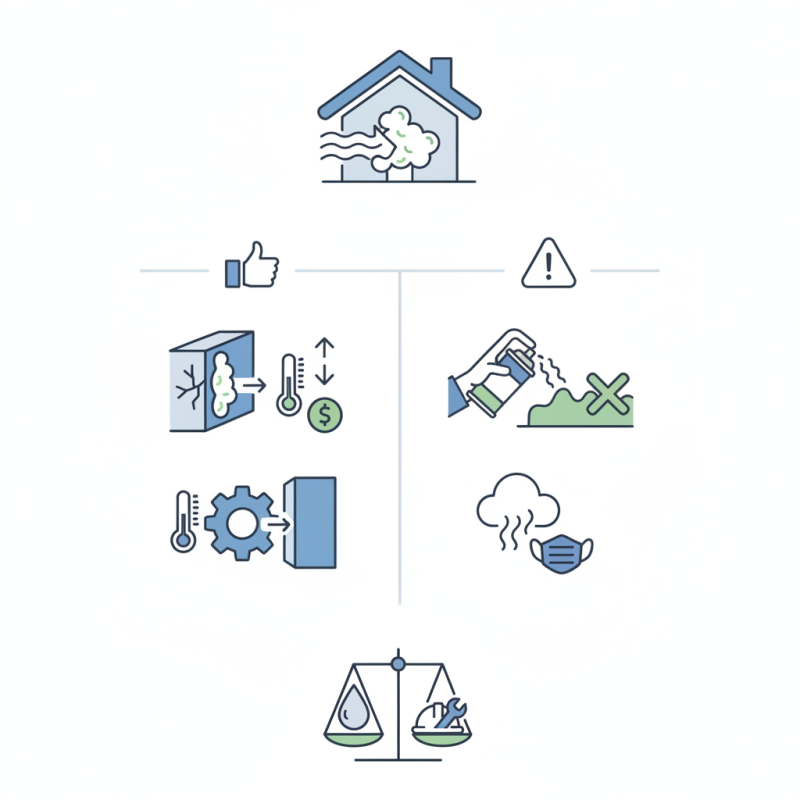
In addition, the use of polyurethane foam sealant requires proper safety measures. While it is effective, the fumes can be harmful without adequate ventilation. Awareness of these potential downsides can lead to better practices in its application. Overall, polyurethane foam sealant stands out for its effectiveness, but caution and professional guidance are recommended.
What is Polyurethane Foam Sealant?
Polyurethane foam sealant is a specialized material used in construction and insulation. It comes in a canister and expands upon application. This versatility makes it ideal for filling gaps, cracks, and spaces in various structures. According to a report by the American Institute of Architects, polyurethane foams can improve thermal insulations by up to 50%. This significant increase means less energy loss during heating and cooling.
The properties of polyurethane foam sealant contribute to its effectiveness. It adheres well to different surfaces, including wood, metal, and masonry. Additionally, its resistance to moisture helps prevent mold growth, essential for maintaining a healthy environment. However, improper application can lead to overspill or difficulty in removal. Training and understanding techniques are crucial for maintaining its benefits. A study from the Building Research Institute pointed out that users often underestimate the importance of surface preparation.
While polyurethane foam sealant boasts many advantages, it is not without challenges. Environmental concerns arise during production due to volatile organic compounds (VOCs). Additionally, some users may experience allergic reactions. Research from the National Institute for Occupational Safety and Health emphasizes the need for safety measures when working with this sealant. These factors highlight the need for careful consideration before use in construction or home improvement projects.
What is Polyurethane Foam Sealant and Its Benefits?
| Feature | Description | Benefits |
| Material Composition | Polyurethane is a versatile polymer made from a chemical reaction between polyols and isocyanates. | Durable and resilient, offering long-lasting seal. |
| Application | Used for sealing gaps, joints, and cracks in construction and insulation applications. | Enhances energy efficiency and reduces air leaks. |
| Expansion Factor | Expands on application to fill spaces completely. | Creates a better seal and prevents drafts, insects, and moisture penetration. |
| Curing Time | Generally cures in 24 hours, with full strength developed over a few days. | Quick application time, allowing for fast project completion. |
| Thermal Resistance | Provides high thermal insulation values. | Reduces heating and cooling costs by improving energy efficiency. |
| Water Resistance | Resistant to moisture and water damage. | Protects structures from water infiltration. |
Composition and Types of Polyurethane Foam Sealant
Polyurethane foam sealant is a versatile product often used in construction and home improvement. Its unique composition makes it suitable for a variety of applications. Typically, it contains a polyurethane compound, which expands upon application. This foam forms a strong, durable bond that can withstand weather elements.
There are two main types of polyurethane foam sealants: regular and low-expanding. Regular polyurethane expands rapidly, filling larger gaps effectively. This type is ideal for windows and doors. Low-expanding foam is more controlled and suits interior applications better. It reduces the risk of over-expansion, which can lead to structural issues if not monitored.
Choosing the right type of sealant is essential. The wrong choice can result in ineffective sealing, leading to energy loss or water damage. It’s crucial to consider the specific needs of your project before application. Understanding these nuances can help in achieving a successful seal, making it a reliable choice for many DIY enthusiasts and professionals alike.
Benefits of Using Polyurethane Foam Sealant
Polyurethane foam sealant is becoming a popular choice for various sealing needs. Its versatility is impressive. This expanding foam fills gaps and cracks effectively, creating an airtight seal. It’s moisture-resistant and durable, making it suitable for indoor and outdoor applications. Many homeowners appreciate its ability to reduce energy costs by preventing drafts.
Another significant benefit is its ease of use. Users can apply it with minimal tools. The foam expands upon application, conforming to uneven surfaces. This feature makes it ideal for sealing around windows, doors, and pipes. However, users must pay attention to the curing time, as it can vary based on conditions. Proper ventilation is crucial during application to avoid inhaling fumes.
While polyurethane foam sealant offers numerous advantages, caution is needed. Improper application can lead to messy results. It can be challenging to remove once cured. Users should practice precision to avoid excess foam. This material also requires careful handling due to its strong adhesive properties. By taking these considerations into account, homeowners can fully enjoy the benefits of polyurethane foam sealant.
Benefits of Using Polyurethane Foam Sealant
Common Applications of Polyurethane Foam Sealant
Polyurethane foam sealant is a versatile material with numerous applications. It expands upon application, filling gaps and providing excellent insulation. This unique property makes it valuable in various settings, such as home construction and renovation projects. Whether sealing windows, doors, or creating air-tight spaces, this foam enhances energy efficiency.
In commercial settings, polyurethane foam sealant is used for insulation and soundproofing. Factories and warehouses benefit from reduced noise levels, contributing to a more comfortable working environment. Additionally, it finds use in plumbing and HVAC systems, where sealing air ducts ensures performance efficiency. Yet, the application requires careful handling. Overuse can create unwanted pressure in structures, leading to damage.
DIY enthusiasts often utilize this sealant for personal projects. However, improper use can result in aesthetic issues or ineffective sealing. Always follow guidelines to avoid excess foam buildup. Finding the right balance between function and appearance remains a challenge. Proper training in application techniques can enhance results and reduce mistakes.
Comparison with Other Sealant Types
Polyurethane foam sealant stands out in the world of sealants due to its unique properties. It expands upon application, filling gaps and crevices effectively. This ability to conform to irregular shapes makes it a reliable choice for various projects. But how does it compare with other sealant types?
Silicone sealants are another popular option. They excel in flexibility and weather resistance, making them ideal for outdoor use. However, they lack the expansion capabilities of polyurethane foam sealant. Latex sealants, while easy to clean and paint, often do not offer the same level of insulation or sealing power that polyurethane provides.
When selecting a sealant, consider specific needs. Polyurethane foam sealant may not be suitable for every situation. It can be messy if not applied carefully. Additionally, curing time can vary, which may lead to delays in projects. Each sealant type has its strengths and weaknesses that should align with your project requirements. Understanding these nuances helps in making informed decisions.