What is an LPG Hose Connector and How to Choose the Right One
When it comes to working with liquefied petroleum gas (LPG), understanding the components involved is crucial for safety and efficiency. One of the essential elements in any LPG system is the LPG hose connector. This vital component serves as the link between the gas supply source and the appliances or equipment using the gas. Given the importance of this connection, choosing the right LPG hose connector is paramount to ensure leak-free operation and optimal performance.
In this article, we will explore what an LPG hose connector is, its various types, and critical factors to consider when selecting one. As safety is a top priority in any LPG-related activity, knowing the specifications and regulations governing these connectors will empower users to make informed choices. Whether you are a homeowner, a contractor, or an industrial user, understanding the nuances of LPG hose connectors can lead to better decisions, ultimately enhancing the functionality and safety of your LPG applications.
Understanding LPG Hose Connectors: Key Features and Specifications
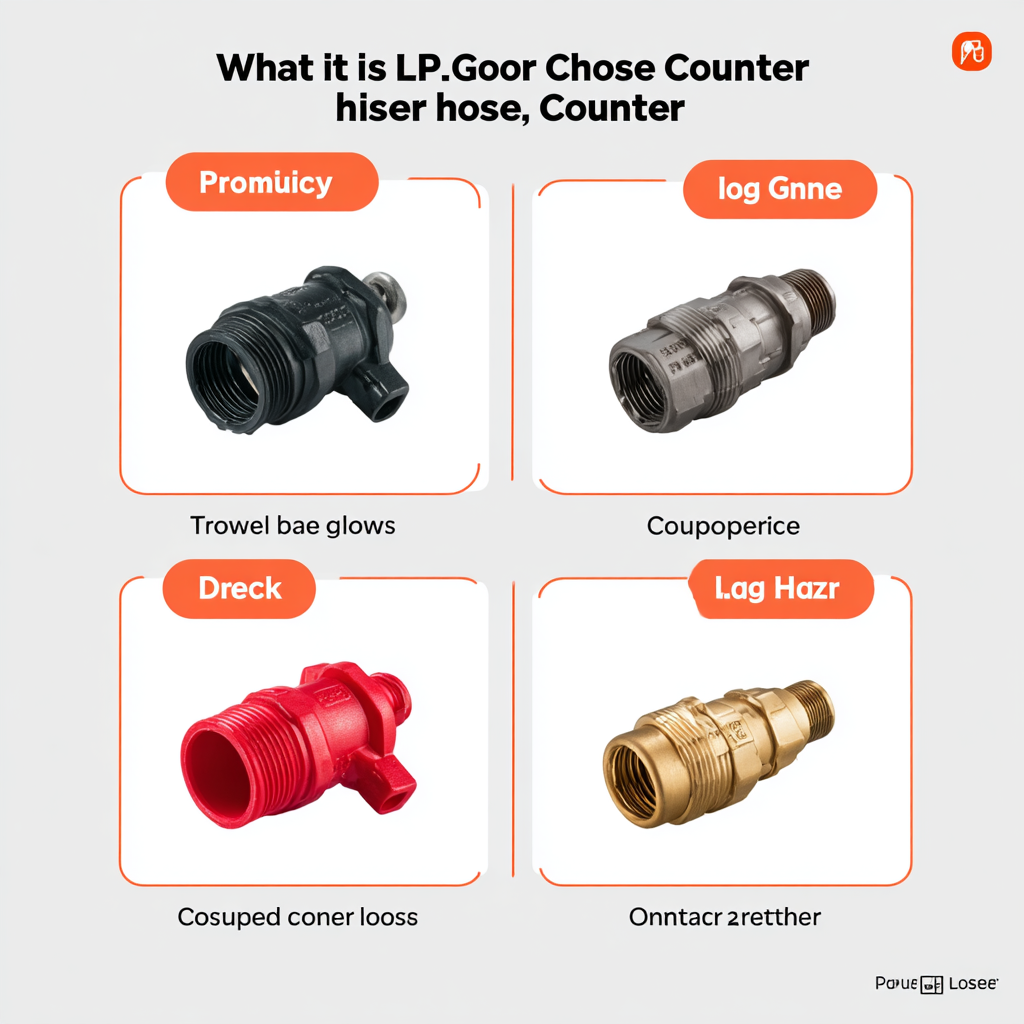
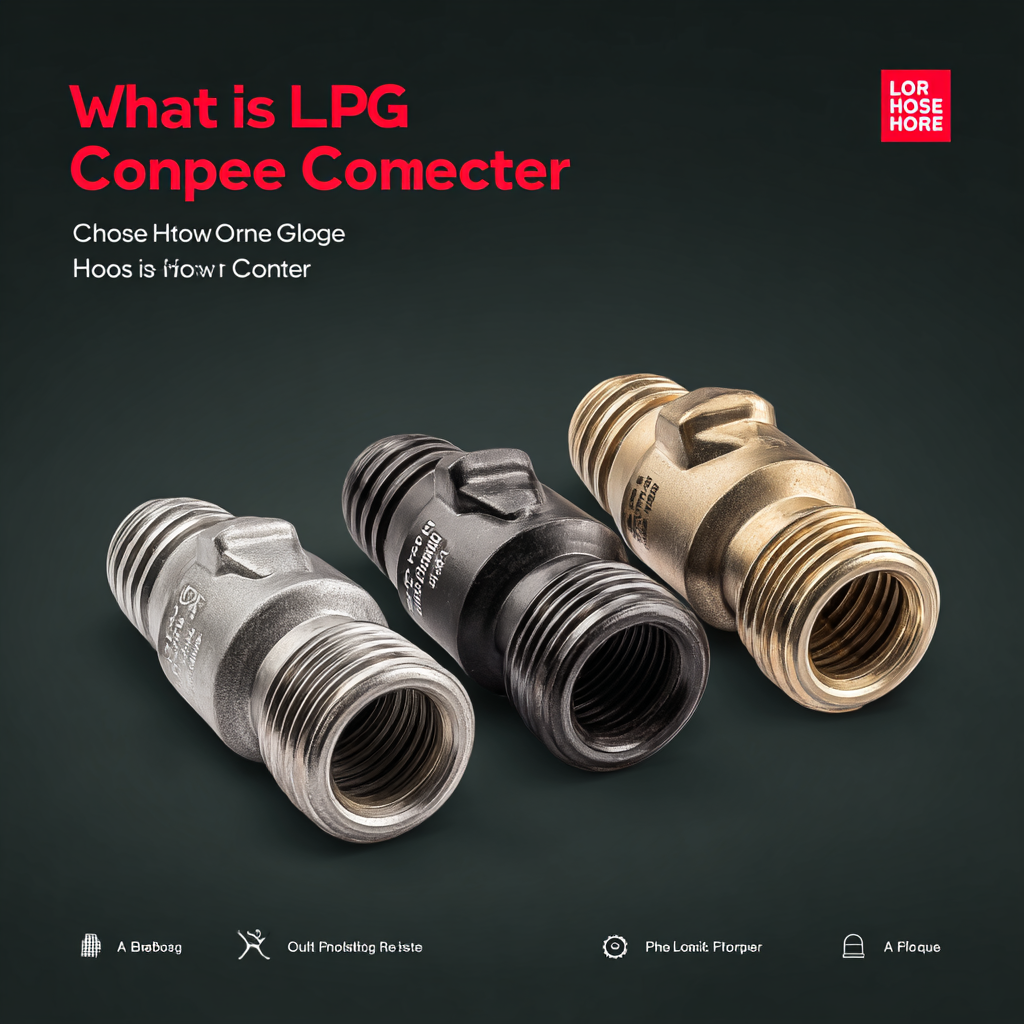
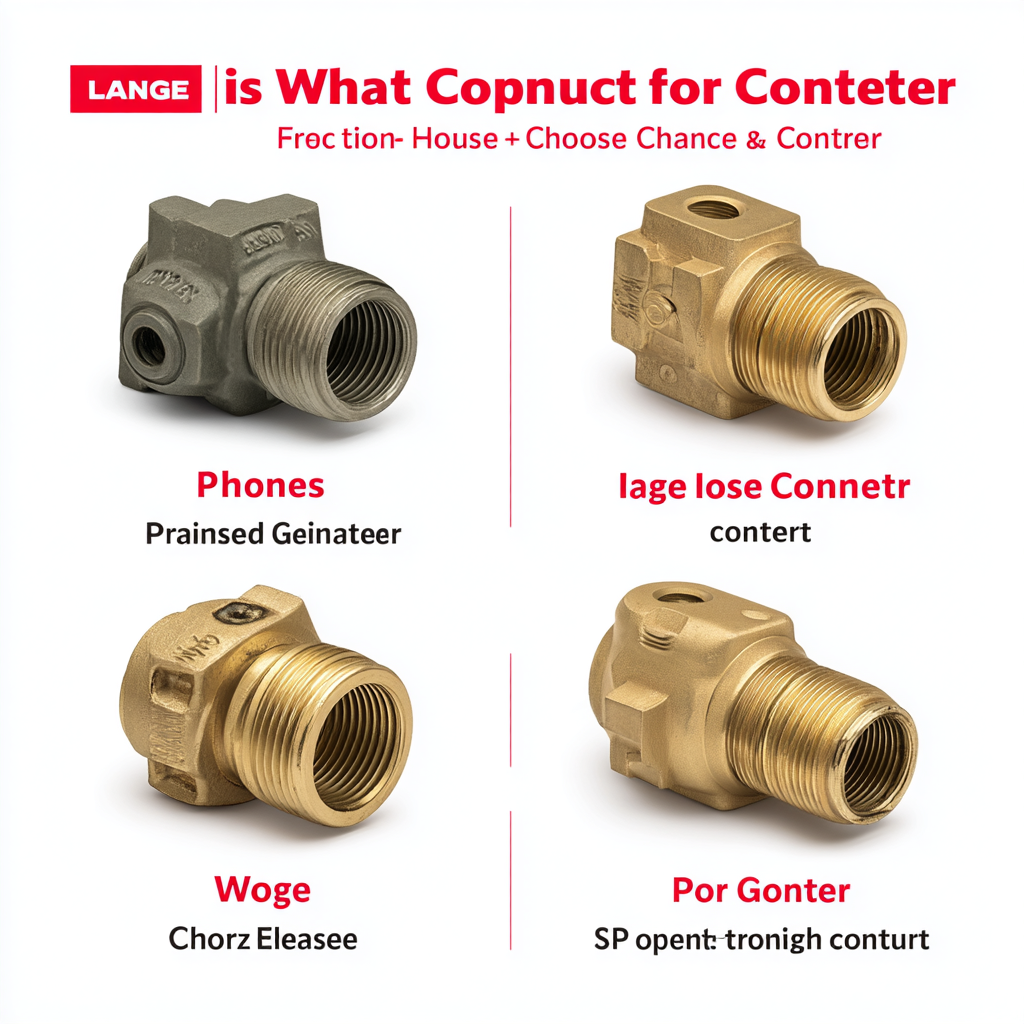
LPG hose connectors are essential components in the safe and efficient handling of liquefied petroleum gas. When selecting the right connector, it’s crucial to understand its key features and specifications. First, consider the material of the connector. Common materials include brass and stainless steel, both of which offer excellent durability and resistance to corrosion. The choice of material can affect the longevity and safety of the connection, particularly in varying temperature and pressure conditions.
Another important specification is the size of the connector, which determines compatibility with your LPG hoses and equipment. Connectors are available in various diameters and thread types, making it important to match them correctly to prevent leaks or failures. Additionally, check for standards compliance, such as ISO or EN specifications, which ensure the connector meets safety and performance requirements. Knowing these features will help you make an informed decision and ensure that your LPG system operates efficiently and securely.
Critical Factors for Selecting the Right LPG Hose Connector in 2025
When selecting the right LPG hose connector in 2025, several critical factors come into play. First and foremost, safety is paramount. Look for connectors that adhere to the latest safety standards and regulations, ensuring they are designed to prevent leaks and withstand high pressure. Materials used in the construction of the connector should be durable and resistant to corrosion, as LPG systems are often exposed to harsh environmental conditions.
Another important consideration is compatibility. Ensure that the connector fits your specific LPG hose and appliance connections seamlessly. Mismatched connectors can lead to operational issues and potential hazards. Additionally, evaluate the ease of installation and maintenance. Some connectors feature quick-release mechanisms or built-in safety features that simplify usage and ensure longevity. By focusing on these critical factors, you can select an LPG hose connector that guarantees both performance and safety in your applications.
What is an LPG Hose Connector and How to Choose the Right One - Critical Factors for Selecting the Right LPG Hose Connector in 2025
| Feature |
Importance |
Material Options |
Compatibility |
Safety Standards |
| Pressure Rating |
Crucial for preventing leaks and failures |
Rubber, PVC, Stainless Steel |
Standard LPG tanks and regulators |
ISO 9001, AS/NZS Standards |
| Connection Type |
Affects ease of installation |
Brass, Aluminum |
Varies with different LPG systems |
CE Marking, UL Certification |
| Temperature Range |
Ensures performance in various climates |
TPU, Nitrile |
Compatible with high and low-pressure systems |
NFPA, DOT Regulations |
| Size Compatibility |
Critical for ensuring a secure fit |
1/4", 3/8", 1/2" |
Standard fittings for LPG hoses |
BSP, NPT Standards |
| Durability |
Prevent future replacements and repairs |
High-density Polyethylene, Steel |
For various weather conditions |
RoHS Compliance |
Industry Standards and Compliance for LPG Hose Connectors Explained
When selecting an LPG hose connector, understanding industry standards and compliance is vital to ensure safety and efficiency. LPG connectors must adhere to specific regulatory requirements, which vary by region. In many countries, connectors must meet standards set by organizations such as the American National Standards Institute (ANSI) or the European Committee for Standardization (CEN). These standards dictate the materials, design, and testing methods that connectors must undergo to be deemed safe for use with LPG.
Compliance with these standards not only guarantees the durability and reliability of the connectors but also mitigates the risk of leaks and potential accidents. Ensure that any LPG hose connector you consider is certified by recognized bodies. Look for markings or certifications on the connector that specify compliance with applicable standards. Additionally, understanding the compatibility of the connector with various hose types and the specific applications can further guide you in making the right choice, enhancing overall safety in handling LPG systems.
Top 10 LPG Hose Connector Brands to Consider and Their Market Share
When considering LPG hose connectors, it's essential to look at the leading brands that dominate the market. The competition among these brands reflects their commitment to safety, quality, and innovative designs. For instance, brands recognized for their expertise offer a wide range of products suitable for various applications, ensuring that consumers can find connectors tailored to their specific needs.
Furthermore, awareness of market share can guide users in selecting reliable products. Prominent brands often provide warranties and tutorials on how to properly install and maintain these connectors, contributing to safer usage in households and industries alike. Recognizing the significance of proper connections, many companies are also investing in safety campaigns and initiatives to enhance consumer knowledge about LPG safety and the importance of using approved connectors.
LPG Hose Connector Market Share
Future Trends in LPG Hose Connection Technology and Materials
The future of LPG hose connection technology is being shaped by advancements in materials and design, aimed at enhancing safety and efficiency in the industry. According to a recent report from the National Fire Protection Association (NFPA), the demand for safer and more durable materials in LPG applications is rising, with projections indicating a 7% annual growth rate in the global LPG market through 2025. This surge in demand has stimulated innovation in the production of LPG hose connectors, incorporating high-performance thermoplastics and composite materials that offer superior resistance to temperature fluctuations and chemical degradation.
Moreover, the integration of smart technology within LPG hose connections is gaining traction. Emerging solutions, such as real-time monitoring systems that utilize IoT (Internet of Things) capabilities, allow for proactive management of LPG connections, ensuring optimal performance and immediate detection of leaks. The International Association of Oil and Gas Producers (IOGP) reports that such technologies could reduce operational risks by up to 30%, emphasizing the need for smarter systems as the industry shifts towards greater digitization. As manufacturers focus on these trends, it is essential for consumers to stay informed about the latest innovations in LPG hose connectors to make well-informed choices that prioritize both safety and efficiency.