What is a LP Gas Valve and How Does It Function?
An LP gas valve plays a crucial role in the safe usage of propane and other liquefied petroleum gases. This component ensures that gas flow is controlled and managed effectively. Understanding its function is vital for both users and technicians. An LP gas valve regulates pressure and directs gas to appliances. Improper handling or failure can lead to serious safety hazards.
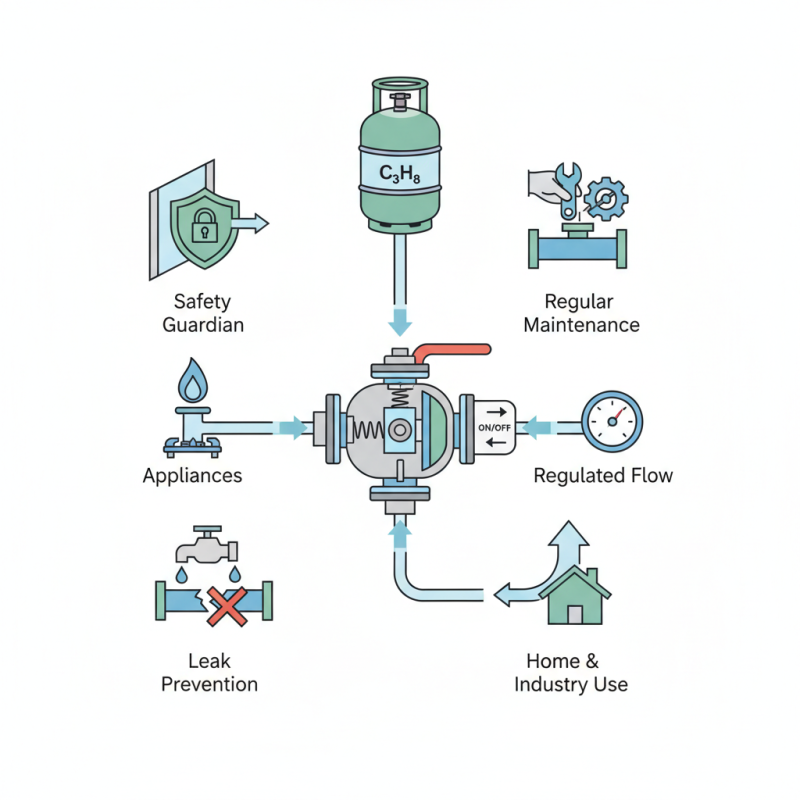
Many may not realize the importance of regular maintenance for an LP gas valve. Over time, these valves can wear down, leading to leaks or malfunctions. Regular checks help prevent dangerous situations. Visualizing a gas valve working is like watching a gatekeeper managing a steady flow. This small device performs a significant duty in our homes and industries.
It’s essential to see the LP gas valve as more than just a mechanical part. It is a guardian of safety in gas-related systems. Each malfunction may reflect a temporary oversight or insufficient knowledge of the valve’s maintenance. Acknowledging the need for vigilance is the first step toward ensuring safety. Understanding the LP gas valve can save lives and protect property.
What is LP Gas and Its Common Applications?
LP gas, or liquefied petroleum gas, is a versatile energy source. It is commonly used in residential heating, cooking, and powering appliances. Many outdoor grills and patio heaters also rely on LP gas. This fuel exists as a liquid under pressure, which makes it easy to transport and store in tanks.
LP gas finds use in many areas. In homes, it can provide heat for water and space. It's popular in rural areas without access to natural gas. LP gas is also crucial in commercial settings. Restaurants often use it for cooking equipment. This gas fuel offers high efficiency compared to electricity.
However, safety should always be a consideration. Improper handling can lead to leaks or accidents. Regular checks on gas lines and valves are essential. Understanding the function of an LP gas valve helps prevent mishaps. Each household should have proper knowledge of this energy source. It's important to be prepared and informed. Safety measures can save lives.
Understanding the Components of a LP Gas Valve
An LP gas valve is essential for regulating the flow of propane or butane. It controls how much gas enters your appliance. Understanding its components can help you ensure safe operations.
The valve typically includes a body, a stem, a seat, and a handle. The body houses the other components and connects to the gas line. The stem moves up and down to open or close the flow. The seat provides a seal when the valve is closed. These parts work together to prevent leaks and ensure proper fuel delivery.
**Tips:** Regularly inspect your valve for wear or damage. Look for cracks or signs of corrosion. A small leak can lead to larger issues. If you're unsure, consult a professional for guidance. Simple maintenance can prevent costly repairs.
It’s crucial to understand how each part functions. If the valve doesn’t close fully, gas can escape. This creates a danger. Sometimes, a bit of hesitation in operation can be normal. Reflect on why you may need to replace the valve. It’s easy to overlook but essential for safety.
What is a LP Gas Valve and How Does It Function? - Understanding the Components of a LP Gas Valve
| Component |
Description |
Function |
| Body |
The main structure that houses the internal components. |
Provides support and containment for valve components. |
| Spring |
A coiled metal piece that applies force to the valve. |
Holds the valve in a closed position until actuated. |
| Diaphragm |
Flexible membrane that separates different chambers. |
Controls the flow of gas by moving in response to pressure differentials. |
| Inlet Port |
Opening where gas enters the valve. |
Allows gas to flow into the valve for regulation. |
| Outlet Port |
Opening where gas exits the valve. |
Directs the regulated gas to the desired location. |
| Adjustment Screw |
A screw that allows for pressure setting adjustments. |
Changes the tension on the spring for precise regulation. |
How Does an LP Gas Valve Operate?
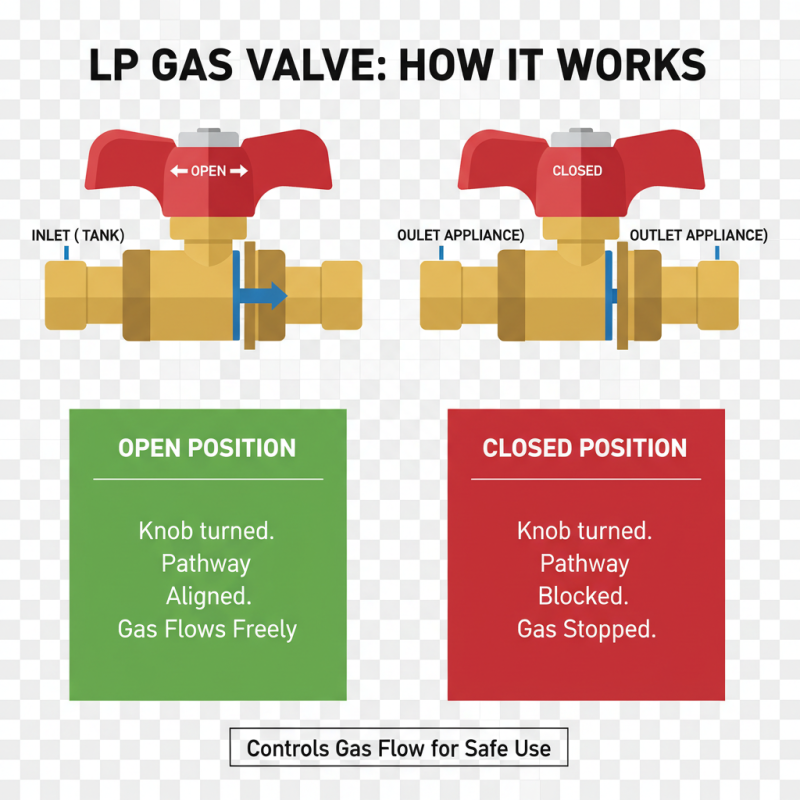
An LP gas valve plays a crucial role in controlling the flow of gas in various applications, from grills to heating systems. Understanding how it operates is essential for safe usage. The valve features a lever or knob that users can turn. When turned, it opens or closes the gas pathway, regulating the flow to the appliance.
One must pay attention to the valve’s position. An open valve allows gas to flow freely, while a closed valve prevents it. This simple mechanism is vital for both functionality and safety. If the valve is closed when an appliance is ignited, gas builds up, posing a danger. Regular inspections of the valve are key to ensuring it functions properly.
Tips: Always check for leaks around the valve's connection. A few drops of soapy water can help. Bubbles indicate a leak. Additionally, ensure the valve is easily accessible. This can save time during emergencies. If you notice any wear or damage, consider replacing the valve promptly. Remember, safety comes first, so regularly reflect on the condition of your LP gas system.
Safety Features of LP Gas Valves
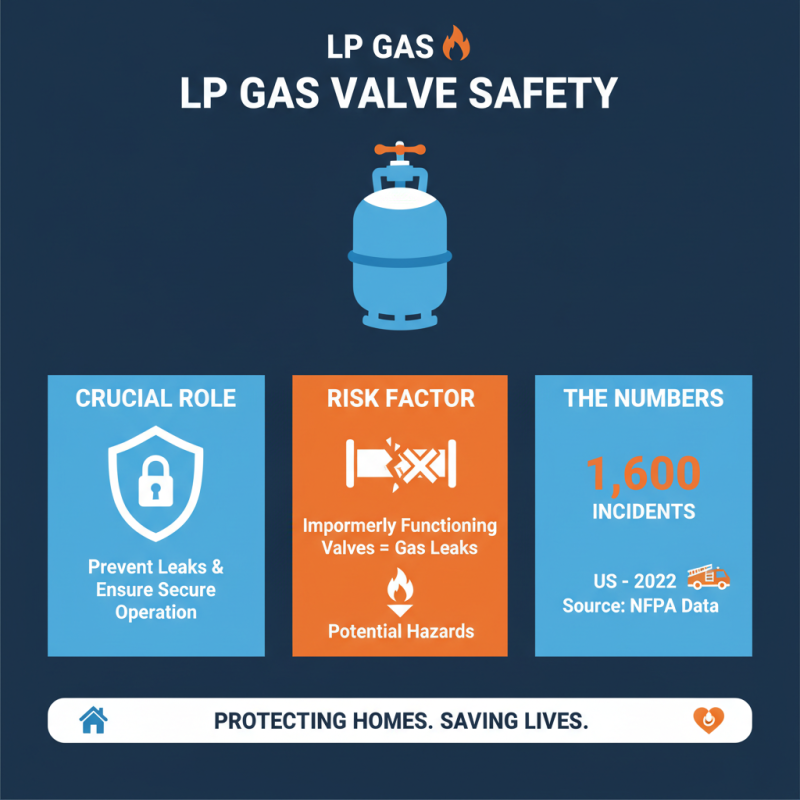
LP gas valves play a crucial role in ensuring safety in systems that utilize liquid propane. These valves are designed with several safety features to prevent leaks and ensure secure operation. Data indicates that improperly functioning valves are a significant cause of gas leaks, leading to potential hazards. According to the National Fire Protection Association, nearly 1,600 incidents related to LP gas occurred in the U.S. in 2022, underscoring the importance of these safety mechanisms.
Among the key safety features are automatic shutoff capabilities and pressure relief systems. Automatic shutoff prevents gas flow when a fault is detected, reducing the risk of fire or explosion. Pressure relief valves also help maintain safe pressure levels in the system. Yet, not all installations use these features effectively. Reports show some valves are poorly maintained, leading to increased risks.
Regular inspections are essential. A significant percentage of valves may show wear or malfunction due to environmental exposure or improper handling. Industry studies reveal that up to 30% of residential LP gas systems might have at least one faulty valve. Addressing these concerns is vital for safety, yet many overlook regular checks. Prioritizing maintenance can significantly reduce potential hazards associated with LP gas usage.
Maintenance and Troubleshooting of LP Gas Valves
Maintaining LP gas valves is crucial for safety and efficiency. Regular checks can prevent leaks and malfunctions. Look for any signs of corrosion or wear. These can affect the valve's performance. Ensure the valve opens and closes smoothly. A stuck valve may indicate an internal issue.
Troubleshooting is essential if you encounter problems. A humming sound might suggest a blockage. Check for debris around the valve openings. If you smell gas, it’s a serious warning. Act quickly and turn off the gas supply. Inspect connections for any loose fittings. Don’t ignore minor issues; they can escalate. Small problems can lead to larger hazards.
Sometimes, maintenance can be overlooked. Regular inspections can be forgotten amid busy schedules. It’s easy to assume everything is fine. However, undetected issues can lead to significant risks. Creating a maintenance schedule can remind you to check valves regularly. This small step can help ensure safety and functionality. Taking care of LP gas valves pays off in peace of mind.
LP Gas Valve Performance and Maintenance Data
This bar chart illustrates the average maintenance issues identified in LP gas valves over the past year. The data reflects the frequency of specific problems and underscores the importance of regular maintenance to ensure proper function and safety.