Understanding the Importance of Propane Shut Off Valves: Safety Tips and Best Practices
In the realm of gas safety, understanding the importance of propane shut off valves is critical for both residential and commercial applications. According to the National Fire Protection Association (NFPA), propane-related incidents result in an estimated 4,400 fires and explosions annually in the United States. This highlights the necessity for effective safety measures, particularly the installation and maintenance of propane shut off valves, which act as a crucial line of defense in controlling gas flow during emergencies.
These valves not only prevent gas leaks but are also instrumental in adhering to safety regulations and standards outlined by the American Society of Mechanical Engineers (ASME). By ensuring proper functioning of propane shut off valves, users can significantly mitigate risks associated with propane systems, thus safeguarding lives and property.
How to Identify the Right Propane Shut Off Valve for Your Needs
When selecting a propane shut off valve, it's vital to understand the specific requirements of your setup. A report from the National Fire Protection Association (NFPA) indicates that nearly 60% of propane-related incidents stem from improper installations or equipment failures, emphasizing the importance of choosing the correct valve. Consider the pressure rating, flow capacity, and compatibility with your existing propane system when making your decision.
**Tips:** Always refer to manufacturer guidelines and consult with a certified propane technician to ensure you're selecting the right valve. Look for valves that meet industry standards, such as those certified by the Underwriters Laboratories (UL), to guarantee reliability and safety.
Additionally, ensure that the valve is easily accessible and that you understand its operation. According to the American Gas Association, a well-placed shut off valve can mitigate risks significantly in emergency situations by allowing for quick isolation of gas flow. It’s also beneficial to regularly inspect the valve and associated piping for any signs of wear or leaks to maintain safety.
How to Properly Install a Propane Shut Off Valve for Maximum Safety
When installing a propane shut off valve, safety is paramount. Begin by selecting a valve that meets local building codes and is compatible with your propane system. Ensure that the installation area is clear and well-ventilated. Before starting the installation, turn off the propane supply to prevent any leaks. Use appropriate tools and wear safety gear, such as gloves and goggles, to protect yourself during the process.
To properly install the valve, first, ensure the pipe threads are clean and in good condition. Apply Teflon tape on the threads to create a secure seal and prevent leaks. When connecting the valve, make sure it is oriented correctly to allow for smooth operation—ensure the handle is positioned where it can be easily accessed. After installation, conduct a thorough leak test using a soapy water solution; bubbles indicate a leak that must be addressed before putting the system back into service. This careful approach helps ensure the safety and reliability of your propane system.
Understanding the Importance of Propane Shut Off Valves: Safety Tips and Best Practices
This chart illustrates the significance of regular maintenance and installation practices for propane shut off valves based on safety metrics. Proper installation and maintenance can greatly reduce the risk of accidents.
How to Maintain and Inspect Your Propane Shut Off Valve Regularly
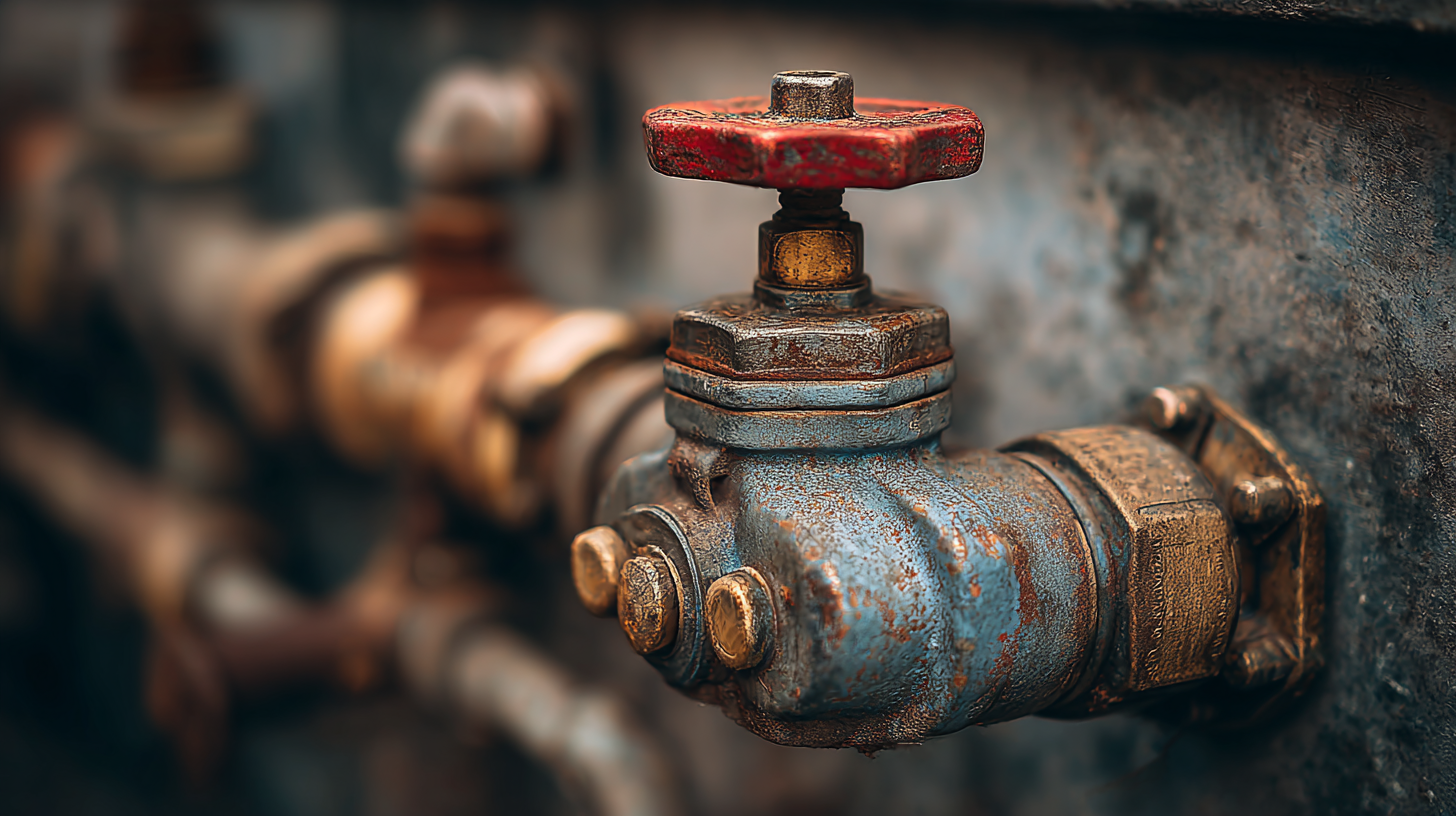
Regular maintenance and inspection of propane shut off valves are essential to ensure safety and effective operation. Begin by visually inspecting the valve for any signs of corrosion, rust, or damage. Pay particular attention to the connections and fittings; if you notice any wear or leaks, it is crucial to address these issues promptly. Ensure that the valve operates smoothly by testing it periodically. When you turn the valve, it should move effortlessly without any resistance.
In addition to visual and functional inspections, it's essential to clean the valve and surrounding area to prevent debris accumulation, which can interfere with its operation. A thorough cleaning can help extend the lifespan of the valve. It is advisable to keep a maintenance log detailing when inspections are conducted and any repairs made, as this can help detect recurring issues early. If you are uncertain about your evaluation capabilities, consider enlisting a professional to conduct a more thorough inspection to guarantee that your propane system remains in optimal condition.
Understanding the Importance of Propane Shut Off Valves: Safety Tips and Best Practices - How to Maintain and Inspect Your Propane Shut Off Valve Regularly
| Inspection Frequency |
Maintenance Action |
Safety Tip |
Check Points |
| Monthly |
Visual Inspection |
Ensure there is no visible damage |
Check for leaks, corrosion, and rust |
| Quarterly |
Functional Testing |
Test the shut off with water |
Ensure valve closes completely |
| Annually |
Comprehensive Inspection |
Replace worn parts immediately |
Check all seals and connections |
| Bi-Annually |
Professional Servicing |
Service by a licensed technician |
Document all findings and repairs |
How to Test Your Propane Shut Off Valve for Proper Functionality
Testing your propane shut off valve is a crucial step in ensuring your safety when using propane appliances. To begin, ensure that all appliances connected to the propane supply are turned off. Next, locate the shut off valve, which is typically found near the propane tank or at the connection point. Once identified, gently turn the valve to the off position and wait a few moments. This allows any residual gas to disperse, ensuring the area is safe for testing.
After allowing the gas to clear, turn the valve back to the open position. To check for leaks, apply a mixture of soap and water around the valve and the connection points. If you observe bubbles forming, it indicates a leak, and the valve should be replaced or repaired immediately. It’s essential to conduct this test regularly and after any significant weather changes, such as strong winds or heavy rain, as these can sometimes affect valve functionality. By following these steps, you can ensure that your propane shut off valve is functioning properly, contributing to a safer environment in your home.
How to Educate Your Family on Propane Safety and Valve Usage
Educating your family about propane safety and the proper use of shut-off valves is crucial for preventing accidents and ensuring a safe home environment. Start by discussing what propane is and its applications in everyday life, such as heating, cooking, and powering appliances. Use simple language to explain how propane works and the importance of being aware of its potential hazards. Emphasizing the role of shut-off valves can help family members understand that these devices are critical for controlling gas flow and can prevent leaks and possible fires.
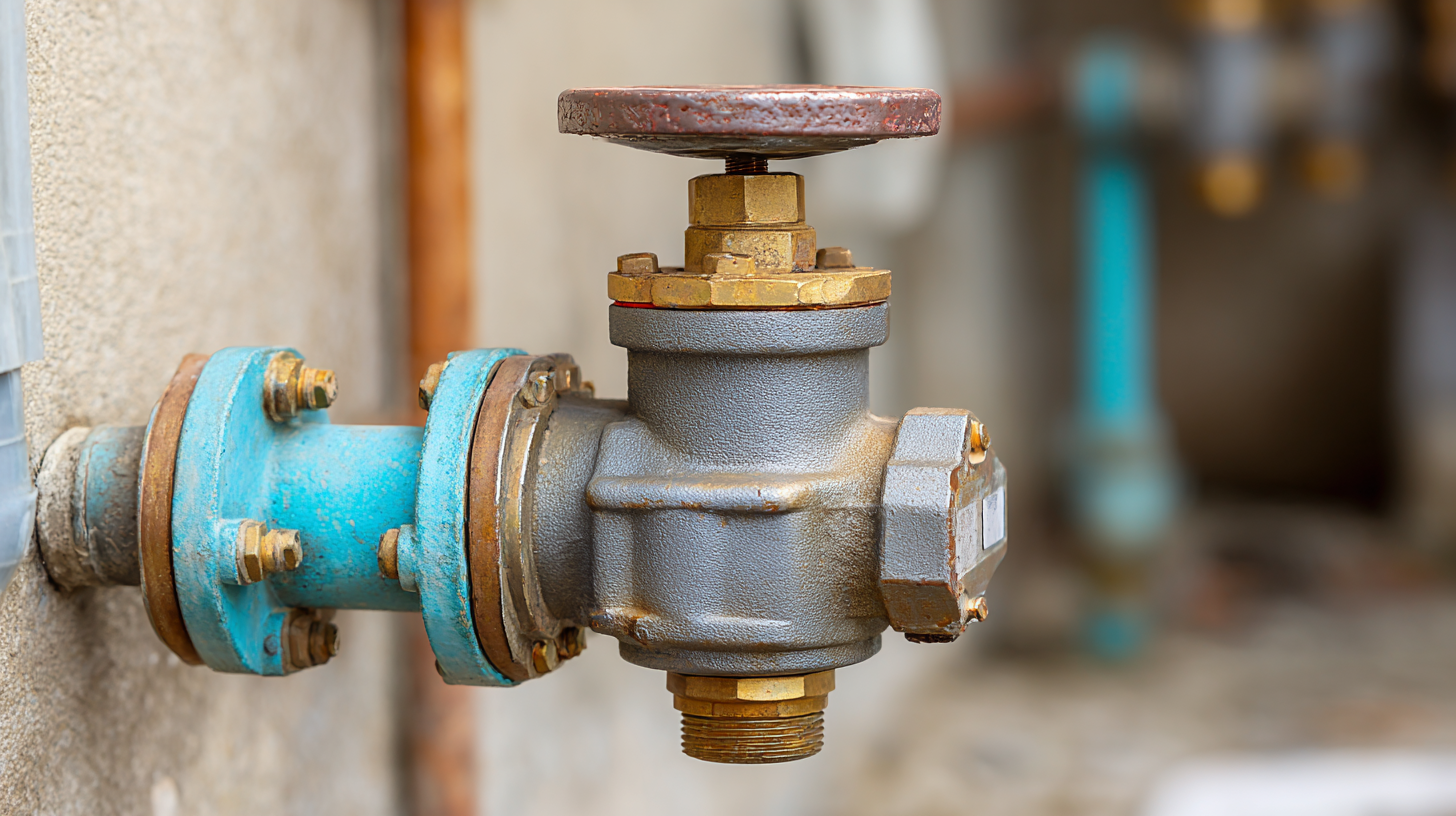
Incorporate hands-on learning by demonstrating how to locate and operate the propane shut-off valve in your home. Make it a family activity by practicing turning the valve on and off while discussing when it is necessary to do so, such as during emergencies or when maintaining appliances. Encourage questions and dialogue to ensure everyone feels comfortable with the process. Additionally, create a family emergency plan that includes steps to take in case of a gas leak, ensuring that all members know how to react swiftly and safely. Through these practices, you can foster a culture of safety and preparedness around propane use.