2026 How to Choose the Right LPG Gas Hose for Your Needs?
Choosing the right LPG gas hose is crucial for safety and efficiency. According to industry expert Mark Jennings, “A suitable LPG gas hose can prevent hazardous leaks and ensure reliable performance.” Understanding your specific needs is key to making an informed decision.
LPG gas hoses come in various materials and sizes. Selecting the wrong type can create risks. For example, a hose that isn’t durable enough may deteriorate quickly under pressure. Also, consider the environment where the hose will be used. Indoor applications often require different specifications than outdoor use.
Many buyers simply pick a hose based on price or availability. This narrow focus can lead to issues later on. It’s essential to evaluate the quality and suitability of the hose carefully. Reflecting on these aspects can help you avoid potential problems. Safety in LPG use is non-negotiable, making the right choice vital.
Understanding LPG Gas Hoses: Types and Specifications
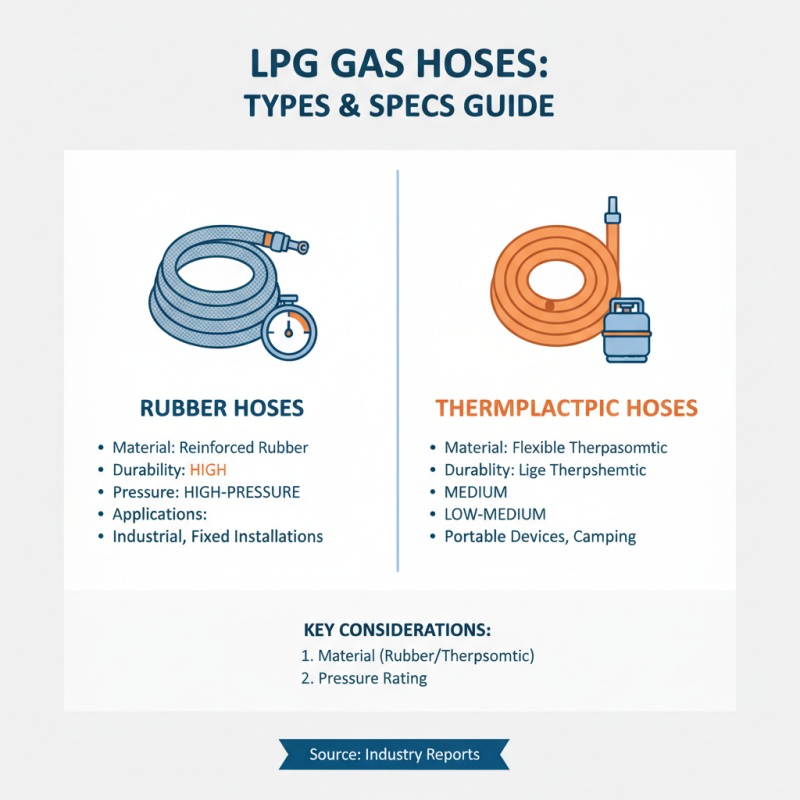
When selecting the right LPG gas hose, understanding the types and specifications is crucial. LPG hoses come in various materials, including rubber and thermoplastic. Each material has its unique characteristics suitable for different applications. According to industry reports, rubber hoses are preferred for high-pressure situations due to their durability. Meanwhile, thermoplastic hoses are lighter and more flexible, making them ideal for portable devices.
Another essential factor is the hose diameter. A larger diameter allows for increased gas flow, which can enhance efficiency in cooking or heating applications. However, larger hoses can also be bulkier. The choice depends on your specific needs. Safety ratings are another critical aspect. Ensure the hose meets industry standards for pressure and temperature. Inadequate hoses can lead to leaks or accidents.
Moreover, longevity is an often-overlooked detail. Many hoses can degrade after prolonged exposure to sunlight or weather elements. Regular inspections and replacements are necessary. This is a crucial point that many users fail to consider until it’s too late. By understanding these specifications, users can make informed choices about LPG hoses that suit their applications and enhance safety.
Key Factors to Consider When Selecting an LPG Gas Hose
Choosing the right LPG gas hose is crucial for safety and efficiency. Key factors influence your decision. Material is one of the most important aspects. High-quality rubber, thermoplastic, or composite materials are commonly used. According to industry reports, hoses made from approved materials often last longer and withstand higher pressures.
Pressure ratings matter. A hose should match the pressure of your gas system. For instance, a typical LPG system might operate around 25-30 mbar. Using a hose rated for lower pressure can lead to failures and safety hazards. Additionally, consider the length of the hose. Too long can cause pressure drop. A perfectly sized hose leads to better performance.
Temperature tolerance is often overlooked. LPG hoses must perform under varying conditions. Some hoses can handle extreme temperatures, from -20°C to 60°C. Investigate how each hose type performs under these conditions. Regular inspections are necessary, too. A small crack can lead to gas leaks. Safety cannot be stressed enough when working with LPG systems.
2026 How to Choose the Right LPG Gas Hose for Your Needs?
This chart illustrates key factors to consider when selecting an LPG gas hose, showcasing the importance of material, length, pressure rating, and temperature tolerance in making an informed decision.
Safety Regulations and Standards for LPG Gas Hoses
When selecting an LPG gas hose, understanding safety regulations is crucial. The hose must meet specific standards, ensuring it can handle high pressures and remain durable. Look for materials that are resistant to abrasion and can withstand tough environments. Different applications might require different specifications, so tailoring your choice to your needs is vital.
Compliance with local safety regulations is non-negotiable. Many regions have guidelines regarding hose types, lengths, and fittings. Inadequate understanding can lead to safety hazards. Regular inspections are important too. Cracks or leaks need immediate attention. A simple visual check can prevent larger issues later. Ignoring these details might save time initially but can result in significant risks down the road.
It’s also essential to consider the environment where the hose will be used. Factors like extreme temperatures or exposure to chemicals can affect hose performance. For instance, a hose may look fine but have hidden weaknesses. Think about potential wear and tear. Reflecting on these aspects can greatly improve safety and reliability in your LPG applications.
2026 How to Choose the Right LPG Gas Hose for Your Needs?
| Hose Type |
Max Pressure (PSI) |
Temperature Range (°C) |
Approved Standards |
Typical Use |
| Rubber LPG Hose |
200 |
-20 to 60 |
BS 3212 |
Residential & Commercial Appliances |
| PVC LPG Hose |
150 |
0 to 40 |
EN 1763 |
Camping & Portable Equipment |
| Flexible LPG Hose |
300 |
-30 to 80 |
ISO 3821 |
Industrial Applications |
| Stainless Steel LPG Hose |
400 |
-50 to 150 |
AS/NZS 1869 |
High-Pressure Systems |
Assessing Hose Compatibility with Various LPG Applications
Choosing the right LPG gas hose is crucial for safety and efficiency. Compatibility with various applications is vital. Different LPG uses demand specific hose materials and dimensions. A commercial kitchen may need a robust hose, while a smaller home grill could suffice with a lighter model.
It's essential to assess the environment where the hose will be used. For instance, exposure to chemicals or extreme temperatures could compromise the hose's integrity. A thorough inspection for signs of wear or damage is a good practice. Hoses must be flexible yet durable, adapting to different setups without risk.
Consider the connection types required for your application. Some setups may use quick-connect fittings, while others might need threaded connections. Not all hoses are created equal, and it's important to understand these nuances. Documentation sometimes misses critical details, so reading guidelines carefully is necessary. Take the time to reflect on previous experiences with hoses, as they can guide future choices.
Maintenance Tips for Ensuring Longevity of LPG Gas Hoses
Maintaining LPG gas hoses is crucial for safety and efficiency. Regular inspections can prevent leaks. According to the American National Standards Institute (ANSI), 20% of gas leaks are due to outdated hoses. They recommend replacing your hose every five years, but diligent inspection is key to longevity.
Proper storage enhances lifespan. Avoid exposing hoses to extreme temperatures and sharp objects. A study by the National Fire Protection Association (NFPA) shows that hoses stored improperly are 30% more likely to fail. Make sure to coil the hose gently. Never bend it sharply around corners; this can create weak points.
Keep hoses clean and free from debris. A weekly visual check can highlight issues before they escalate. Evidence indicates that 40% of failures originate from dirt accumulation. Use mild soap for cleaning, avoiding harsh chemicals that can degrade the material. Even small cracks can lead to serious hazards, so regular maintenance is necessary.