What is a Hidden Cabinet Hinge and How Does it Work?
In the realm of furniture design, the Hidden Cabinet Hinge plays a crucial role. This innovative hardware allows doors to open and close smoothly, enhancing both functionality and aesthetics. According to industry data, nearly 70% of modern cabinets utilize hidden hinges, showcasing their popularity. These hinges are often preferred for their ability to maintain a clean exterior line, providing a sleek appearance.
However, not all hidden cabinet hinges deliver the same quality. Some may wear out faster than others, leading to misalignment and frustration. Reports indicate that improper installation can lead to a 30% increase in maintenance issues. This highlights the need for careful consideration when selecting the right hinge for each project. The impact of seemingly minor hardware choices can be substantial, affecting not only usability but also the overall appeal of cabinetry design.
Understanding how a Hidden Cabinet Hinge functions is essential for both designers and consumers. Without this knowledge, one risks overlooking a key element in cabinet construction. As trends evolve, the significance of quality hinges remains critical. They may appear inconspicuous, yet their influence on furniture function and visual harmony is undeniable.
What is a Hidden Cabinet Hinge? Definition and Purpose
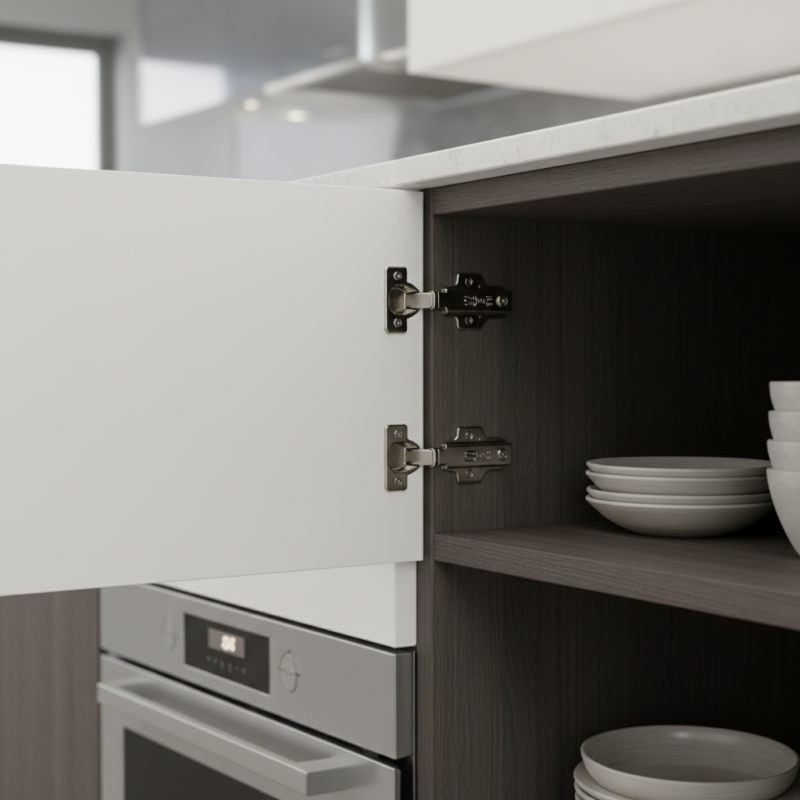
A hidden cabinet hinge is a specialized hardware component. It is often used in cabinet doors and furniture. Unlike traditional hinges, these are concealed when the door is closed. This design creates a sleek, seamless look. Many prefer this for modern interiors.
The purpose of a hidden cabinet hinge is both functional and aesthetic. It allows doors to open fully without obstruction. This can be particularly useful in tight spaces. The hinge enables a clean line without visible hardware. However, installation can be tricky. Misalignment can lead to doors that don't close properly. It's vital to ensure precision during the process.
These hinges offer versatility in design. They can be used in various cabinetry styles. However, some users find them difficult to adjust. A well-installed hidden hinge is a joy. Still, the challenge lies in getting it just right. Balancing aesthetics with functionality can sometimes lead to frustration.
Usage Frequency of Hidden Cabinet Hinges in Different Furniture Types
Types of Hidden Cabinet Hinges: An Overview of Common Varieties
Hidden cabinet hinges come in various types, each serving specific purposes. One common variety is the European hinge. This hinge is easy to install and provides a clean look. It allows the door to close completely flat against the cabinet. This feature makes it ideal for modern cabinet designs.
Another type is the pivot hinge. These are installed at the top and bottom of the door. They allow for smooth swinging motion. However, installation can be tricky. It requires precise alignment for optimal performance. If misaligned, the door may not close properly.
Lastly, there are soft-close hinges. These provide a gentle closing action. They prevent slamming and reduce noise. However, they can be more expensive. Some users find them difficult to adjust. Each type of hinge has unique advantages and challenges. Choosing the right one requires consideration of both functionality and aesthetics.
Mechanism of Action: How Hidden Cabinet Hinges Function
Hidden cabinet hinges are innovative hardware that offers a clean aesthetic. They are designed to remain invisible when doors are closed. This allows for a seamless look in cabinetry.
The mechanism works with a pivot point that is strategically placed. When the door opens, the hinge moves in a way that keeps it out of view. This unique action creates an illusion of floating doors. Users might struggle with installation if unfamiliar with the process. Proper alignment is crucial for smooth operation.
Over time, the hidden hinge may require adjustments. Regular maintenance helps ensure longevity and function. Cleaning around the hinge area can prevent buildup that affects movement. This often gets overlooked but is important for performance. A hidden hinge not only enhances beauty but also demands attention to detail.
What is a Hidden Cabinet Hinge and How Does it Work? - Mechanism of Action: How Hidden Cabinet Hinges Function
| Feature | Description | Benefits | Common Uses |
| Concealed Design | Hidden from view when the door is closed, providing a sleek look. | Enhances aesthetics, making cabinetry appear modern and stylish. | Kitchen cabinets, furniture, and built-in cabinetry. |
| Adjustable | Allows for fine-tuning of the door's position post-installation. | Facilitates alignment and proper closure of cabinet doors. | Cabinetry projects requiring precise alignment. |
| Soft Close Mechanism | Incorporates hydraulics to close doors gently. | Reduces noise and prevents slamming; increases durability. | High-end cabinetry and residential kitchens. |
| Material Compatibility | Compatible with various materials including wood, MDF, and particle board. | Versatile and can be used in a wide range of applications. | Custom cabinetry and mass-produced furniture. |
| Easy Installation | Designed for straightforward mounting into cabinet sides. | Saves time and labor during assembly. | DIY projects and professional cabinet installations. |
Installation Process: Steps to Properly Install Hidden Cabinet Hinges
Installing hidden cabinet hinges requires attention to detail. These hinges offer a clean, modern look. They are increasingly popular in kitchen and bathroom designs. According to industry research, the use of concealed hinges has risen by 30% in recent years. Installing them may seem straightforward, but a solid installation process is crucial for functionality.
Begin by measuring the cabinet doors accurately. Ensure they align correctly with the cabinet frame. Next, mark where the hinge will be positioned. This step is often overlooked, leading to misalignment. Use a drill to create holes for the screws. A failure to drill at the right depth can impact stability.
Once the hinge is installed, test the door. It should open and close smoothly without any wobbling. If it does not operate correctly, you may need to adjust the hinge settings. Often, these adjustments are ignored. Following these steps can lead to a more enjoyable and functional space.
Industry Trends: Innovations and Advances in Hidden Hinge Technology
Hidden cabinet hinges are gaining traction in modern design. These hinges provide a sleek and seamless look for furniture and cabinetry. According to a recent industry report, the global hidden hinge market is expected to grow by 7% annually until 2028. This growth reflects a rising demand for innovative home solutions.
Advancements in hidden hinge technology are notable. New materials and designs enhance durability and functionality. Manufacturers are experimenting with soft-close mechanisms that prevent slamming. This innovation caters to the evolving preferences of consumers. The need for noise reduction in homes is prominent. However, not all hinges meet these demands effectively. Some still struggle with alignment issues, affecting overall performance.
Design trends are shifting towards minimalism. Hidden hinges fit perfectly into this ethos. They offer a cleaner, more polished look compared to traditional options. However, some users find installation complicated. Misalignment can lead to frustrating results. In the quest for better design, these challenges often require careful consideration. The industry continues to address these concerns, pushing for more research and development.