The Future of Home Heating How Gas PEX Systems Are Transforming Energy Efficiency
As the demand for energy-efficient home heating solutions continues to rise,
gas PEX (cross-linked polyethylene) systems are emerging as a transformative technology in the industry.
According to a report by the U.S. Department of Energy, homes utilizing advanced piping systems can achieve energy savings of up to 30%.
This remarkable efficiency is attributed to the superior insulation properties of PEX, which significantly reduce heat loss compared to traditional metal pipes.
Furthermore, the installation of gas PEX systems is often faster and more cost-effective, allowing homeowners to reduce upfront expenditures while simultaneously improving energy performance.
Market analysis by the International Energy Agency indicates that the adoption of gas PEX systems is set to grow by 40% in the next decade, driven by increasing environmental awareness and regulatory support.
This paper explores the implications of gas PEX technology for home heating, illustrating its potential to revolutionize energy consumption patterns in residential settings.
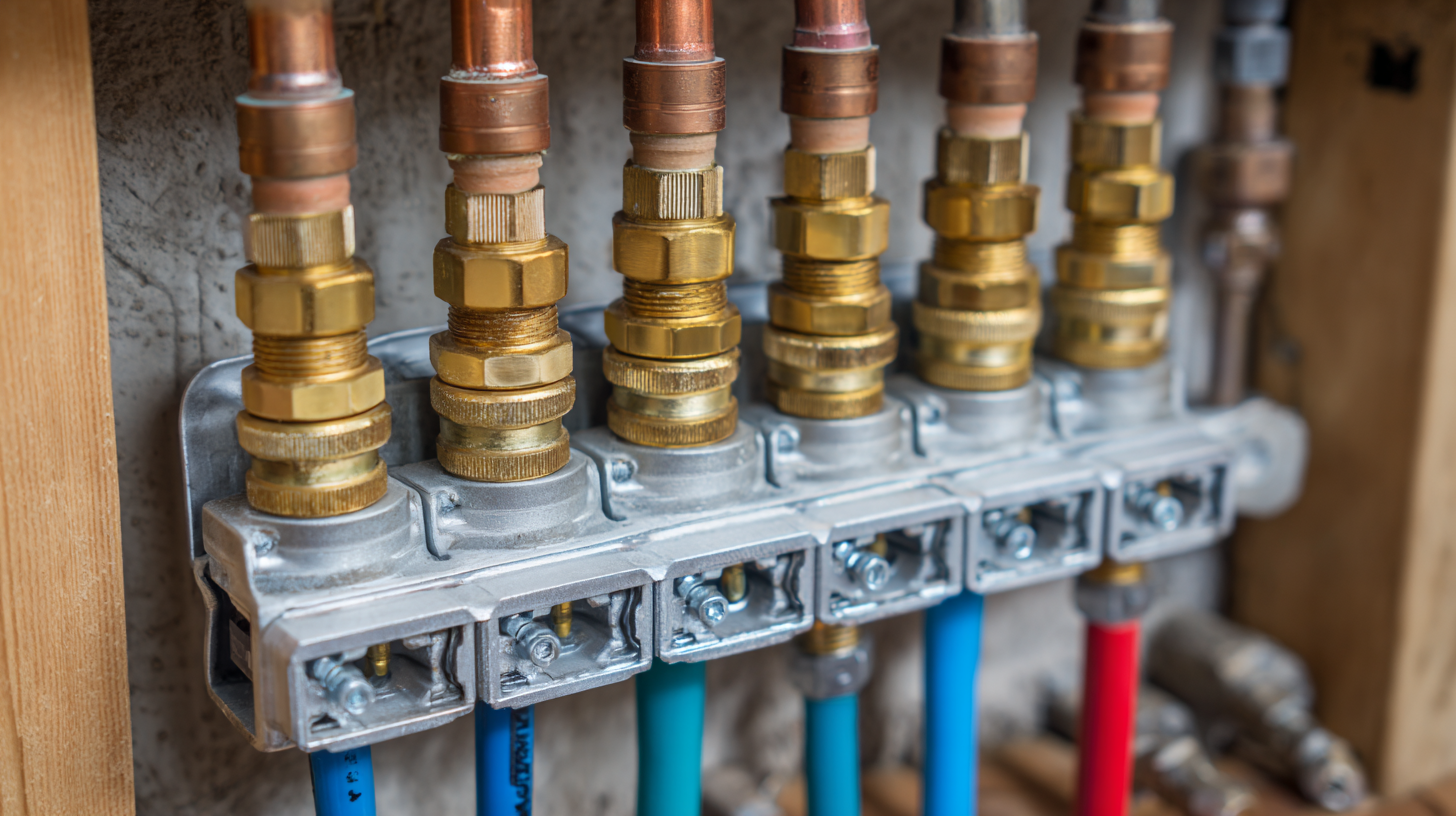
Understanding Gas PEX Systems and Their Role in Home Heating
Gas PEX systems represent a significant advancement in home heating technology, combining efficiency with versatility. These cross-linked polyethylene (PEX) pipes are designed to transport natural gas more effectively than traditional metal piping. Their flexibility allows for easier installation in various spaces, reducing the need for extensive remodeling. This adaptability makes them an ideal choice for both new construction and retrofitting older homes, where integrating energy-efficient solutions is increasingly essential.
The role of gas PEX systems in home heating extends beyond mere convenience; they contribute to overall energy efficiency. PEX materials are resistant to corrosion and scaling, leading to fewer maintenance issues and a longer lifespan. Additionally, gas PEX allows for precise temperature control, which can help homeowners manage energy consumption more effectively. By utilizing these systems, homeowners can enjoy a sustainable heating solution that not only minimizes energy costs but also aligns with modern environmental standards.
As awareness of energy efficiency grows, gas PEX technologies are poised to play a pivotal role in the evolution of home heating practices.
Advantages of Gas PEX Systems for Energy Efficiency
 Gas PEX systems are rapidly transforming the landscape of home heating by offering significant advantages in
energy efficiency. Unlike traditional heating methods, Gas PEX systems utilize
flexible cross-linked polyethylene pipes that are easy to install and maintain. This innovative approach allows for
more efficient heat distribution throughout a home, ensuring that energy is not wasted in transit. As a result,
homeowners can enjoy lower energy bills while contributing to a more sustainable environment.
Gas PEX systems are rapidly transforming the landscape of home heating by offering significant advantages in
energy efficiency. Unlike traditional heating methods, Gas PEX systems utilize
flexible cross-linked polyethylene pipes that are easy to install and maintain. This innovative approach allows for
more efficient heat distribution throughout a home, ensuring that energy is not wasted in transit. As a result,
homeowners can enjoy lower energy bills while contributing to a more sustainable environment.
Tip: When considering a Gas PEX system, ensure that your home is properly insulated. This will maximize the
efficiency of the system, allowing it to perform at its best and reducing the overall energy consumption.
Additionally, Gas PEX systems are resilient and less prone to corrosion compared to metal piping. This
durability translates into a longer lifespan and reduced
repair costs over time. The flexibility of PEX also enables more intricate designs in heating layouts, allowing for
optimal temperature control in various rooms. Such adaptations enhance comfort while increasing energy efficiency.
Tip: Consult with a professional installer to explore the most effective layouts for your specific home design,
which can further improve the efficiency of your Gas PEX system.
Installation Process of Gas PEX Systems in Residential Settings
The installation of Gas PEX systems in residential settings is increasingly recognized for its
efficiency and safety compared to traditional gas piping. Recent industry reports indicate that
PEX technology can reduce energy loss by up to 70% when
properly installed, making it an ideal choice for modern home heating systems. However, it’s essential for homeowners and contractors to
ensure compliance with local building codes to mitigate potential risks associated with gas leaks.
To install gas PEX systems effectively, proper training and adherence to guidelines are critical.
Misinstallation remains a significant concern, as evidenced by numerous safety warnings about poorly fitted gas pipes. In fact, studies
reveal that defective installations can lead to dangerous gas leaks, emphasizing the
necessity for permits and inspections during the installation process. As PEX materials
continue to evolve and regulatory standards tighten, understanding the nuances of installation can enhance both safety
and energy efficiency in home heating solutions.
Comparative Analysis: Gas PEX vs. Traditional Heating Methods
The comparative analysis of Gas PEX systems versus traditional heating methods reveals significant advancements in energy efficiency and residential heating decarbonization. Gas PEX systems utilize a hydronic low-temperature thermal distribution approach, allowing for effective heat transfer and reduced energy consumption. In contrast, traditional heating methods often rely on higher temperature outputs, leading to increased energy waste and carbon emissions. By optimizing heat distribution and leveraging modern technologies, Gas PEX systems promise a more sustainable solution for space heating, which currently accounts for a notable portion of energy use in the United States.
Furthermore, recent studies highlight the importance of integrating alternative energy sources, such as hydrogen-enriched producer gas and innovative heating methods like integrated solar systems. These approaches not only enhance the efficiency of heating systems but also contribute to long-term emission reduction goals. As urban areas adopt district heating solutions, the comparative efficiency of Gas PEX technology can pave the way for a significant decrease in carbon footprints associated with home heating, making it a compelling choice for sustainable residential solutions.
The Future of Home Heating: Comparative Analysis of Gas PEX and Traditional Heating Methods
Future Trends in Home Heating: Innovations and Sustainability with Gas PEX Systems
The future of home heating is being shaped by innovative technologies like gas PEX systems, which are emerging as key players in enhancing energy efficiency. These systems, utilizing cross-linked polyethylene, offer superior thermal conductivity and flexibility compared to traditional heating methods. As homeowners increasingly seek sustainable solutions, gas PEX systems are marking a shift towards more efficient heating solutions that reduce energy consumption and emissions.
 In parallel, the trend of incorporating hydronic underfloor heating systems is gaining traction. This approach not only provides consistent warmth throughout a home but also aligns with water conservation goals. The global market is projected to grow significantly over the next decade, driven by the demand for energy-efficient solutions that promise long-term savings.
Tip 1: Consider installing a hot water recirculation system to enhance your gas PEX setup, ensuring instant hot water availability while saving on water waste.
Tip 2: When choosing between heating systems, evaluate their energy ratings and potential savings to find the most sustainable option for your home’s needs.
By investing in these modern innovations, homeowners can look forward to a future where heating is both cost-effective and environmentally friendly.