
What Is a Float Glass Machine?

A Float Glass Machine is a continuous production line that forms flat glass on a bath of molten tin. It transforms a carefully mixed batch into a smooth ribbon, then cools the glass gradually to reduce internal stress. The equipment is large, precise, and sensitive to small process changes. A slight shift in temperature or ribbon speed can affect thickness, surface quality, or breakage. Details matter.

Sir Alastair Pilkington’s development of the float process remains a key milestone in modern glass manufacturing. His work points to a practical principle: stable conditions help produce consistent glass. This is a paraphrase, not a verified direct quotation; a published article should confirm any verbatim quote against a reliable source. That distinction matters.

A typical line includes a furnace, a tin bath, protective atmosphere systems, an annealing lehr, and inspection equipment. Operators monitor the glowing ribbon as it leaves the bath and enters the cooling zone. Sensors help track heat, speed, and thickness, while visual checks can reveal edge waves, inclusions, or surface defects. The machine does not work alone. Skilled operators interpret the readings and adjust the process. Even then, no single setting suits every glass composition or product thickness. That deserves attention. A clear understanding of the Float Glass Machine helps readers see how engineering choices shape the transparent panes used in buildings, vehicles, and everyday products.
What Is a Float Glass Machine?

What a Float Glass Machine Is and What It Produces

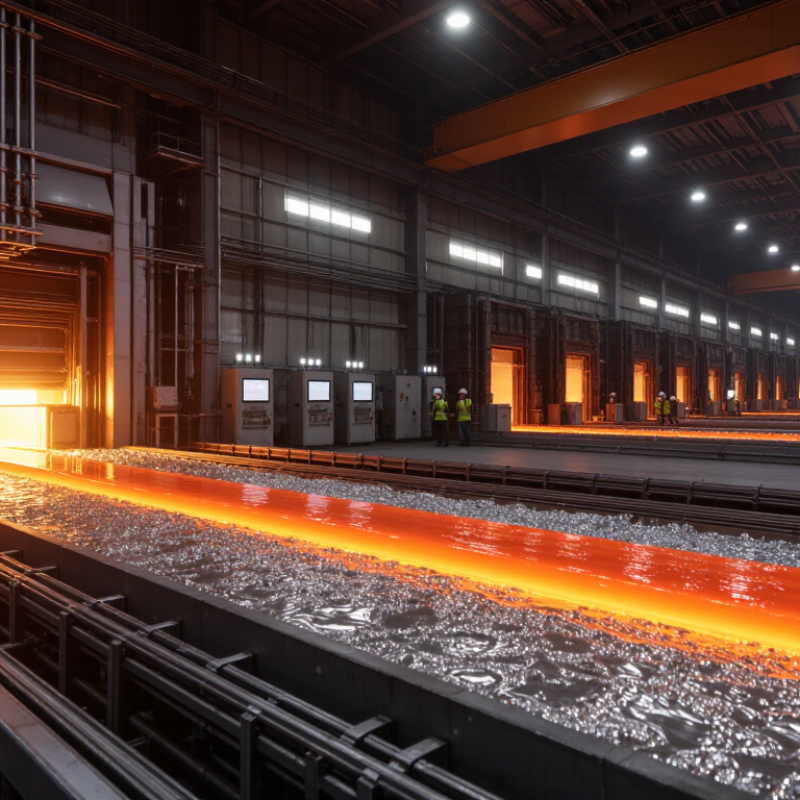
A float glass machine is usually a continuous production line, not one standalone device. It turns prepared raw materials, including silica sand and soda ash, into wide, flat sheets of glass. The mixture melts in a furnace, then flows onto a bath of molten tin. Because the glass spreads across the smooth tin surface, it forms a level ribbon with consistent thickness. The atmosphere inside the bath is carefully controlled to limit unwanted reactions. It is a precise process, though small variations still matter.

After forming, the hot glass moves through an annealing lehr, where it cools gradually to reduce internal stress. Rollers guide the sheet, and inspection systems check for visible defects before cutting equipment divides it into usable sizes. The line produces clear or tinted flat glass in different thicknesses and widths. This is not usually a finished window or mirror; those products require further cutting, coating, laminating, or shaping. Some sheets are rejected or trimmed. That waste is part of production, but it also shows why monitoring temperature and surface quality matters. A tiny flaw can travel a long way.

What a float glass machine produces: A continuous, flat ribbon of glass. Molten glass flows onto a bath of molten tin, where it spreads into a smooth sheet, then passes through an annealing lehr to cool gradually and reduce internal stress.

About the chart: Temperatures are representative values for common float-glass production processes. Actual operating temperatures vary by line, glass composition, and production conditions.

The Main Components of a Float Glass Production Line

A float glass production line is a connected system that turns measured raw materials into continuous sheets of glass. The batch house weighs silica sand, soda ash, limestone, and other ingredients before mixing them into a consistent blend. Small changes matter. Uneven feeding can affect melting and leave visible defects in the finished sheet.

Inside the furnace, the batch melts into glass at high temperatures. The molten glass then flows onto a bath of liquid tin, where it spreads into a flat ribbon. The tin does not mix with the glass. Carefully controlled temperature and speed help determine the ribbon’s thickness and surface quality. Operators monitor these conditions closely, because small fluctuations can create waves or uneven edges.

After forming, the ribbon enters an annealing lehr, a long, enclosed cooling tunnel. Its temperature decreases gradually to reduce internal stress; cooling too quickly may cause cracking later. At the line’s cold end, inspection equipment checks for bubbles, scratches, and other flaws before cutting machines divide the glass into sheets. Conveyors, sensors, and control systems coordinate each stage, but automation cannot eliminate every problem. Equipment wear and inconsistent raw materials still require attention. The line’s exact layout can vary with its capacity and product specifications.

What Is a Float Glass Machine? - The Main Components of a Float Glass Production Line
Main Component What It Does Typical Process Conditions or Data How It Supports Glass Production
Raw Material Handling and Batch House Stores, weighs, and mixes silica sand, soda ash, limestone, dolomite, and other batch ingredients. Recycled glass, known as cullet, may also be included. Ingredients are proportioned according to the glass composition; cullet quantity varies with the product and plant process. Provides a consistent, accurately prepared batch for melting.
Melting Furnace and Refining Zone Melts the batch and helps remove bubbles and other inclusions from the molten glass. Glass-melting temperatures are commonly around 1,500–1,600°C, depending on the composition and furnace design. Produces a uniform supply of molten glass for forming.
Conditioning Channel Delivers molten glass from the furnace toward the float bath while helping control its temperature and flow. Temperature is managed to provide glass with suitable viscosity for stable forming. Helps maintain a steady glass ribbon entering the tin bath.
Tin Bath (Float Chamber) Forms the glass into a continuous, flat ribbon that floats on a pool of molten tin. A controlled protective atmosphere, typically nitrogen with a small proportion of hydrogen, limits tin oxidation. The glass cools as it moves through the bath. Creates smooth, parallel surfaces and helps determine ribbon thickness and width.
Annealing Lehr Gradually cools the glass ribbon to relieve internal stresses created during forming. The ribbon is cooled through a controlled temperature profile, from the annealing range toward ambient temperature. Reduces the risk of cracking and makes the ribbon suitable for downstream handling and cutting.
Inspection and Measurement Section Checks the moving ribbon for optical defects, surface flaws, thickness variation, and other quality characteristics. Automated optical systems and thickness gauges may be used; inspection criteria depend on the intended product grade. Identifies product defects and supports quality classification before cutting.
Cutting and Edge-Breaking Equipment Scores the cooled ribbon into required sheet sizes and removes or breaks off edge trim. Cut sizes are set to order and may vary by product and line configuration. Turns the continuous ribbon into individual sheets for handling and packing.
Automatic Stacking and Storage Transfers, stacks, and prepares cut sheets for storage or shipment. Handling equipment is configured for the sheet dimensions, thickness, and packing method. Protects finished glass and organizes it for dispatch or further processing.

How Molten Glass Forms a Flat Ribbon on a Tin Bath

What Is a Float Glass Machine?

How Molten Glass Forms a Flat Ribbon on a Tin Bath

A float glass machine is better understood as a continuous production line than as one device. Its central stage guides molten glass onto a bath of liquid tin. Because glass is less dense, it floats and spreads into a smooth, wide ribbon. The surface stays level. Heat, gravity, and surface tension help shape it, but they depend on steady operating conditions.

Inside the bath, temperatures are carefully managed as the ribbon moves forward. A controlled atmosphere, commonly nitrogen with a small amount of hydrogen, helps protect the tin from oxidation. Rollers near the edges can influence width and thickness, while line speed also matters. Pull the ribbon faster, and it may become thinner. Small shifts count. The neat description hides a less tidy reality.

As the ribbon leaves the tin, it cools gradually in an annealing lehr. This reduces internal stress before cutting and inspection. Operators monitor temperature profiles, edge quality, and thickness rather than relying on one reading. The process is remarkably consistent, but bubbles, surface marks, or uneven edges can still appear. That is worth remembering.

How the Glass Ribbon Is Cooled, Cut, and Inspected

What Is a Float Glass Machine?
How the Glass Ribbon Is Cooled, Cut, and Inspected

After forming on a bath of molten tin, the glass leaves as a wide, continuous ribbon. It is still hot. The ribbon enters an annealing lehr, a long tunnel where carefully controlled heating and cooling reduce internal stress. Rollers support the glass as it moves through different temperature zones. Sensors track conditions, since cooling too quickly can leave stress that may cause cracking during later handling. Small changes in line speed or thickness can matter.

Inspection usually begins while the ribbon is moving. Optical scanners look for bubbles, stones, scratches, and uneven areas; thickness gauges check whether the sheet stays within its specified range. A detected flaw can be mapped so operators know where to avoid placing finished pieces. The cutter then makes a shallow score, and the glass is separated along that line. Clean edges matter. Still, automated inspection is not infallible: subtle defects can escape detection, so process records and operator review remain useful. A bright, clear sheet is not always a flawless one.

Where Float Glass Machines Are Used in Manufacturing

What Is a Float Glass Machine?

Where Float Glass Machines Are Used in Manufacturing

A float glass machine is a continuous production line that forms flat glass on a bath of molten tin. The line controls melting, forming, annealing, and cutting. The result is a smooth sheet with consistent thickness, ready for further processing. In practice, temperature shifts and tiny inclusions can still affect quality. The details matter.

Construction is a major end market. Manufacturers cut float glass into window panes, façade panels, doors, and interior partitions. The Global Status Report for Buildings and Construction 2023/24 estimates that buildings and construction produced 37% of global energy- and process-related CO2 emissions in 2022. That figure is not a glass-demand measure, but it helps explain why glazing performance matters in building design. Glass may later be coated, laminated, or made into insulated units.

Automotive factories use processed float glass for windshields, side windows, and rear windows. OICA reported global motor-vehicle production of about 93.5 million units in 2023, indicating the scale of this manufacturing market. Solar-module production is another application: glass commonly protects the front of a module. The IEA PVPS Snapshot of Global PV Markets 2024 reported roughly 456 GW of new photovoltaic installations in 2023. That is an installation figure, not a direct measure of glass-machine output. Not every line does. Product specifications differ, and a float line alone cannot guarantee finished-glass performance.