
10 Essential Tips for Choosing the Right LP Gas Valve
Choosing the right LP gas valve is crucial for safety and efficiency. A reliable valve ensures that the gas flows properly and reduces the risk of leaks. With so many options available, it can be overwhelming to find the best fit for your needs.
Consider your specific requirements carefully. The type of appliance you use impacts your choice. A valve for a grill is different from one for indoor heating. Think about the size, material, and pressure specifications. Each detail matters when selecting an LP gas valve.
Mistakes can happen. Perhaps you overlook compatibility or choose a valve with inadequate safety features. Take the time to research and consult experts when necessary. Your choices will affect not only your equipment but also your safety at home. Always approach this decision with caution and awareness.
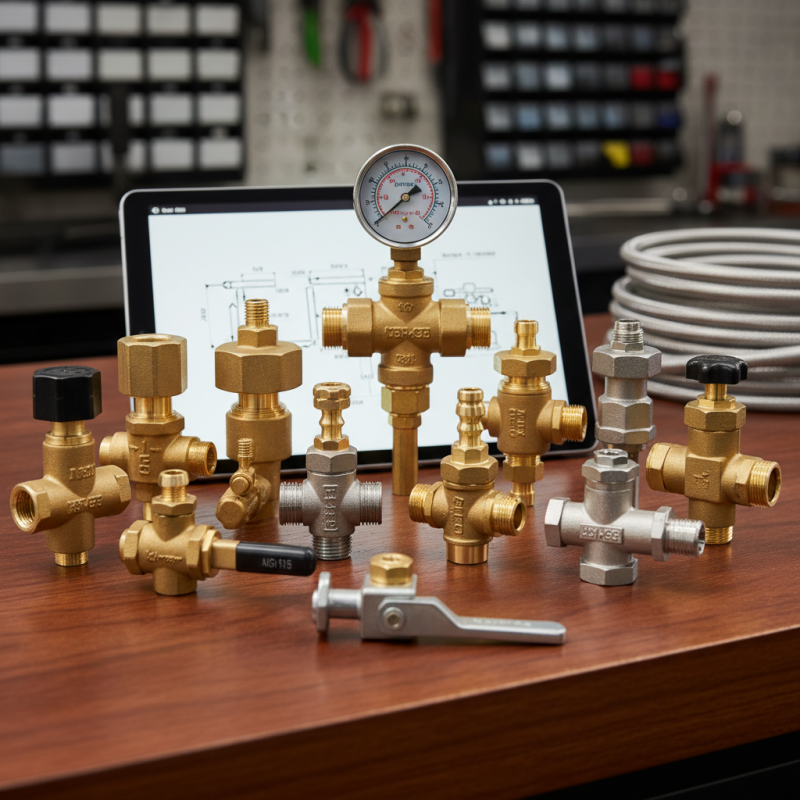
Understanding the Functionality of LP Gas Valves
When selecting an LP gas valve, understanding its functionality is crucial. LP gas valves control the flow of gas, ensuring safety and efficiency. These valves come in various types. Each type serves a specific purpose. Knowing how they work helps in making informed choices.
The most common functions include regulating flow and controlling pressure. A good valve should reduce pressure from the tank. It must provide a steady gas supply. Inspecting the valve for defects can save trouble later. Simple leaks can cause serious hazards. Regular maintenance is often overlooked but vital.
It's easy to miss small details. The material of the valve affects durability and performance. Corrosion resistance is key in choosing the right valve. Additionally, compatibility with existing systems is often taken for granted. Proper installation is another area where mistakes happen. Take time to understand the installation process. Small misalignments can lead to leaks.
10 Essential Tips for Choosing the Right LP Gas Valve - Understanding the Functionality of LP Gas Valves
| Tip Number | Tip Description | Functionality | Material | Safety Features |
|---|---|---|---|---|
| 1 | Assess the pressure requirements. | Regulates gas flow based on pressure. | Brass or stainless steel. | Overpressure relief system. |
| 2 | Check compatibility with appliances. | Matches with specific appliance requirements. | Aluminum, plastic, or brass. | Automatic shut-off valves. |
| 3 | Evaluate the valve size needed. | Designed for specific gas flow rates. | Stainless steel or brass. | Leak detection features. |
| 4 | Research the manual shut-off options. | Enables manual gas shut-off. | Plastic or polycarbonate. | Child-resistant features. |
| 5 | Consider the valve closure type. | Defines how the valve opens and closes. | Brass or bronze. | Pressure relief valves. |
| 6 | Identify the valve location. | Affects installation ease and safety. | Stainless steel. | Access safety shut-off switch. |
| 7 | Check for certifications and standards. | Compliance with safety regulations. | Various materials based on regulation. | Regulatory compliance indicators. |
| 8 | Evaluate temperature ratings. | Handles specific temperature ranges. | High-temp resistant alloys. | Thermal cutoff devices. |
| 9 | Consider warranty and support. | Protection against defects. | Various for different materials. | Extended warranty options. |
| 10 | Read user reviews and ratings. | Gives insights from other users. | User-specified materials. | Safety ratings based on feedback. |
Related Posts
-
Ultimate Guide with 10 Essential Tips for Using a Propane Blow Torch
-
2025 How to Choose the Best Blow Torch Kit for Your DIY Projects
-

Discovering the Benefits of a Gas Heater with Cylinder for Your Home Comfort
-
The Ultimate Guide to 8mm Gas Pipe Fittings for 2025 Top Uses and Applications
-

Mastering the Art of Propane Gas Torch Kits: Essential Tips and Techniques for DIY Enthusiasts
-
Top 2025 Propane Torch Kits for DIY Projects and Home Improvement