How to Choose the Right Gas Valve for Your Needs?
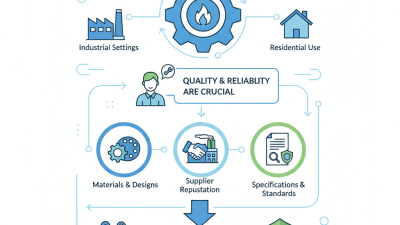
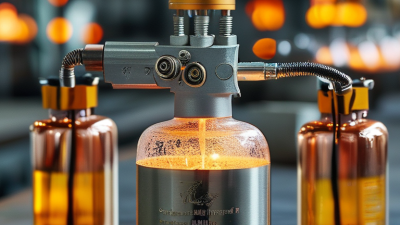
Choosing the right gas valve is crucial for safety and efficiency in various applications. A gas valve controls the flow of gas in systems such as heating and cooking. Selecting the appropriate valve requires careful consideration of several factors. You need to assess the type of gas you are dealing with, whether it's natural gas or propane. Understanding the pressure requirements is also essential.
Sometimes, technical specifications can be overwhelming. Not all gas valves are created equal. You may face challenges in matching your equipment's needs with the correct valve type. It's important to consult with professionals who have experience in this field. Their expertise can guide you in making a well-informed decision.
In addition, considering brand reliability is key. A well-known manufacturer often signifies quality and safety. However, even reputable brands may have variations in product lines that could confuse consumers. Weighing the pros and cons of each option will lead you toward a sensible choice. Ultimately, taking the time to evaluate these aspects can save you from future mishaps.
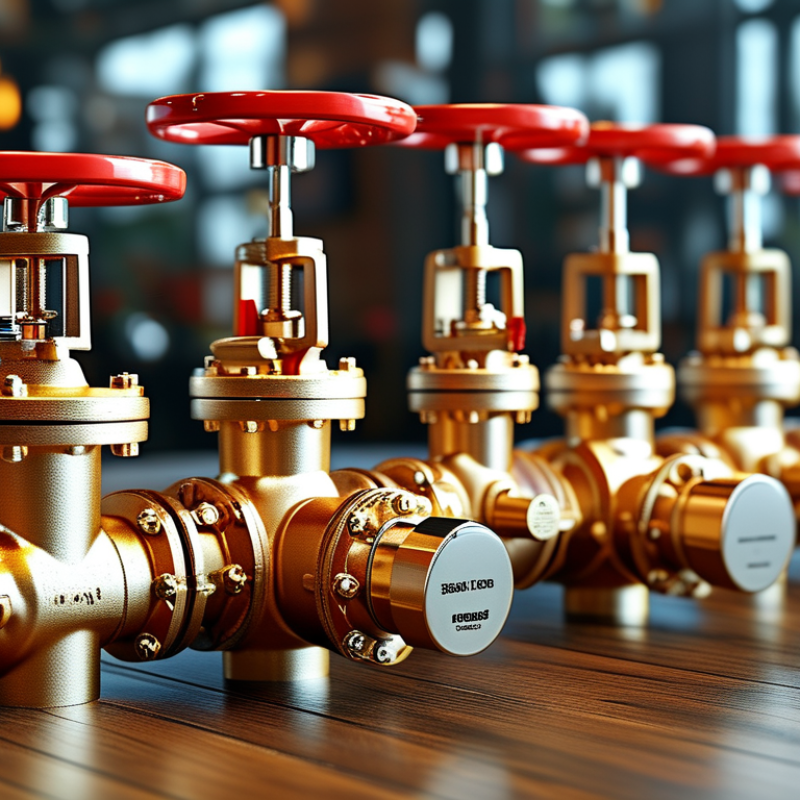
Factors to Consider When Selecting a Gas Valve
When selecting a gas valve, several key factors come into play. One major consideration is the valve's application. Different systems require distinct types of valves, such as ball, needle, or diaphragm valves. According to industry reports, choosing the wrong valve can lead to inefficient performance, impacting overall safety and operation. An unsuitable valve may cause leaks, which can have serious implications for both facility safety and operational efficiency.
Another crucial aspect is the valve's pressure and temperature rating. Each valve is designed for specific pressure ranges and operating temperatures. Data indicates that improper ratings can lead to catastrophic failures. Additionally, compatibility with different gases is essential. Not all valves are suitable for every gas type. This underscores the importance of verifying the material compositions used in the valves. Reports highlight that corrosion resistance is vital in extending valve lifespan, particularly when dealing with aggressive gases.
Lastly, the valve size also plays a pivotal role. An incorrectly sized valve may result in pressure drops or flow restrictions. Industry studies reveal that up to 20% of energy efficiency can be lost due to poor sizing. Understanding these nuances is critical for selecting the right gas valve that meets your specific needs and enhances system performance.
Types of Gas Valves and Their Applications
Gas valves play a crucial role in various applications, from residential settings to industrial processes. Understanding the different types can help you make informed choices. One common type is the ball valve, known for its quick shut-off capability. Ball valves are often used in gas pipelines for their reliability and ease of operation.
Another type is the gate valve, which is ideal for fully opened or closed positions. While gate valves provide minimal pressure drop, they may not be suitable for throttling. This limitation should be considered when selecting a valve for applications requiring precise control.
For applications that require safety, safety shut-off valves are crucial. These valves automatically halt gas flow during emergencies. They are vital in preventing potentially hazardous situations. Reflecting on your needs is essential. Each gas valve has distinct features, and the right choice often depends on specific requirements and safety standards.
Sizing and Pressure Ratings of Gas Valves
Selecting the proper gas valve involves understanding sizing and pressure ratings, essentials in ensuring safety and performance. Gas valves are classified by their nominal size, often measured in inches for piping systems. An ideal valve size matches the diameter of the pipe it connects to, minimizing turbulence and pressure loss. It is critical to avoid oversized valves. Research indicates that improper sizing can lead to inefficiencies of up to 20%.
Pressure ratings are another essential consideration. Gas valves are typically rated in accordance with the American National Standards Institute (ANSI) standards. Most residential applications utilize valves with ratings of 150 psi or lower, while industrial uses might require valves rated for 300 psi or more. Misalignment between the valve's pressure rating and the system’s requirements leaves a room for vulnerability. A recent industry report revealed that approximately 15% of valve failures stem from inadequate pressure ratings.
Gas quality also impacts valve selection. Clean or processed gases require different components compared to natural gas. Choosing a valve for corrosive environments adds layers of complexity, as material compatibility becomes paramount. Knowledge gaps in understanding these factors can lead to costly mistakes. Thus, consulting professional guidelines and updated standards is essential when making these technical decisions.
Materials and Durability: Choosing the Right Construction
Choosing the right material for your gas valve is crucial. Metals like brass and stainless steel are popular for their durability. Brass resists corrosion and offers strength. Stainless steel, while more expensive, can withstand higher pressures. Each material has its pros and cons. Understand your specific needs before making a decision.
Consider the environment where the valve will be used. Extreme temperatures and exposure to chemicals can impact the valve’s performance. Valves made from plastic can be lightweight but may not endure harsh conditions. Seek valves with seals that can resist wear and tear. Look for features that enhance reliability, such as leak-proof designs.
Reflect on the longevity of the valve as well. Sometimes, a cheaper option may lead to higher costs in repairs and replacements. Durability should be a primary factor. Prioritize functionality over price to avoid future problems. It's wise to consult with professionals for tailored advice based on your specific applications.
Installation and Maintenance Tips for Gas Valves
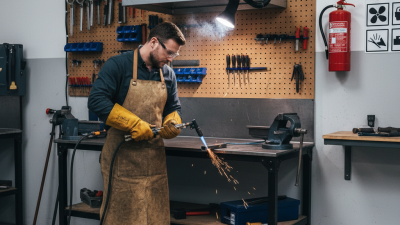
When it comes to gas valve installation, attention to detail is crucial. Ensure you have all necessary tools on hand, such as wrenches and pliers. Each gas valve has specific entry points, and aligning them correctly can prevent leaks. Use thread sealant on the valve threads to ensure a tight seal. Double-check all connections before turning the gas on. Regular inspection of your valves is essential for safety. Look for signs of wear and tear, such as rust or corrosion.
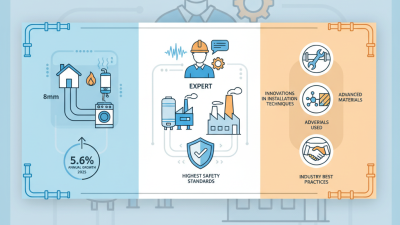
Maintenance is equally important. Periodically test the valves to ensure they function properly. You can do this by turning off the gas supply and then slowly reopening the valve. Listen for hissing sounds, which may indicate a leak. If you detect any issues, it’s wise to consult a professional. Trustworthy installation and maintenance retain safety. Rushing through the process can lead to mistakes and hazards. Take time to understand how each valve works, and don’t hesitate to ask for help when needed.
How to Choose the Right Gas Valve for Your Needs? - Installation and Maintenance Tips for Gas Valves
| Gas Valve Type |
Application |
Material |
Pressure Rating (PSI) |
Installation Difficulty |
Maintenance Tips |
| Ball Valve |
Residential and commercial |
Brass |
150 |
Easy |
Regularly check for leaks |
| Gate Valve |
Industrial applications |
Carbon Steel |
300 |
Moderate |
Ensure full closure during maintenance |
| Globe Valve |
Water and steam services |
Stainless Steel |
250 |
Challenging |
Inspect packing regularly |
| Butterfly Valve |
HVAC systems |
Plastic |
150 |
Easy |
Check for smooth operation |
| Check Valve |
Piping systems |
Bronze |
200 |
Moderate |
Regularly verify correct operation |