2025 How to Choose the Right Gas Ball Valve for Your Needs
In the evolving landscape of industrial applications, the significance of selecting the appropriate gas ball valve cannot be overstated. According to a report by MarketsandMarkets, the global market for ball valves is projected to reach USD 8.72 billion by 2025, driven by increasing investments in infrastructure and energy sectors. Gas ball valves play a critical role in managing the flow of gases in various applications, including oil and gas production, chemical processing, and HVAC systems. The efficiency and reliability of these valves can directly impact operational performance and safety standards across industries.
Choosing the right gas ball valve involves understanding a range of factors including the type of gas being transported, pressure requirements, and the specific environmental conditions of the installation. As reported by the American Society of Mechanical Engineers (ASME), improper selection can lead to leaks, operational failures, and potential safety hazards. It’s essential for engineers and procurement teams to consider valve materials, sizes, and technologies that align with industry standards and application demands. Making informed decisions in this aspect not only enhances productivity but also ensures compliance with regulations and longevity of equipment.
As we delve into the criteria for selecting the ideal gas ball valve, it is vital to understand the diverse applications and technological advancements that can optimize function and efficiency in various operational contexts. This analysis will equip decision-makers with the insights necessary to make choices that meet their specific needs while adhering to best practices within the industry.
Understanding Gas Ball Valve Types: A Comprehensive Overview
When selecting the right gas ball valve, it is crucial to understand the various types available in the market. Gas ball valves are primarily categorized based on their design, material, and application. The most common types are full port, reduced port, and V-port ball valves. Full port valves allow for maximum flow capacity with minimal turbulence, making them ideal for applications where pressure drops need to be minimized. On the other hand, reduced port valves have a smaller bore, which may be more cost-effective for specific low-flow applications. According to market research from the Global Ball Valve Industry Report 2023, the demand for full port gas ball valves has surged by over 15% in the last year due to their efficiency in high-pressure environments.
Material choice is another critical aspect when considering gas ball valves. Common materials include brass, stainless steel, and PVC, each offering distinct advantages based on the environment and the type of gas being regulated. For instance, stainless steel valves are favored for their corrosion resistance and durability in harsh industrial settings, where they are exposed to various chemicals and high temperatures. As reported by the International Valve Manufacturers Association, approximately 40% of industries utilizing gas ball valves prefer stainless steel models to ensure longevity and minimize maintenance costs. Understanding these types and materials can significantly influence decision-making and ensure that the right gas ball valve is chosen for specific operational needs.
2025 Gas Ball Valve Types and Their Applications
This bar chart illustrates the various types of gas ball valves and their applications expressed as a percentage. As shown, the Standard Ball Valve is the most common type, followed by Trunnion and Floating Ball Valves.
Key Factors to Consider When Selecting Gas Ball Valves
When selecting gas ball valves, several key factors should be taken into account to ensure optimal performance and safety. First, it is essential to consider the valve size and specifications. The size of the valve should match the pipe diameter and the flow requirements of the gas system to maintain efficient gas flow without unnecessary pressure drops. Additionally, understanding the pressure rating is crucial, as it determines the valve's ability to handle the specific operating conditions without failure.
Another important factor to evaluate is the material of the valve. Gas ball valves can be made from various materials, such as brass, stainless steel, or plastic, each offering different levels of durability and resistance to corrosion. Depending on the gas type and the environment in which the valve will be used, selecting a material that can withstand potential chemical reactions and temperature variations is vital to ensure longevity and reliability.
Lastly, consider the valve's actuator type, whether manual or automatic. Manual valves may be suitable for simpler applications, while automatic valves can enhance efficiency in more complex systems. It is also wise to think about the ease of installation and maintenance, as well as any industry standards or certifications that may be required for safety and compliance. By carefully assessing these factors, users can make informed decisions when choosing the right gas ball valve for their needs.
Material Specifications: Choosing the Right Construction for Your Valve
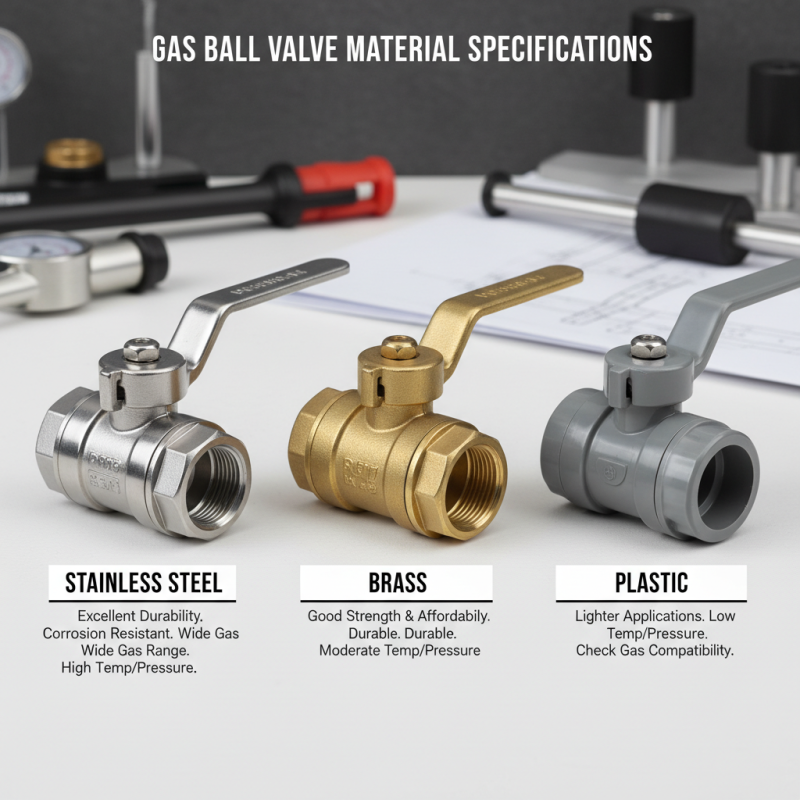
When selecting a gas ball valve, material specifications play a crucial role in ensuring optimal performance and longevity. The material of the valve body, typically made from stainless steel, brass, or plastic, greatly influences its resistance to corrosion and ability to withstand high pressures and temperatures. Stainless steel, for instance, offers excellent durability and is suitable for a variety of gas applications, while brass provides a good balance of strength and affordability. On the other hand, plastic valves may be ideal for lighter applications but require careful consideration of the gas type to avoid chemical reactions.
Additionally, the sealing materials used in the valve can significantly affect its reliability. Common sealing materials include PTFE (Teflon) and rubber, each with distinct characteristics. PTFE is often preferred for its superior chemical resistance and ability to handle high temperatures, making it suitable for challenging environments. Rubber seals, while typically less resistant to extreme conditions, can offer effective sealing for less demanding applications. Therefore, understanding the specific requirements of your system, including temperature, pressure, and the type of gas being handled, is essential in choosing the right construction for your gas ball valve.
Pressure Ratings and Flow Coefficients: Ensuring Optimal Performance
When selecting a gas ball valve, understanding pressure ratings and flow coefficients is crucial for ensuring optimal performance in your application. Pressure ratings, typically measured in PSI (pounds per square inch), define the maximum pressure the valve can handle safely. According to the American National Standards Institute (ANSI) standards, common pressure classes include 150, 300, and 600 PSI, which influence the material selection and design of the valve. As operational pressures increase, it becomes essential to choose a valve that not only meets but exceeds the expected conditions to prevent leaks or failures that could lead to costly downtime.
Flow coefficients (Cv values) are key to determining the efficiency of a gas ball valve. The Cv value indicates the amount of flow (in gallons per minute) that can pass through a valve with a pressure drop of 1 PSI. A higher Cv value indicates a valve is capable of allowing more flow with less resistance. According to industry data reports, selecting a valve with an appropriate Cv value based on your system's design parameters can enhance performance significantly. For example, in high-demand scenarios where gas flow is critical, opting for valves with higher Cv values ensures that the system operates at or near its maximum efficiency, thus optimizing both performance and energy consumption.
Maintenance and Safety Standards for Gas Ball Valves in 2025
Gas ball valves are essential components in various applications, ensuring safe and efficient gas flow management. As we progress into 2025, it is crucial to understand the maintenance and safety standards that govern these valves. Proper maintenance not only extends the lifespan of the valve but also ensures it operates within safety regulations. Regular inspection for wear, leaks, or corrosion should be conducted, and any issues should be addressed immediately to prevent hazardous situations.
Tips for maintaining gas ball valves include checking the tightness of connections and ensuring that the valve handle operates smoothly. Lubrication of the stem and regular testing of the valve's response under pressure can identify potential failures before they become serious problems. It's also advisable to familiarize yourself with the specific standards outlined by safety organizations that apply to your region, as compliance is essential for both safety and legal reasons.
Furthermore, safety standards for gas ball valves in 2025 emphasize the importance of proper installation and operation. All personnel involved in managing gas systems should be trained in the latest safety protocols. Implementing a robust training program that covers these aspects can significantly reduce the risk of accidents and enhance overall safety in your operations. By staying informed and proactive about maintenance and safety standards, you can ensure that your gas ball valves function effectively and safely in the years to come.
2025 How to Choose the Right Gas Ball Valve for Your Needs - Maintenance and Safety Standards for Gas Ball Valves in 2025
| Dimension |
Specification |
Maintenance Frequency |
Safety Standard |
| 1/2 inch |
PN16, ISO 17292 |
Every 6 months |
API 607 |
| 3/4 inch |
PN20, ANSI/ASME B16.34 |
Annually |
ISO 15848-1 |
| 1 inch |
PN25, API 6D |
Every 6 months |
NACE MR0175 |
| 1 1/4 inch |
PN30, EN 550 |
Annually |
ASME B16.34 |
| 2 inch |
PN40, API 598 |
Every 6 months |
BS EN 12266-1 |