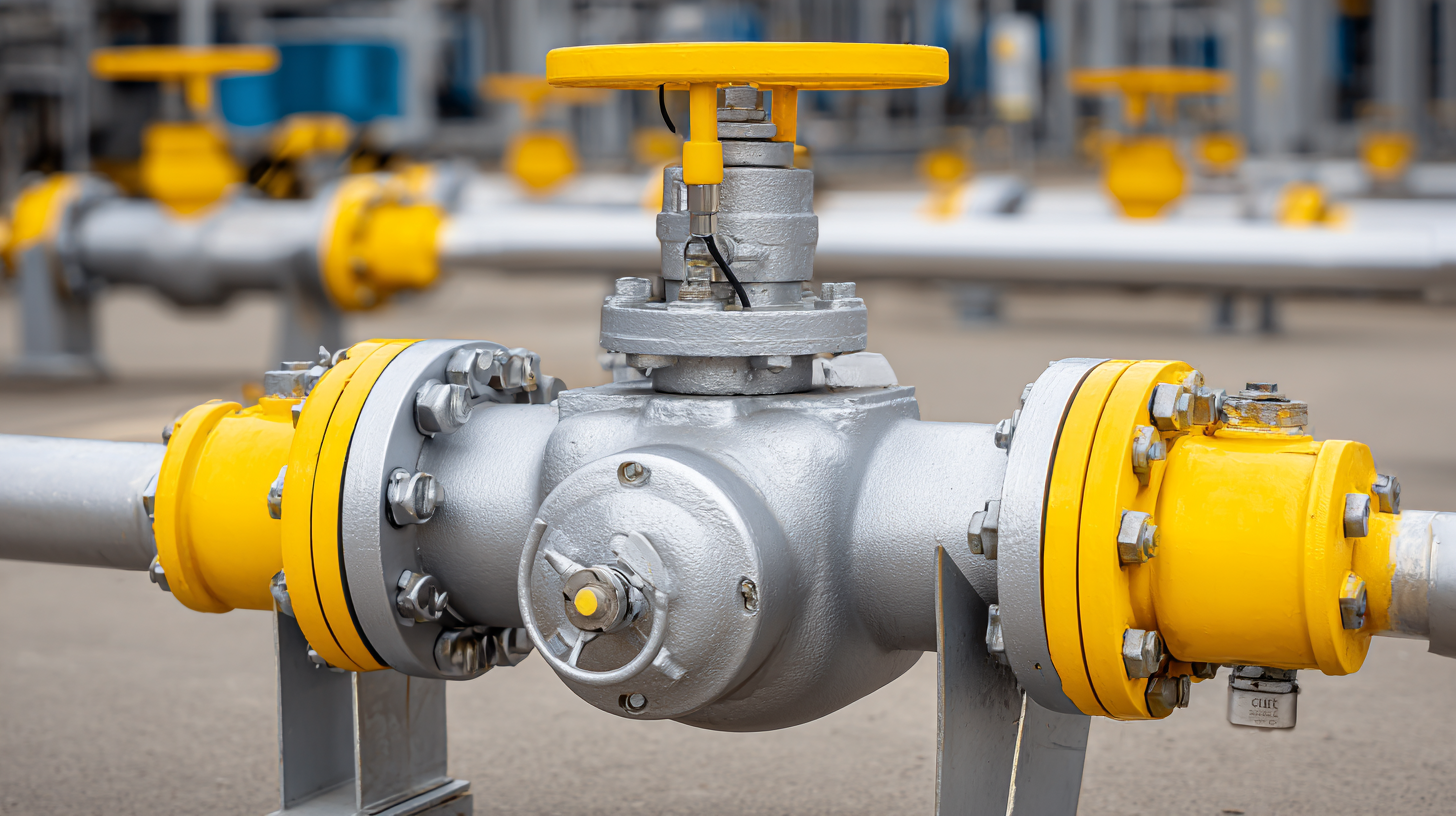
Why Choosing the Right Gas Ball Valve is Essential for Industrial Safety and Efficiency
In the realm of industrial operations, ensuring safety and efficiency is of paramount importance, and the choice of equipment plays a crucial role in achieving these goals. Among the various components utilized in industrial settings, the gas ball valve stands out as a critical element that can significantly impact both operational safety and efficiency.
Selecting the right gas ball valve is not merely a matter of preference; it is essential for preventing leaks, ensuring proper flow control, and maintaining pressure within systems that handle gaseous substances.
This article delves into the significance of choosing the best gas ball valve, exploring its influence on industrial processes and highlighting the key factors that should guide this vital decision.
By understanding the nuances of gas ball valves, industries can bolster their safety protocols while enhancing overall operational effectiveness, ultimately leading to improved performance and reduced risks in the workplace.
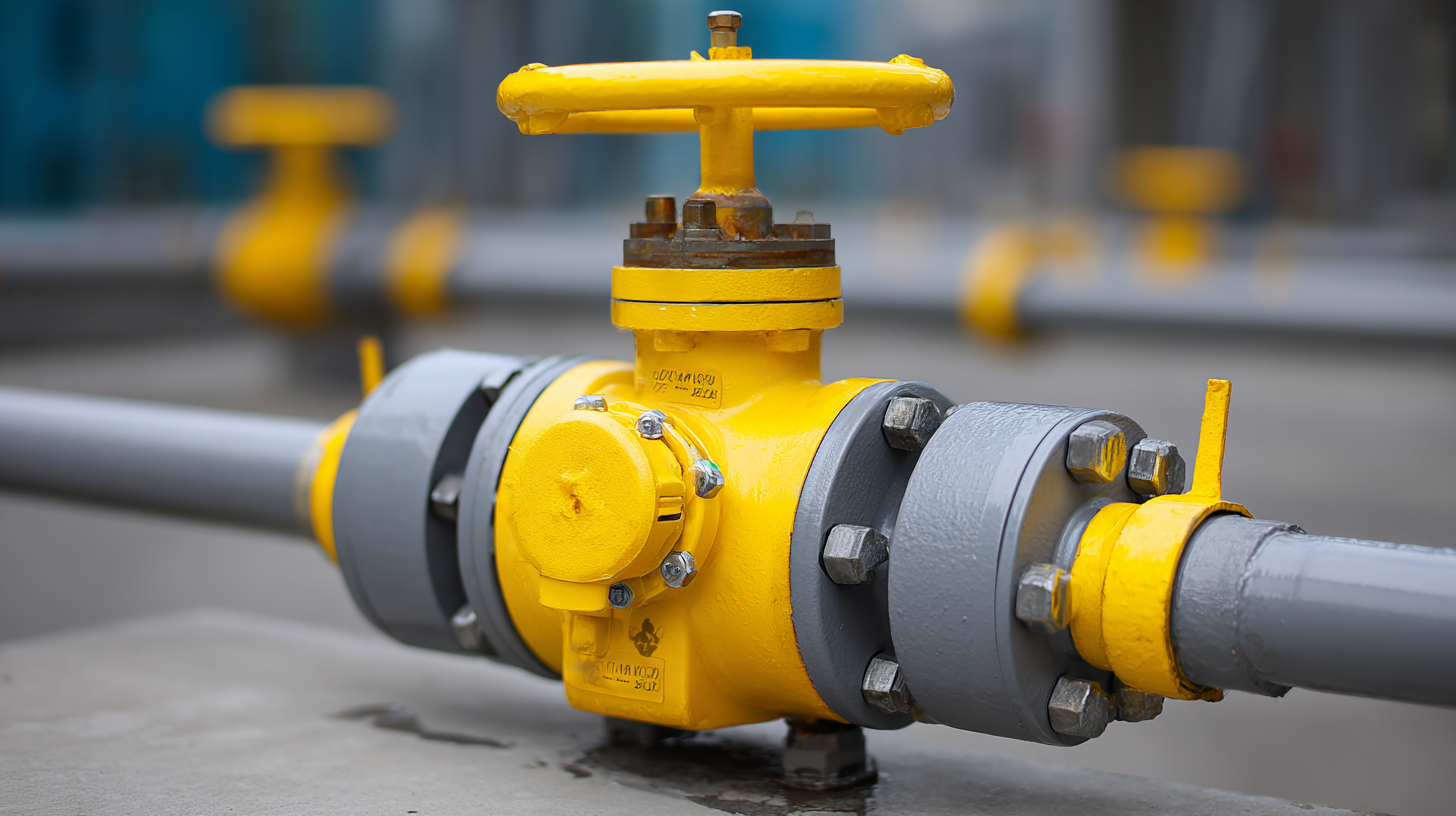
Understanding the Importance of Gas Ball Valves in Industrial Applications
Gas ball valves play a critical role in industrial applications, primarily due to their ability to provide reliable shut-off and control of gas flow. According to a recent industry report by MarketsandMarkets, the global market for industrial valves is projected to reach $100 billion by 2026, driven largely by the increasing demand for efficient and safe gas handling in various sectors, including oil and gas, chemical processing, and power generation. Selecting the right gas ball valve ensures not only the safety of personnel but also the optimization of processes, thereby enhancing overall operational efficiency.
When considering gas ball valves, it is vital to ensure they are suited for the specific pressure and temperature conditions of the application. Tips for selection include verifying the valve’s material compatibility with the gases being used and evaluating the valve design for appropriate leakage rates. In fact, the American Petroleum Institute (API) provides guidelines indicating that even a slight leakage can lead to significant operational disruptions and safety hazards.
Moreover, regular maintenance and inspection of gas ball valves can greatly extend their lifespan and ensure reliable performance. Consider implementing a preventive maintenance schedule based on the manufacturer's recommendations and industry best practices. This could help mitigate costly downtimes, as nearly 30% of industrial accidents are attributed to valve failures, according to a study by the National Institute for Occupational Safety and Health (NIOSH).
Gas Ball Valve Types and Their Applications
Key Factors to Consider When Selecting Gas Ball Valves for Optimal Safety
When selecting gas ball valves for industrial applications, several critical factors must be considered to ensure optimal safety and efficiency. One of the foremost aspects is the valve's pressure rating, which should align with the operational requirements of the system. According to the International Organization for Standardization (ISO), valves operating under higher pressures need robust materials that can withstand potential mechanical stresses. Failure to use adequately rated valves can lead to catastrophic leaks, significantly impacting workplace safety and leading to financial losses estimated at $2.4 billion annually in the oil and gas sector alone due to downtime and accidents.
Another crucial factor is the valve's material composition. A report by the American National Standards Institute (ANSI) highlights that materials resistant to environmental factors, such as corrosion and extreme temperatures, are essential to maintain valve integrity over time. For instance, using ball valves made of stainless steel versus carbon steel can increase their lifespan by up to 75%, reducing maintenance costs and downtime. Additionally, it's imperative to consider the valve's design features, such as the floating or trunnion-mounted ball, which greatly affects flow characteristics and sealing ability, directly impacting system performance and safety margins.
Why Choosing the Right Gas Ball Valve is Essential for Industrial Safety and Efficiency - Key Factors to Consider When Selecting Gas Ball Valves for Optimal Safety
| Factor |
Importance |
Considerations |
| Material Type |
Critical for Corrosion Resistance |
Choose materials compatible with the gas type |
| Pressure Rating |
Safety Compliance |
Ensure the valve can handle the operational pressure |
| Size and Port Configuration |
Flow Efficiency |
Select appropriate size for system requirements |
| Actuation Method |
Ease of Operation |
Consider manual vs. automated actuation |
| Certification Standards |
Regulatory Compliance |
Ensure product meets industry standards (e.g., ISO) |
| Temperature Rating |
Operational Efficiency |
Select valves rated for the specific temperature range |
Analyzing Industry Standards: How Correct Valve Selection Enhances Efficiency
The selection of the appropriate gas ball valve is critical in industrial applications, where both safety and operational efficiency are paramount. Industry standards are established to guide manufacturers and operators in choosing valves that can withstand the specific conditions of their environment, such as pressure, temperature, and corrosiveness. Adhering to these standards not only ensures compliance with safety regulations but also optimizes system performance by reducing the risk of leaks and failures.
Correct valve selection plays an essential role in enhancing overall efficiency. Valves designed for specific functions can minimize energy loss and maximize flow rates, directly impacting operational productivity. For instance, using high-quality ball valves with appropriate sealing mechanisms can prevent gas leaks, leading to lower operational costs and reduced environmental impact. Moreover, regular maintenance and inspections, as mandated by industry standards, can further ensure that these valves function effectively over time, sustaining operational reliability and safety.
Common Mistakes to Avoid in Choosing Gas Ball Valves for Industrial Use
When choosing gas ball valves for industrial applications, avoiding common mistakes is crucial to ensure both safety and efficiency.
One prevalent error is selecting a valve without considering the specific gas type it will handle. Different gases may have unique properties that affect valve material compatibility.
For instance, using a valve designed for natural gas in a petroleum gas application can lead to premature failure or leaks, posing significant safety risks.
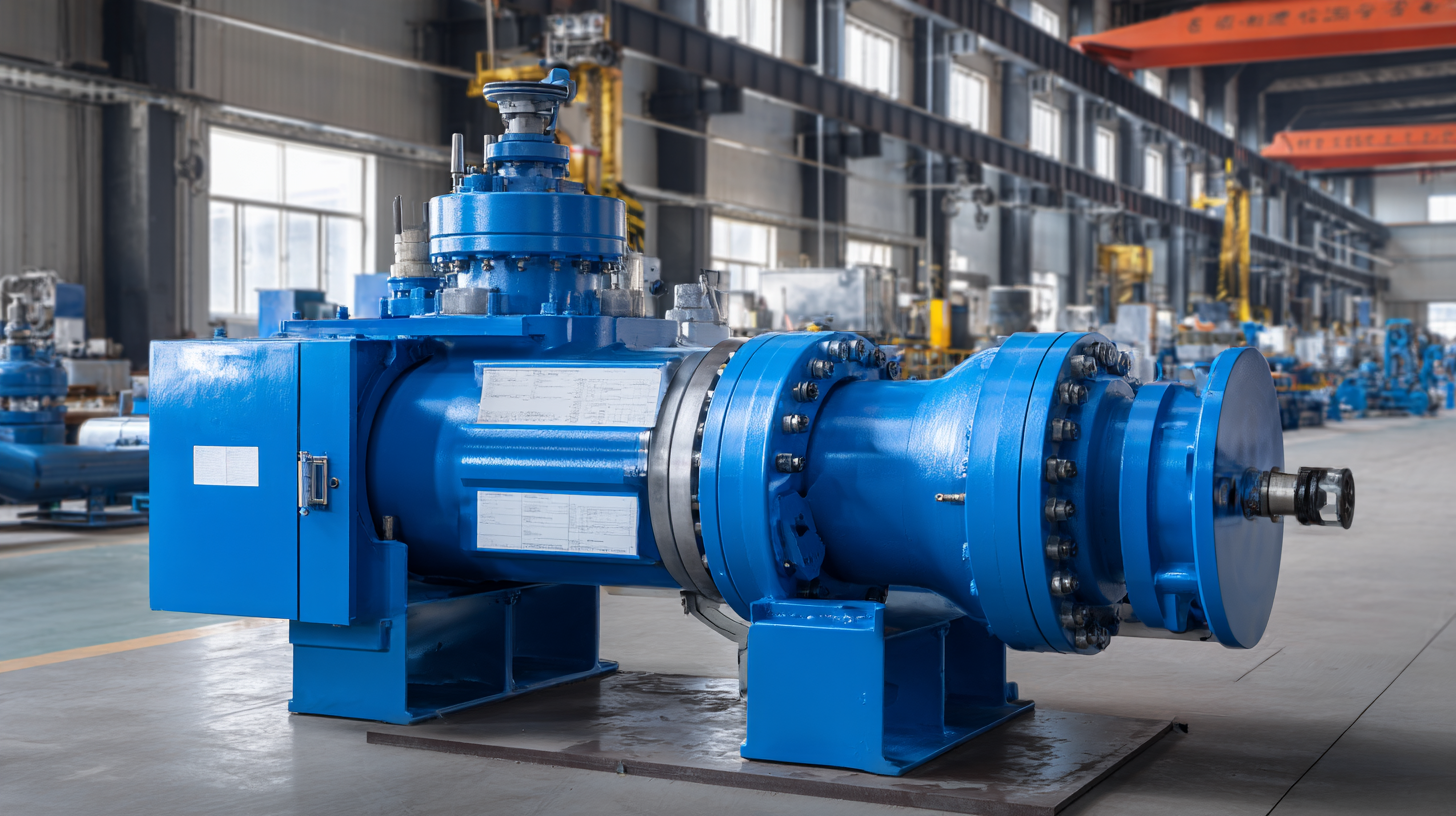
Another frequent mistake is underestimating the importance of pressure ratings. Many industries operate under varying pressure conditions, and using a valve that cannot withstand these pressures can result in catastrophic failures.
It's essential to check the maximum allowable working pressure (MAWP) and ensure the ball valve is rated accordingly.
Additionally, neglecting to consider the required size and flow rate can lead to inefficient processes, as improper sizing can restrict or over-allow flow, impacting overall system performance.
By being aware of these common pitfalls, industries can make informed decisions that enhance operational safety and efficiency.
The Impact of Poor Valve Choices on Gas Leakage Risks and Cost Efficiency
Selecting the right gas ball valve is crucial not only for operational efficiency but also for ensuring safety in industrial environments. A poor choice of valve can significantly increase the risk of gas leaks, which can escalate into catastrophic incidents. These leaks not only pose a danger to personnel but can also lead to substantial financial losses, including costly downtime and potential legal actions. Therefore, it is vital for industries to carefully assess their valve options and prioritize quality and reliability.
Tips: When selecting gas ball valves, always look for those that are certified according to industry standards. Additionally, consider the materials used in the valve construction to ensure they are compatible with the specific gas type being handled.
Moreover, regular maintenance and testing of your gas valve systems can prevent many issues related to wear and tear, which often lead to leaks. Implementing a robust monitoring system can also help in detecting any anomalies in gas flow, allowing for prompt actions before they escalate into serious problems.
Tips: Schedule routine inspections and invest in real-time monitoring technology to enhance your safety measures. Always involve qualified professionals in the installation and maintenance of gas valves to guarantee optimal performance.