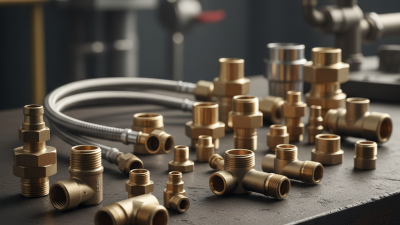
How to Choose Gas Fittings for Global Sourcing in 2026? The answer begins with risk, not price. Gas fittings connect regulators, valves, hoses, and pipelines where a small dimensional error can create leakage, downtime, or unsafe pressure release. The International Energy Agency’s Gas Market Report 2025 expects continued expansion in global gas demand and LNG trade. That growth will increase pressure on buyers to source reliable components across different markets.
A professional sourcing decision should combine application data, standards, testing, and supplier evidence. Check the working pressure, temperature range, gas type, connection thread, material grade, and corrosion exposure. A fitting for indoor natural gas service may not suit hydrogen blending, LPG, or outdoor coastal equipment. ISO 7-1, ASME B16.5, EN 331, and CSA requirements may apply differently by product and destination. Verify certificates against the actual batch, not only a supplier brochure. Request dimensional drawings, material reports, pressure-test records, and traceable lot numbers.
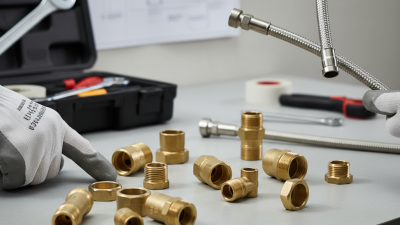
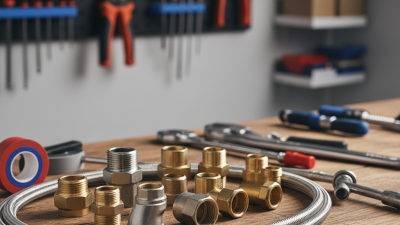
Details matter. A thread gauge, clean sealing face, and readable laser mark can reveal more than a polished catalog photo. The World Bank’s Logistics Performance Index 2023 also shows that delivery reliability varies significantly between trading markets. Therefore, landed cost must include inspection, packaging, customs delays, and replacement risk. A cheaper fitting is not cheaper after a failed installation.
Some assumptions deserve criticism. A complete certificate does not guarantee consistent production. A familiar supplier may still change alloys without notice. In 2026, buyers should compare technical conformity, factory controls, documentation quality, and after-sales response before approving any gas fittings supplier. Reliability is built twice: during manufacturing and during verification.
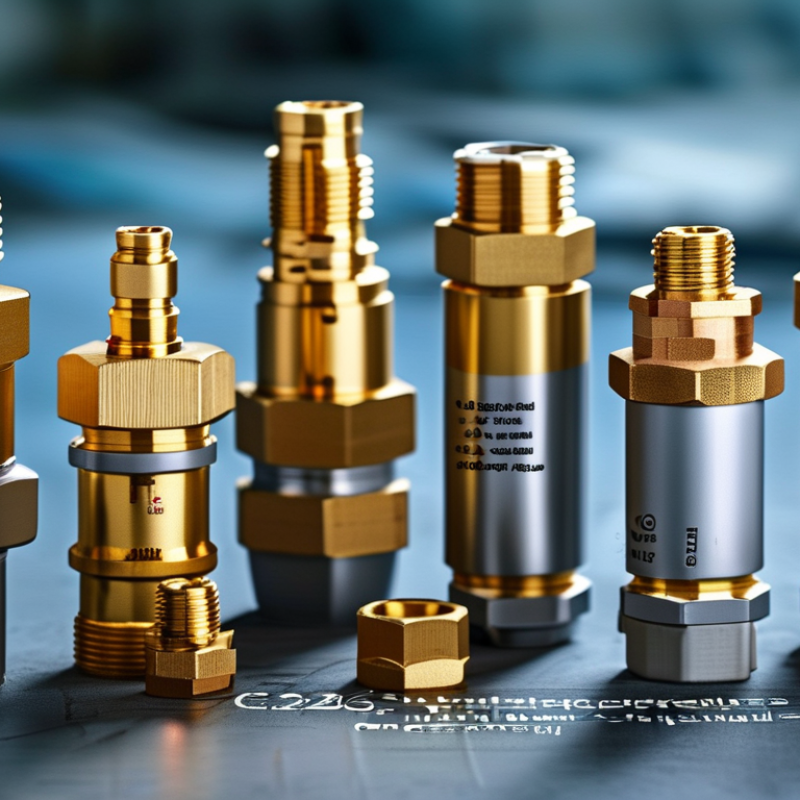
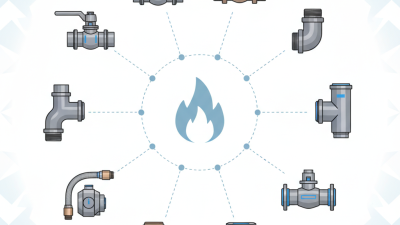
Gas fittings should be defined by application, not appearance. Threaded fittings suit fixed steel or brass pipelines where maintenance access is available. Compression fittings work well on small-diameter tubing, including meters and appliance connections. Flared fittings are common in vibration-prone fuel and refrigeration lines. Push-to-connect fittings save installation time, but they require verified compatibility with the gas and tube material.
Pressure changes everything. Low-pressure natural-gas systems need fittings rated for household distribution and appliance connections. LPG systems often face higher pressure and different chemical exposure. Industrial gas lines may require forged fittings, welded joints, or instrumentation-grade connections. Do not assume one fitting serves every fuel. That mistake is expensive.
According to the International Energy Agency’s Global Methane Tracker 2024, fossil-fuel operations released almost 120 million tonnes of methane in 2023. Leakage control matters. Select fittings with suitable seals, pressure ratings, temperature limits, and documented leak-testing procedures. ISO 7-1 and ISO 228-1 distinguish sealing and non-sealing pipe threads, which prevents costly thread mismatches. For flanged systems, ASME B16.5 provides dimensional and pressure guidance.
Check the details.
A practical sourcing file should record gas type, working pressure, temperature, tube size, connection standard, body material, seal material, and certification requirements. Stainless steel may resist corrosion better, while brass can simplify machining and reduce weight. Neither choice is automatically correct. Real installation conditions, not catalog claims, should control the specification. Even experienced buyers sometimes overlook thread direction or seal replacement intervals. That deserves a final review.
When choosing gas fittings for global sourcing in 2026, confirm the destination market before comparing prices. A fitting approved for one region may fail another region’s installation or documentation requirements.
Check the gas type, operating pressure, temperature range, connection design, and intended application. These details should appear consistently on drawings, labels, test reports, and packing records.
Review applicable international and local standards, such as ISO, EN, ASME, or national gas codes. Do not treat a general quality certificate as product approval.
Certification must match the exact fitting model, material, size, pressure class, and production site. Request conformity declarations, third-party test reports, factory inspection records, and calibration evidence for pressure-testing equipment. Also verify whether the importing country requires type approval, registration, or an authorized local representative.
Traceability matters. Each batch should link to material certificates, inspection results, and a clear production date. Keep the paperwork organized.
A spreadsheet can still mislead.
In practice, suppliers sometimes provide certificates for a similar product rather than the selected configuration. That gap is easy to miss during remote purchasing. Ask for current documents and compare every technical detail against the purchase specification. Independent laboratory verification may add time, but it can expose leakage, thread mismatch, or unsuitable sealing materials before shipment. Requirements also change, so recheck official regulatory sources before placing repeat orders.
Gas fitting selection for global sourcing starts with the gas itself. Natural gas, hydrogen blends, oxygen, and corrosive process gases can react differently with metals and seals. Stainless steel often suits humid or corrosive environments, while brass may fit cleaner, moderate-duty applications. Carbon steel can handle demanding pressure systems, but it needs reliable corrosion protection. Material compatibility must include the gas composition, moisture level, temperature, and expected service life.
Pressure ratings deserve equal attention. Check working pressure, test pressure, temperature limits, connection type, and dimensional standards together. Do not rely on nominal size alone. A fitting may match the pipe diameter but still fail because of thread form or seal design. Seals should tolerate the operating temperature and resist swelling, cracking, or gas permeation. Small details matter.
Ask suppliers for material certificates, pressure-test records, batch traceability, and inspection procedures. Confirm whether documents match the actual shipment. In practical sourcing work, unclear drawings often create expensive delays. A perfect specification sheet cannot prevent every installation mistake. I have seen capable teams overlook vibration, outdoor condensation, or salt exposure. That is worth reconsidering. Regional standards may also differ, so technical approval should come from a qualified engineer familiar with the installation location. Reliable suppliers answer specific questions clearly, not just with attractive catalog numbers.
Technical screening matrix for selecting fitting materials, connection types, sealing systems, pressure classes, and environmental protection requirements.
| Gas Service | Typical System Conditions | Preferred Fitting Materials | Materials or Conditions to Avoid | Recommended Sealing Approach | Suitable Connection Options | Key Environmental Factors | Global Sourcing Specification Checklist |
|---|---|---|---|---|---|---|---|
| Natural Gas Primarily methane with varying minor components |
Distribution and appliance systems commonly operate from low pressure to approximately 16 bar(g). Industrial transmission systems may require higher-rated components. |
Carbon steel Ductile iron where permitted 316 stainless steel Brass or bronze | Avoid unverified plastics, porous materials, and copper alloys where local gas codes restrict their use. | NBR, HNBR, PTFE, or graphite may be selected according to temperature, gas composition, and pressure. Use gas-rated seals only. | Tapered or parallel threaded fittings, compression fittings, flanges, socket-weld fittings, and butt-weld fittings. | Outdoor installations require protection against rain, condensation, soil corrosion, UV exposure, and salt spray. | Confirm gas approval requirements, nominal pipe size, thread standard, pressure class, temperature range, wall thickness, leak-test method, and traceability documentation. |
| Propane and LPG Vapor | Commonly stored as a liquid and delivered as vapor. Equipment pressure may range from low-pressure appliance service to approximately 25 bar(g), depending on the installation. | Carbon steel Stainless steel Brass Bronze | Avoid zinc-only components, incompatible plastics, and materials not rated for hydrocarbon swelling or low-temperature service. | NBR, HNBR, PTFE, and selected fluorocarbon elastomers are commonly considered. Verify low-temperature flexibility and hydrocarbon compatibility. | Flared fittings, compression fittings, threaded fittings, flanges, and welded connections, subject to local LPG regulations. | Consider boiling-liquid expansion, frost formation, outdoor UV exposure, salt atmosphere, vibration, and possible liquid carryover. | Specify service phase, design pressure, relief-device interface, low-temperature rating, hydrostatic or pneumatic test requirements, and fire-safe requirements where applicable. |
| Oxygen | Industrial and medical systems may range from low pressure to more than 200 bar(g). The required pressure rating must be established from the system design. | 316L stainless steel Copper Copper alloys Nickel alloys for special service | Do not use oil-contaminated parts, ordinary greases, contaminated elastomers, or materials with unacceptable ignition risk in oxygen service. | Oxygen-compatible PTFE, PCTFE, carefully qualified EPDM, or metal seals may be used. Seal selection must consider pressure, temperature, and ignition risk. | Cleaned compression fittings, face-seal fittings, orbital-welded tubing, flanges, and qualified threaded connections. | Oxygen enrichment significantly increases combustion risk. Control particle impact, adiabatic compression, flow velocity, contamination, and ignition sources. | Require documented oxygen cleaning, capped packaging, material certificates, degreasing records, particle-control procedures, pressure testing, and oxygen-service declaration. |
| Nitrogen and Argon | Inert-gas systems commonly range from low pressure to approximately 300 bar(g) for cylinder and process applications. | 316L stainless steel 304 stainless steel Carbon steel Brass | Avoid materials that become brittle at cryogenic temperatures or are not rated for the required pressure and temperature range. | PTFE, PCTFE, EPDM, NBR, or metal seals may be suitable depending on temperature, purity, and pressure cycling. | Compression fittings, tube fittings, face-seal fittings, threaded fittings, flanges, and welded systems. | Cryogenic liquid service requires special low-temperature materials, contraction allowance, insulation compatibility, and controlled venting. | Specify gas purity, pressure, temperature, leak rate, dead volume, surface finish, cleaning level, tube material, and whether the system is gaseous or cryogenic. |
| Hydrogen | Systems may operate from low-pressure fuel service to 700 bar(g) vehicle-fueling applications. High-pressure hydrogen requires specially qualified components. | 316L stainless steel Selected austenitic stainless steels Qualified nickel alloys | Avoid unqualified high-strength steels and materials susceptible to hydrogen embrittlement, excessive permeation, or pressure-cycle fatigue. | Use hydrogen-qualified PTFE, PEEK, EPDM, or other validated sealing systems. Consider permeation, decompression damage, and cyclic loading. | Welded tube systems, face-seal fittings, cone-and-thread fittings, and purpose-qualified high-pressure connections. | Control hydrogen leakage, permeation, ignition sources, ventilation, temperature cycling, pressure cycling, and electrostatic discharge. | Require hydrogen-service qualification, fatigue-cycle data, leak-rate limits, material heat treatment, hardness controls, cleanliness, pressure rating, and compatibility test evidence. |
| Carbon Dioxide | Gaseous systems may operate from low pressure to approximately 60 bar(g). Liquid or supercritical CO₂ requires higher pressure and special temperature control. | Carbon steel for dry service 316L stainless steel Duplex stainless steel for severe conditions | Avoid ordinary carbon steel in wet CO₂ service where carbonic-acid corrosion may occur. Avoid materials not rated for dry-ice formation. | PTFE, EPDM, NBR, or HNBR may be considered according to pressure, temperature, water content, and phase condition. | Threaded fittings, compression fittings, welded fittings, flanges, and qualified high-pressure CO₂ connections. | Moisture, rapid depressurization, Joule–Thomson cooling, dry-ice blockage, corrosion, and asphyxiation risk must be assessed. | Identify gas phase, water content, operating temperature, design pressure, depressurization rate, corrosion allowance, relief protection, and leak-test requirements. |
| Biogas Methane, carbon dioxide, water vapor, and possible hydrogen sulfide |
Usually low to moderate pressure, often below 10 bar(g), but upgrading, compression, and injection systems can require higher ratings. | 316L stainless steel Duplex stainless steel Protected carbon steel Compatible polymer-lined components | Avoid copper and unprotected carbon steel in wet hydrogen-sulfide service. Avoid seals that swell in hydrocarbon or sour-gas conditions. | PTFE, FKM, HNBR, or qualified EPDM may be selected based on methane, H₂S, water, temperature, and pressure compatibility. | Flanged, welded, compression, and threaded connections with provisions for drainage and condensate management. | Hydrogen sulfide toxicity, condensation, corrosion, siloxanes, particulates, outdoor exposure, and variable gas composition are important factors. | Specify maximum H₂S concentration, moisture level, gas-cleaning stage, corrosion class, condensate drainage, material certificates, and seal compatibility data. |
| Ammonia | Refrigeration and process systems may range from low pressure to more than 20 bar(g), with pressure strongly dependent on temperature and system duty. | Carbon steel Stainless steel where qualified Ductile iron in permitted applications | Avoid copper, brass, bronze, and zinc-containing alloys in ammonia service unless specifically proven compatible for the application. | PTFE, graphite, and selected elastomers may be suitable. Confirm resistance to anhydrous and aqueous ammonia and to low temperatures. | Welded fittings, flanges, threaded connections, and purpose-qualified refrigeration fittings. | Toxicity, outdoor corrosion, temperature cycling, refrigerant concentration, emergency ventilation, and pressure-relief discharge routing require attention. | Specify anhydrous or aqueous service, design temperature, design pressure, material restrictions, valve and relief-device interfaces, leak testing, and safety documentation. |
| Chlorine-Containing Gas Specialized chemical-process service |
Pressure and temperature vary widely. The gas must be treated as highly corrosive and toxic, particularly in the presence of moisture. | Qualified nickel alloys Special stainless steels Glass-lined or fluoropolymer-lined systems | Avoid unprotected carbon steel, copper alloys, and any material not qualified for dry and wet chlorine exposure. | PTFE and other fluoropolymer sealing systems are commonly evaluated. Seal compatibility must be verified for concentration and temperature. | Welded and flanged systems with minimized dead legs and carefully controlled gasket compression. | Moisture ingress, toxic release, corrosion under insulation, ventilation, emergency isolation, and scrubber capacity are critical. | Require chemical compatibility data, corrosion allowance, leakage classification, surface treatment, gasket specifications, inspection records, and controlled packaging. |
Reliable gas fitting sourcing begins with evidence, not polished catalogues. The International Energy Agency reported nearly 120 million tonnes of methane emissions from fossil fuel operations in 2023. Poor sealing and weak maintenance can worsen this risk. Ask suppliers for pressure-test records, material certificates, dimensional reports, and failure histories. Confirm whether the fitting suits the gas type, pressure range, temperature, and installation environment. A supplier with lower prices may still create higher inspection and replacement costs.
Manufacturing quality must remain visible at every stage. Request heat numbers, batch codes, production dates, and operator records. Match these details against certificates and shipment samples. Independent laboratory testing can verify alloy composition, thread accuracy, coating thickness, and leak performance. The World Bank’s Logistics Performance Index 2023 shows that customs, tracking, and delivery reliability vary sharply between markets. Build extra time into qualification plans. Delays happen. Good systems expose them early.
Tips: Audit the factory before approval. Review three recent batches. Trace one fitting backward, then forward. Check whether digital records can be exported and preserved. Do not accept certificates alone. A document can be genuine and still describe the wrong batch. This is an uncomfortable gap in many sourcing programs. For 2026, use supplier scorecards covering quality, traceability, corrective actions, worker training, and delivery performance. Reassess annually, or after any material or process change.
A fitting priced at $1.80 may become $3.10 after tooling, inspection, inland freight, insurance, and customs handling. Build a landed-cost sheet for every supplier. Include packaging volume, minimum order quantities, payment terms, and replacement costs.
Ask for material certificates and pressure-test records. Then verify them through independent inspection. Use the destination market’s applicable standards.
Numbers matter. So do small details.
Check port congestion, seasonal disruptions, and export experience before placing an order. For a 20,000-piece shipment, poor carton design can consume several pallet spaces. That raises freight costs and increases handling damage.
Specify thread protection, capped openings, moisture barriers, and readable batch labels. Confirm that fittings match local installation practices.
A technically correct part may still create field delays.
Review production capacity, raw-material traceability, calibration schedules, and corrective-action records. Request samples from normal production, not specially prepared pieces.
I have seen a low-cost trial pass while later batches varied in thread depth. That uncomfortable gap deserves attention.
Keep a second qualified source when demand is critical, but do not split volumes blindly. Dual sourcing can double approval work and reduce purchasing leverage.
Recheck total cost every six months, because freight rates, exchange rates, and inspection needs change.