2026 How to Choose the Best Down Lights for Your Needs?
Choosing the best DOWN LIGHTS can be challenging. With so many options available, it’s easy to feel overwhelmed. Down lights can transform spaces, providing both function and style. They offer focused lighting, ideal for highlighting features or creating ambiance.
Understanding your needs is crucial. Consider the size and style of your space. Are you aiming for a cozy atmosphere or bright task lighting? The type of bulbs you select will also impact the overall effect. LED down lights tend to be more energy-efficient and longer-lasting compared to traditional options. However, they may require a higher initial investment.
Be mindful of installation methods and costs. Some down lights require professional installation. Others are easy to DIY. It's important to reflect on your budget and long-term goals. Make sure the down lights you choose align with your overall design vision. This decision could enhance your living environment significantly.
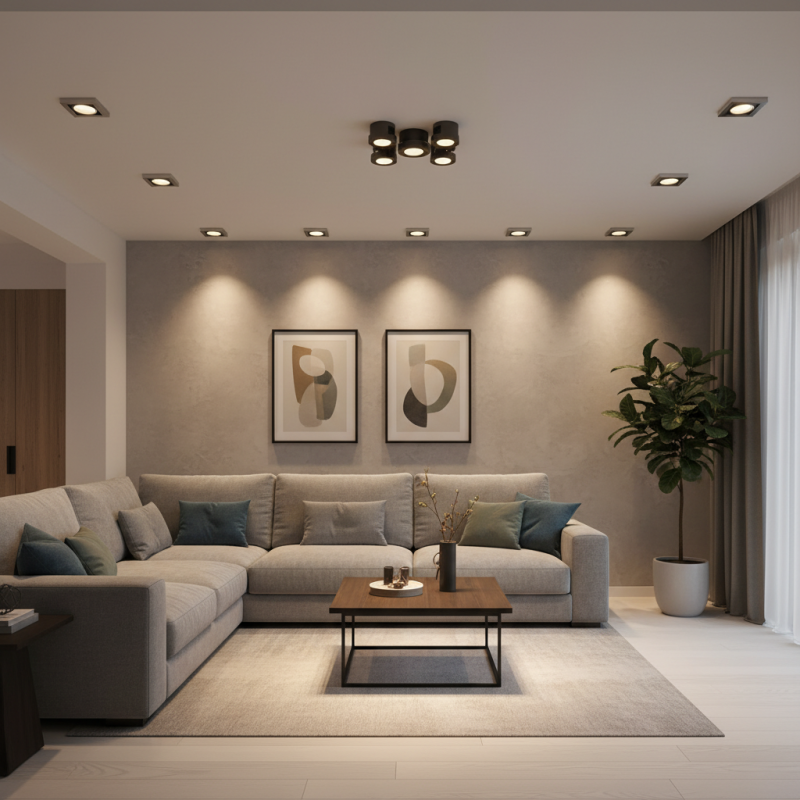
Choosing Down Lights: Understanding Different Types and Styles
Choosing down lights for your space can be overwhelming. There are various types and styles to consider, each serving a different purpose. Recessed lights are popular for a sleek look. They fit into the ceiling, making them almost invisible. These lights create a clean, modern aesthetic, but may require professional installation.
Another option is pendant lights. They hang down from the ceiling, adding character and style. Pendant lights can be artistic, making them a focal point in a room. However, they may not provide enough general illumination on their own.
Spotlights are another fitting choice. They highlight specific areas or objects, offering targeted lighting. However, too much spotlighting can create harsh contrasts.
It’s essential to reflect on your needs. Consider ceiling height, room function, and overall décor. Choosing the right balance of light is crucial. Improper lighting can lead to shadows or glare. Testing different styles in-store can provide clarity. Selecting the correct down lights requires attention and thoughtful consideration. This process may take time.
Evaluating Lumens and Wattage for Optimal Lighting Efficiency
Choosing the right down lights can significantly influence the ambiance of your space. One key factor to consider is lumens, which measure the brightness of the lights. Higher lumens mean brighter light, which is essential for task areas like kitchens or study rooms. Conversely, lower lumens create a softer, more relaxing atmosphere, perfect for living spaces.
Wattage is another crucial element in evaluating down lights. It indicates energy consumptionrather than brightness. With advancements in lighting technology, LED LIGHTs provide high lumens while usingless wattage. This not only saves energy but also reduces your electricity bill. Aim to select lights that produce adequate brightness with lower wattage.
When assessing your lighting needs, don’t forget to consider the layout of your rooms. Dimly lit areas may require more lights or higher lumen ratings. Explore different styles and designs, as aesthetics matter, too. It’s okay if your initial choice doesn’t feel right. Adjustments can and should be made based on how you utilize the space. Experiment with various configurations to find what suits you best.
Color Temperature: Selecting the Right Hue for Your Space
Choosing the right color temperature for down lights can transform your space. It sets the mood and highlights the architecture. Different areas in your home may benefit from different hues. For instance, warmer tones (between 2700K and 3000K) create a cozy feel. These hues are perfect for living rooms and bedrooms. They promote relaxation and comfort.
On the other hand, cooler temperatures (4000K and above) can make a space feel more energizing. These lights are ideal for kitchens and workspaces, enhancing clarity and focus. However, choosing too cool a tone can feel sterile and uninviting. It’s crucial to find a balance that suits your preference and the function of each room.
Consider the natural light in your space. If a room receives a lot of sunlight, cooler lights may complement it well. In darker spaces, warmer light can improve the ambiance. Experimenting with different temperatures is important. You might find that what looks good in theory doesn't always translate in practice. Be open to adjusting your choices after installation, as lighting can vastly change with time.
Energy Efficiency Ratings: Understanding LED vs. Halogen Down Lights
Choosing the right down lights involves assessing energy efficiency ratings crucially. When comparing LED and halogen down lights, the differences are striking. LED lights consume significantly less power than halogen options. For instance, a typical LED down light uses about 10 watts, while a halogen light may use up to 50 watts or more. This can lead to substantial savings on energy bills over time.
However, the initial cost of LEDs can be higher. This upfront investment might deter some buyers. Yet, their longer lifespan—averaging 15,000 to 25,000 hours—outweighs this drawback. Halogens usually last only about 2,000 hours. Energy ratings reflect these differences clearly. Highly rated LED lights can have an efficiency rating of A+ or higher, which emphasizes their cost-effectiveness.
Many consumers appreciate halogen for their warm glow. They might feel nostalgic, recalling the ambiance created by incandescent lights. But this charm comes at a price. Halogens emit more heat, leading to potential safety concerns. They also have a shorter operational life. It’s essential to weigh these factors against your specific needs.
Installation Considerations: Professional vs. DIY Approaches
When it comes to installation considerations for down lights, the choice between professional help and a DIY approach is vital. According to a report by the National Association of Home Builders, about 70% of homeowners prefer hiring professionals for electrical work. This choice often stems from safety concerns and the complexity of electrical codes. Most DIY enthusiasts may underestimate the intricacies involved in wiring and placement.
Nevertheless, a DIY installation can save money. Homeowners can control costs by sourcing their materials. However, it's crucial to remember that improper installation can lead to issues like flickering lights or even fire hazards. In fact, the Electrical Safety Foundation International reports that faulty installations cause 50% of home electrical fires. This statistic highlights the risk involved in a DIY approach.
Choosing between the two methods requires careful consideration of experience, risk tolerance, and the scope of the project. For those lacking electrical knowledge, hiring a professional may be the best route. Conversely, with the right guidance and research, DIY enthusiasts can successfully complete installations while learning valuable skills. This balance highlights the importance of assessing your capabilities and the complexities of lighting systems.