What is a Bulk Solids Heat Exchanger and How Does It Work?
In the realm of thermal management, a Bulk Solids Heat Exchanger (BSHE) emerges as a critical component in various industries. This technology plays a vital role in optimizing energy efficiency during heat transfer processes involving bulk solids. According to a 2023 report by the International Energy Agency, systems like the BSHE can reduce energy consumption by up to 30% when properly integrated into industrial operations.
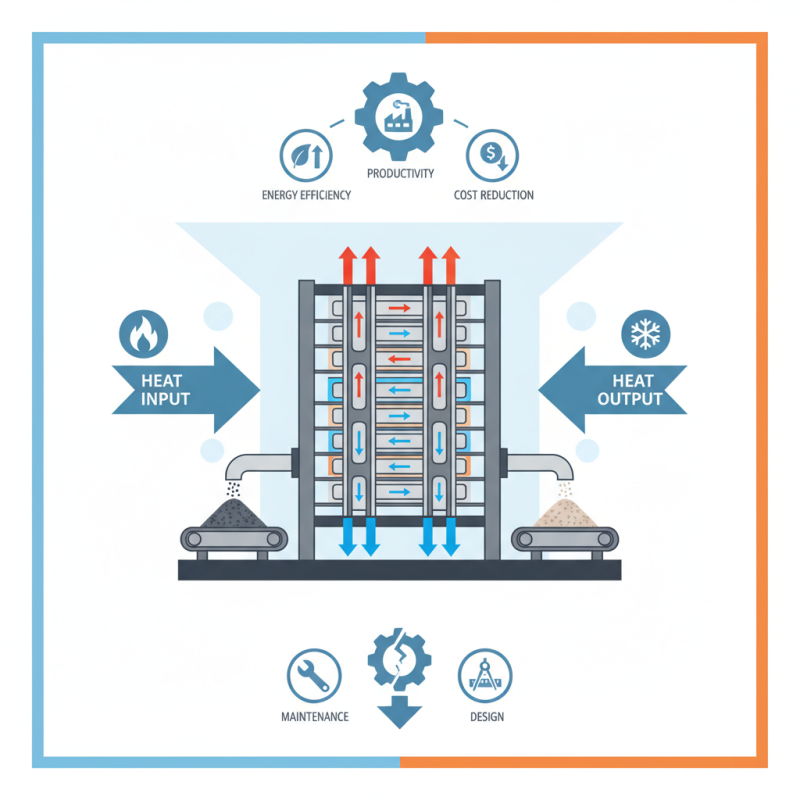
BSHEs cater to the specific needs of industries such as agriculture, mining, and pharmaceuticals. They enable effective heat capture and distribution, thus enhancing overall productivity. However, despite their benefits, many companies remain unaware of the potential pitfalls associated with their implementation. Insufficient maintenance and improper design can lead to significant efficiency losses. Therefore, understanding how a Bulk Solids Heat Exchanger works is essential for harnessing its full potential.
Research indicates that a well-designed BSHE can lower operational costs and increase product quality. Nevertheless, real-world applications often reveal challenges. For instance, material properties can vary significantly, affecting performance outcomes. Addressing these factors is crucial for companies seeking to optimize their heat exchanger systems effectively.
What are Bulk Solids Heat Exchangers?
Bulk solids heat exchangers play a crucial role in various industrial applications, especially in the chemical and pharmaceutical sectors. These devices transfer heat between solid materials while often operating under strict safety and efficiency standards. According to a recent report by the International Heat Transfer Conference, the demand for efficient heat exchange systems is expected to grow by 5.5% annually until 2028.
The design of bulk solids heat exchangers varies widely. They can be categorized into direct and indirect heat exchangers. Direct exchangers allow for direct contact between the heat transfer fluid and the bulk solid, leading to faster heat transfer rates. However, this method may raise concerns about contamination. Indirect systems, on the other hand, prevent such problems but may face challenges in heat transfer efficiency. It's worth noting that improper maintenance may cause operational issues, yielding non-ideal results even in well-designed systems.
Incorporating advanced materials can enhance the performance of bulk solids heat exchangers. For instance, using ceramic linings can improve thermal resistance and reduce wear. A study reported that optimizing heat exchanger design and materials can increase efficiency by up to 20%. However, manufacturers face continuous challenges such as scaling and the need for regular system checks. Balancing these factors is vital for ensuring both reliability and performance in bulk solids heat exchangers.
Key Components of Bulk Solids Heat Exchangers
Bulk solids heat exchangers are vital in industries handling granular materials. These systems transfer heat between bulk solids and fluids, optimizing thermal efficiency. Key components play a crucial role in this process.
The heat transfer surface is essential. It dictates how heat moves between solids and liquids. Types include plate, tubular, and screw designs. Each type has unique benefits for temperature control and efficiency. Flow mechanisms also matter. They ensure that bulk solids move steadily, without clumping or blockages. Proper design minimizes downtime and energy loss.
Incorporating effective insulation within the system optimizes thermal performance. Insulation reduces heat loss during transfer. Effective insulation choices can offer a significant return on investment. Regular maintenance is required to prevent overheating or system failure.
Tip: Monitor temperature and pressure regularly for optimal performance. Minor adjustments can improve efficiency. Regularly assess the heat exchanger’s state to avoid major issues down the line. Doing so enhances longevity and reliability.
Data shows that efficient heat exchangers can reduce energy consumption by up to 30%. However, oversizing or undersizing units can lead to inefficiencies. Understanding specific process needs is crucial for selecting the right system. This knowledge helps ensure optimal functionality and prevents wasted resources.
What is a Bulk Solids Heat Exchanger and How Does It Work? - Key Components of Bulk Solids Heat Exchangers
| Component | Function | Material | Common Applications |
| Heat Exchange Surface | Facilitates heat transfer between solids and fluid | Stainless Steel | Food Processing, Chemical Industry |
| Insulation Layer | Minimizes heat loss | Ceramic Fiber | Pharmaceuticals, Energy Sector |
| Conveyor System | Moves bulk solids through the exchanger | Plastic, Steel | Mining, Agriculture |
| Heat Transfer Medium | Transports heat to or from the solids | Water, Oil | Steel, Cement |
| Control System | Regulates flow rates and temperature | Electrical Components | Chemical Processing, HVAC |
How Bulk Solids Heat Exchangers Operate
Bulk solids heat exchangers play a crucial role in various industrial processes. They transfer heat between solid materials efficiently. Usually, these systems use conduction and radiation to manage heat. Air or gas often circulates around the bulk solids, aiding in thermal exchange.
When bulk solids pass through the heat exchanger, several factors influence their operation. Material properties, like density and thermal conductivity, can vary. This variability can impact heat transfer rates. The design of these exchangers must account for such differences. Effective design often requires expertise in material science and thermodynamics.
Operators must monitor performance closely. Variations in flow rates or temperatures can lead to inefficiencies. Regular maintenance is essential for optimum functioning. Inconsistent heat transfer can cause issues. Understanding these challenges is key to ensuring reliability in heat exchanger operations.
Temperature Efficiency of Bulk Solids Heat Exchangers
Applications of Bulk Solids Heat Exchangers in Industry
Bulk solids heat exchangers play a crucial role across various industries, notably in chemical, food, and metal processing sectors. These systems facilitate efficient heat transfer between bulk solids, optimizing thermal management within production processes. According to a recent report by the International Journal of Heat and Mass Transfer, effective heat exchange can reduce energy consumption by up to 20%. This efficiency is critical, especially in energy-intensive industries.
Particularly in cement production, heat exchangers assist in managing the temperature of raw materials. The heat recovery system not only saves energy but also minimizes emissions. A study from the Cement Sustainability Initiative indicates that implementing bulk solids heat exchangers can potentially lower operational costs by 15%. This improvement demonstrates the value of these systems in enhancing sustainability while maintaining productivity.
However, the implementation of bulk solids heat exchangers can be challenging. Factors like material flow characteristics and system design require careful consideration. Engineers must also account for issues such as wear and tear, which can lead to efficiency loss. Regular maintenance is vital but often overlooked. This oversight can affect long-term performance, highlighting the need for ongoing evaluation of heat exchange systems.
Benefits and Limitations of Bulk Solids Heat Exchangers
Bulk solids heat exchangers are essential in various industries, particularly those dealing with powders and granular materials. These systems can efficiently transfer heat between solid materials and fluids. They are designed to provide uniform heat distribution, which is crucial in processes like drying, cooling, or heating bulk materials. According to the American Society of Mechanical Engineers, the efficiency of these heat exchangers can reach up to 90% under optimal conditions.
However, the benefits come with limitations. One significant challenge is the potential for material clogging. Inconsistent flow rates can lead to inefficient heat transfer. Some studies indicate that nearly 25% of maintenance issues in bulk solid heat exchangers stem from this problem. Additionally, the design complexity can lead to higher initial costs. Many businesses debate whether the long-term efficiency justifies the initial investment.
While bulk solids heat exchangers offer valuable advantages, companies must weigh these benefits against operational challenges. Reliability and efficiency are crucial, but so is understanding material behavior in these systems. Ensuring proper maintenance and addressing design issues can significantly impact overall performance. As industries evolve, so does the need for innovation in heat exchanger design, balancing enthusiasm for new technology with practical considerations and potential pitfalls.