
High Volatile Coal remains an important traded fuel for buyers seeking strong ignition performance and flexible blending options. However, quality can vary sharply between mines, cargoes, and loading periods. Volatile matter alone does not define commercial value. Ash, sulfur, moisture, calorific value, grindability, and sizing also affect plant performance and delivered cost.
Energy economist Fatih Birol, Executive Director of the International Energy Agency, has stated, “Coal is the single biggest source of carbon emissions from the energy sector.” His warning adds necessary context. Global buyers must evaluate supply security and environmental responsibility together. A reliable supplier should provide recent laboratory certificates, transparent mine information, consistent specifications, and practical shipment records. Port access matters, too. A delayed vessel can disrupt an entire blending plan.
This guide examines ten High Volatile Coal suppliers serving international buyers. It considers product consistency, export experience, documentation quality, logistics capability, and communication standards. Some suppliers appear attractive on paper but perform differently during wet seasons or tight freight markets. That reality deserves attention. A ranking can look precise. It is not.
Buyers should compare sampled cargoes against contractual guarantees. They should also confirm applicable customs, sanctions, environmental, and safety requirements before signing agreements. No supplier should be judged by price alone. The best choice combines dependable coal, verified data, responsive service, and realistic risk management. Mistakes still happen, even with experienced teams. Careful due diligence reduces them.
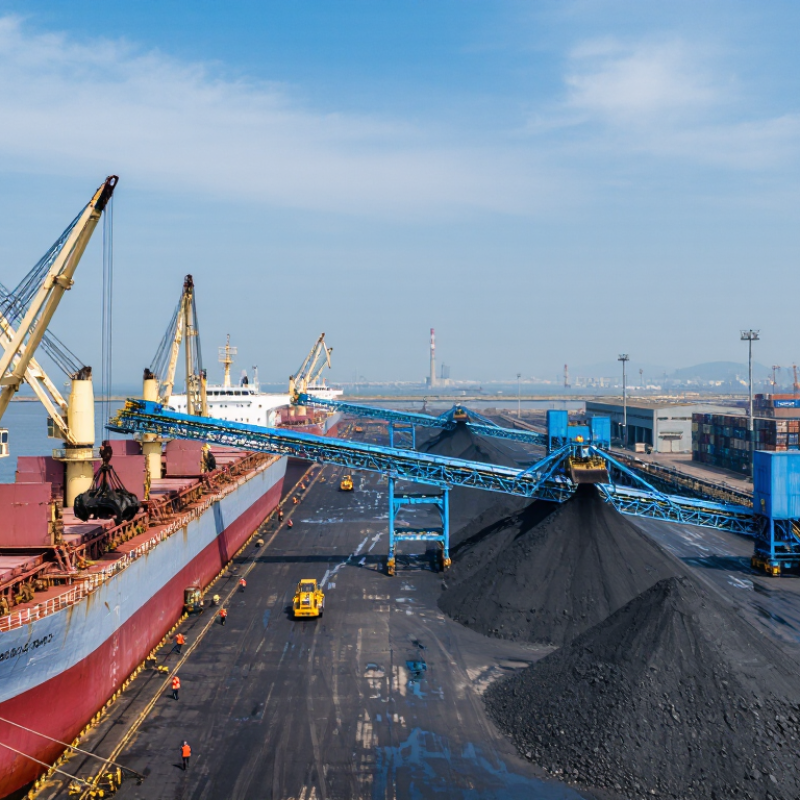
Definition and Characteristics of High-Volatile Coal
High-volatile coal generally describes bituminous coal with substantial volatile matter released during heating. Under ASTM D388 practice, rank assessment also considers fixed carbon and calorific value, not volatile matter alone. This distinction matters. A shipment may show high volatile content but perform differently because of moisture, ash, sulfur, and maceral composition.
In a furnace, high-volatile coal often ignites readily and produces a long, luminous flame. Its volatile matter commonly exceeds 31% on a dry, mineral-matter-free basis. The exact result can change with laboratory procedures and sampling quality. That is an easy detail to underestimate. The International Energy Agency’s Coal 2023 report estimated global coal demand at about 8.54 billion tonnes in 2023. Such scale makes consistent testing essential for international buyers.
Typical purchasing specifications include air-dried moisture, total moisture, ash, sulfur, net calorific value, and ash-fusion temperature. Higher moisture lowers usable heat and raises transport costs. High ash can increase residue and maintenance inside boilers. Sulfur may require additional emissions-control planning. Some high-volatile bituminous coals also show useful caking behavior, but this varies sharply by origin and blending history. Buyers should request recent certificates, sampling methods, and independent laboratory results. One test is not enough. Geological variation can make a single cargo look more reliable than it really is.
When evaluating high volatile coal suppliers, buyers should begin with verified product data, not attractive quotations. Request recent independent laboratory reports covering calorific value, volatile matter, moisture, ash, sulfur, and particle size. These figures affect boiler performance, storage conditions, and total landed cost. Ask whether samples represent regular production or only a carefully selected cargo. That distinction matters.
Supplier reliability also depends on mine origin, legal operating permits, export history, and transport capacity. Review port access, loading rates, weather risks, and backup routes. A supplier with clear quality-control procedures should explain how it manages blending and rejects off-specification cargo. References from comparable industrial buyers can reveal delays that brochures rarely mention. Contract terms should define inspection points, tolerance limits, claims procedures, and payment safeguards. Independent pre-shipment inspection adds useful protection.
Environmental and social performance deserves practical attention. Buyers should examine rehabilitation plans, worker-safety records, emissions reporting, and traceability documents. These checks support responsible procurement and reduce reputational exposure. Site audits are valuable, but they are not perfect. Conditions can change after an audit. A strong evaluation therefore combines documents, physical testing, shipment history, and direct conversations with operations staff. Price still matters, but the lowest offer may become expensive after moisture gains, demurrage, or quality penalties. A disciplined scorecard helps, although judgment remains necessary when evidence is incomplete.
Regional Profiles of the Ten Leading High-Volatile Coal Suppliers
Australia’s Queensland and New South Wales mines offer consistent export infrastructure and detailed quality reporting. Indonesia’s Kalimantan and Sumatra supply moisture-rich coal, often valued for flexible blending. Russia’s Kuzbass region provides high-volatile grades, but buyers must examine rail capacity, route availability, and changing trade conditions.
The United States remains important through the Appalachian and Illinois basins, where sulfur and ash levels vary sharply by seam. Canada’s Alberta and British Columbia regions provide selected thermal and metallurgical grades through established ports. Colombia’s Cesar and La Guajira basins are known for relatively low-sulfur coal and long ocean routes. South Africa’s Mpumalanga mines serve regional and seaborne markets, although aging infrastructure can affect delivery schedules. Kazakhstan’s Karaganda and northern basins offer inland supply options, with transport planning requiring close attention. Mongolia’s southern deposits can support nearby Asian buyers, but border congestion remains a practical concern. Poland’s Silesian mines provide regional material, though production costs and mine depth deserve careful review. Quality is not uniform within any country.
Tips: Request recent laboratory certificates, not only standard specifications. Compare volatile matter on an identical basis. Check ash, sulfur, moisture, calorific value, sizing, loading history, and independent inspection terms. A trial cargo may reveal handling problems that a certificate misses. Forecasts can be wrong. Keep alternative origins available, and review the data after every shipment.
The chart compares reported 2023 coal export volumes from ten major supplier markets, measured in million tonnes. These markets are commonly relevant to international buyers seeking thermal and high-volatile coal, although exact volatility characteristics vary by mine, seam, specification, and contract. Export volumes are used as a transparent indicator of supplier scale and global availability.
Data reference: Energy Institute Statistical Review of World Energy 2024, coal trade statistics. Values are rounded and represent total coal exports rather than a grade-specific high-volatile coal subset.
When comparing the 10 best high volatile coal suppliers, buyers should examine quality beyond volatile matter. A dependable specification lists calorific value, ash, total sulfur, moisture, and sizing limits. Independent sampling at loading and discharge ports can reveal handling differences. Small variations matter.
Pricing should be compared on a delivered-energy basis, not only by tonne. A lower FOB offer may become expensive after ocean freight, insurance, port charges, and demurrage. Payment terms also affect the real cost. Trial shipments are useful, although one cargo cannot prove long-term consistency.
Logistics require practical checks. Review mine-to-port distance, rail capacity, vessel draft limits, stockpile space, and loading rates. A supplier with several export routes may reduce disruption during storms or maintenance. Compliance documents should cover origin, customs classification, environmental declarations, sanctions screening, and traceable ownership. Missing paperwork can delay a vessel for days.
Supplier audits should test production capacity, laboratory controls, complaint handling, and emergency communication. Quality certificates deserve verification, not blind acceptance. Some comparisons look precise but rely on outdated freight rates or ideal moisture figures. That is a weakness worth acknowledging. Contracts should define rejection thresholds, inspection methods, delivery windows, and remedies for off-specification cargo. Even experienced buyers can underestimate blending changes between shipments.
How Global Buyers Can Select the Right Coal Supplier
Selecting a high volatile coal supplier requires more than comparing quoted prices. Buyers should define volatile matter, ash, sulfur, moisture, calorific value, and particle size before requesting offers. These limits must match the boiler, blending plan, or industrial process. Ask for recent laboratory reports, sampling methods, and recognized testing standards. A representative sample matters. One shipment can mislead.
Supplier experience should be checked through production records, loading documents, and delivery performance. Request evidence of consistent quality across several shipments, not only one favorable test. Visit the mine, stockyard, or loading facility when practical. Observe moisture control, stockpile separation, weighing systems, and safety procedures. A polished proposal can still hide weak controls.
Confirm legal export documents, customs records, environmental obligations, and labor safeguards under applicable regulations. Review port capacity, freight arrangements, backup routes, and communication procedures. Contracts should define quality tolerances, inspection rights, payment stages, and remedies for off-specification cargo. Consider an independent inspection before loading. Even a careful checklist has blind spots. A trial shipment may reveal problems that paperwork cannot show. Pay attention to delayed replies, changing specifications, and vague answers about origin. Reliability is demonstrated over time, not promised in a meeting.
Comparative screening table for anonymized export-supply profiles. Typical specifications are indicative commercial ranges for high-volatile bituminous or closely related thermal coal and must be confirmed through a current mine-specific certificate of analysis.
| Supplier Profile | Primary Supply Region | Typical Coal Rank / Volatile Matter | Typical GAR / NAR Heating Value | Typical Total Moisture | Typical Ash | Typical Total Sulfur | Common Export Logistics | Best Buyer Fit | Indicative Fit Score |
|---|---|---|---|---|---|---|---|---|---|
| Profile 01 | Eastern Australia Bowen and Hunter coal basins | High-volatile bituminous Approx. 24–34% VM, daf | 5,500–6,700 kcal/kg, GAR/NAR basis | 8–14% | 8–16% | 0.35–0.80% | Bulk export terminals on the east coast; established vessel-loading infrastructure and coal-quality sampling services | Utilities and industrial users seeking relatively consistent, higher-energy thermal coal | 9.3/10 |
| Profile 02 | Indonesia Kalimantan and Sumatra | High-volatile bituminous to sub-bituminous Approx. 30–45% VM, daf | 4,200–6,000 kcal/kg, GAR basis | 12–30% | 3–10% | 0.10–0.80% | River loading, barge transport and transshipment are common; short-to-medium ocean routes across Asia | Price-sensitive Asian buyers with boilers designed for higher moisture and lower ash | 9.1/10 |
| Profile 03 | South Africa Witbank and Highveld coalfields | High-volatile bituminous Approx. 25–35% VM, daf | 5,000–6,000 kcal/kg, NAR/GAR basis | 8–18% | 12–25% | 0.50–1.30% | Rail-linked bulk export routes to dedicated terminals on the east coast | Buyers requiring diversified Atlantic and Indian Ocean sourcing options | 8.8/10 |
| Profile 04 | Colombia Caribbean coal-producing regions | High-volatile bituminous Approx. 30–40% VM, daf | 5,500–6,500 kcal/kg, GAR/NAR basis | 8–13% | 5–12% | 0.40–0.90% | Deep-water Caribbean export terminals with access to Atlantic and Mediterranean markets | European, Mediterranean and Latin American utilities seeking seaborne flexibility | 8.7/10 |
| Profile 05 | United States Central and Northern Appalachian basins | High-volatile bituminous Approx. 28–38% VM, daf | 5,500–7,000 kcal/kg, NAR/GAR basis | 5–12% | 6–15% | 0.70–2.50% | Rail-to-port logistics through Gulf, Atlantic and Great Lakes systems | Buyers needing higher heating value and established laboratory documentation | 8.6/10 |
| Profile 06 | Russia Kuzbass and other major inland basins | High-volatile bituminous Approx. 25–38% VM, daf | 5,000–6,500 kcal/kg, GAR/NAR basis | 8–15% | 8–18% | 0.30–1.00% | Long-distance rail to Baltic, Black Sea, Arctic or Far Eastern export routes | Buyers able to manage sanctions, insurance, payment and route-compliance requirements | 7.6/10 |
| Profile 07 | Canada Western Canadian and Alberta coal regions | High-volatile bituminous Approx. 25–36% VM, daf | 5,500–6,500 kcal/kg, NAR/GAR basis | 7–14% | 6–14% | 0.40–1.00% | Rail-based movement to west-coast or Great Lakes terminals, subject to route availability | North American and Pacific buyers seeking an additional compliant supply source | 8.2/10 |
| Profile 08 | Vietnam Quang Ninh coal district | Bituminous to high-volatile bituminous Approx. 25–38% VM, daf | 4,800–6,000 kcal/kg, GAR/NAR basis | 6–14% | 10–25% | 0.40–1.20% | Coastal ports and short-haul regional shipping; export availability can vary by domestic demand | Nearby Asian buyers prioritizing shorter sailing distances and regional supply diversification | 7.9/10 |
| Profile 09 | Kazakhstan Karaganda and northern coal regions | High-volatile bituminous Approx. 25–37% VM, daf | 4,800–6,200 kcal/kg, GAR/NAR basis | 8–18% | 10–22% | 0.40–1.20% | Rail-dependent export supply through regional border crossings and Caspian or Black Sea corridors | Regional buyers with strong rail, border-clearance and multimodal logistics capabilities | 7.7/10 |
| Profile 10 | Poland Upper Silesian coal basin | High-volatile bituminous Approx. 28–38% VM, daf | 5,000–6,200 kcal/kg, NAR/GAR basis | 7–15% | 8–20% | 0.50–1.20% | Rail and inland logistics connected to Baltic and European distribution networks | European industrial buyers valuing shorter regional delivery and established regulatory oversight | 8.0/10 |
