
10 Best Gas Pipe Connectors for Safe and Efficient Gas Flow
In the realm of gas installations, safety and efficiency are paramount. A crucial component in ensuring these qualities is the gas pipe connector. Properly designed gas pipe connectors facilitate seamless gas flow while minimizing the risk of leaks. According to industry reports, improper connections account for a significant percentage of gas-related accidents. This underscores the importance of selecting reliable connectors for home and commercial use.
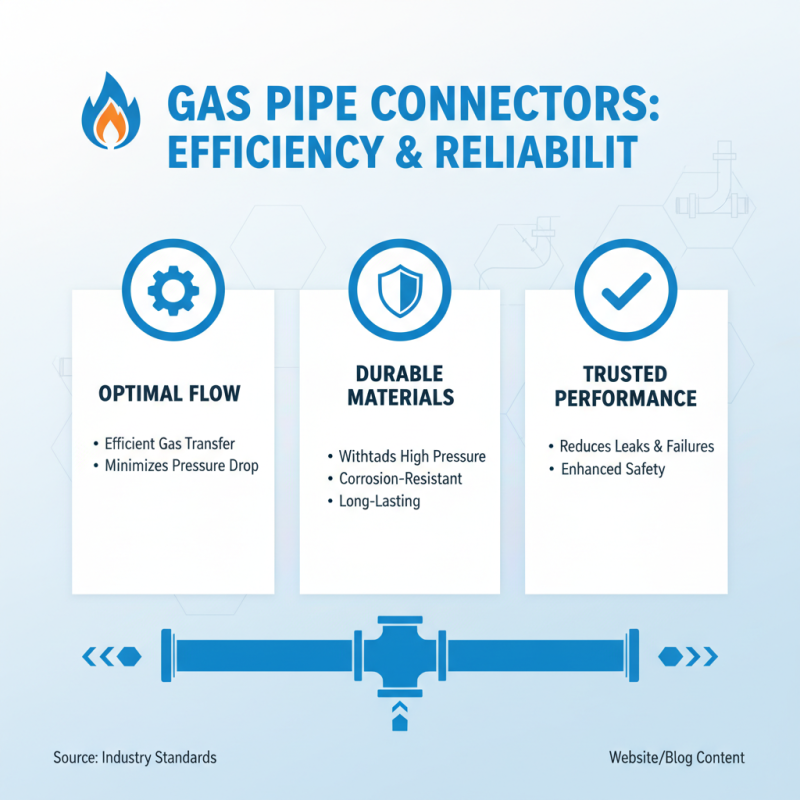
Gas pipe connectors come in various materials and designs. The choice of a connector can impact not only the flow rate but also the longevity of the system. A well-fitted gas pipe connector can withstand pressure fluctuations and environmental factors, ensuring consistent performance. However, it's essential to recognize that even the best products can fail if not installed correctly. Regular inspection and maintenance are key to preventing potential hazards.
As we delve into the ten best gas pipe connectors available today, remember that effective gas management is a shared responsibility. Choosing the right connector is just the first step. Awareness of installation techniques and regular checks should not be overlooked. Ultimately, everyone involved in gas handling must prioritize safety and reliability in every aspect of their work.
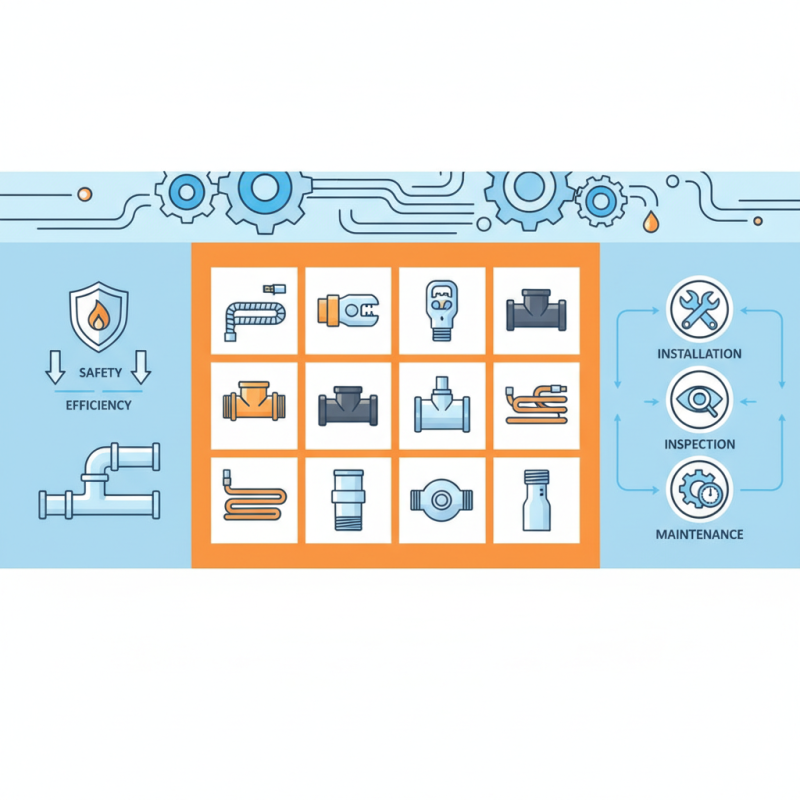
Types of Gas Pipe Connectors: An Overview of Options Available
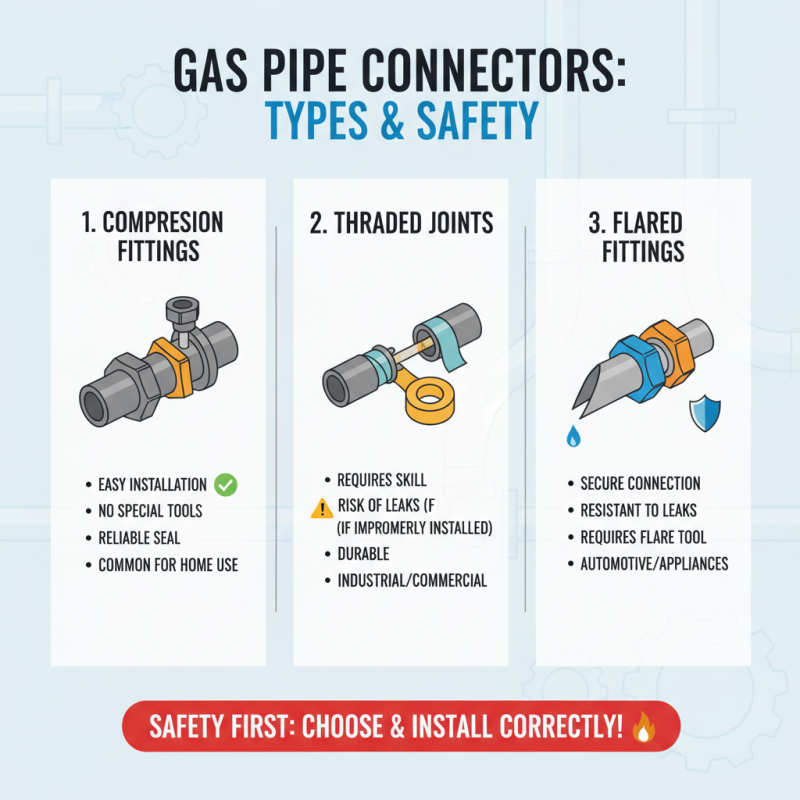
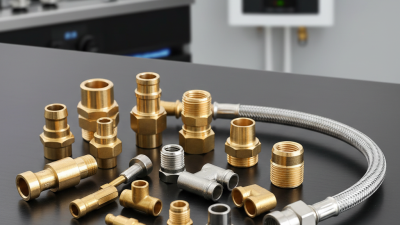
When it comes to gas pipe connectors, several options stand out based on safety, efficiency, and application. Common types include compression fittings, threaded joints, and flared fittings. Each type is designed for specific functionalities. Compression fittings are popular due to their ease of installation. They provide a reliable seal without extensive tools. Threaded joints often require more skill and might lead to leaks if not installed correctly. According to a recent industry report, improper installation can be a leading cause of gas leaks, emphasizing the importance of selecting the right connector.
Flared fittings, known for their durability, are often used in high-pressure applications. These connectors provide a strong seal but can be more complex to install. An estimated 15% of gas accidents occur due to faulty connections, reinforcing the need for proper installation. Some connectors are designed for specific gas types, like natural gas or propane. Understanding the differences helps prevent hazards. In some cases, cheaper options might save money upfront but can lead to higher risks. It's essential to weigh the cost against the long-term safety and efficiency.
While options are abundant, the right choice depends on specific needs and conditions. Factors like pressure rating and temperature resistance play crucial roles. Data indicates that nearly 30% of users may choose the wrong connector type, increasing risks of leaks. Awareness and education in connector selection are vital. The landscape of gas piping is complex, and making informed decisions is crucial for safety.
Related Posts
-
2025 Guide: How to Choose the Best Gas Installers for Your Home
-
How to Choose the Best Propane Welding Torch for Your Projects
-
2025 Guide: How to Choose the Best LP Torch for Your Crafting Needs
-
Why Choose 8mm Gas Fittings for Your Home and Safety Needs
-
What is an LPG Hose Connector and How to Choose the Right One
-
Top 2025 LPG Blow Torch Uses Tips and Buying Guide