10 Best Gas Burner Heaters for Efficient Home Heating Solutions?
When winter arrives, finding the right heating solution becomes essential. Gas burner heaters stand out for their efficiency and effectiveness in warming homes. These units use natural gas or propane to provide reliable heat, often at lower costs than electric heaters.
In the quest for comfort, it's important to explore options. The best gas burner heaters can save you money while keeping your space cozy. Many models come with features for adjustable heat output. However, choosing the right one can be tricky as not all options guarantee both efficiency and safety. Researching various brands and styles is crucial to match your needs.
Selecting a gas burner heater involves weighing many factors. You must consider space size, heat output, and fuel type. Additionally, reflect on maintenance needs and overall performance. A well-informed choice can lead to a warm and welcoming home. Still, there’s always room for improvement and learning about what works best for your unique situation.
Types of Gas Burner Heaters: Understanding Your Options
Gas burner heaters come in various types, each suited to different needs. One common type is the convection heater. These heaters warm the air and circulate it throughout the room. They can efficiently heat larger spaces. However, they may not work well for small areas.
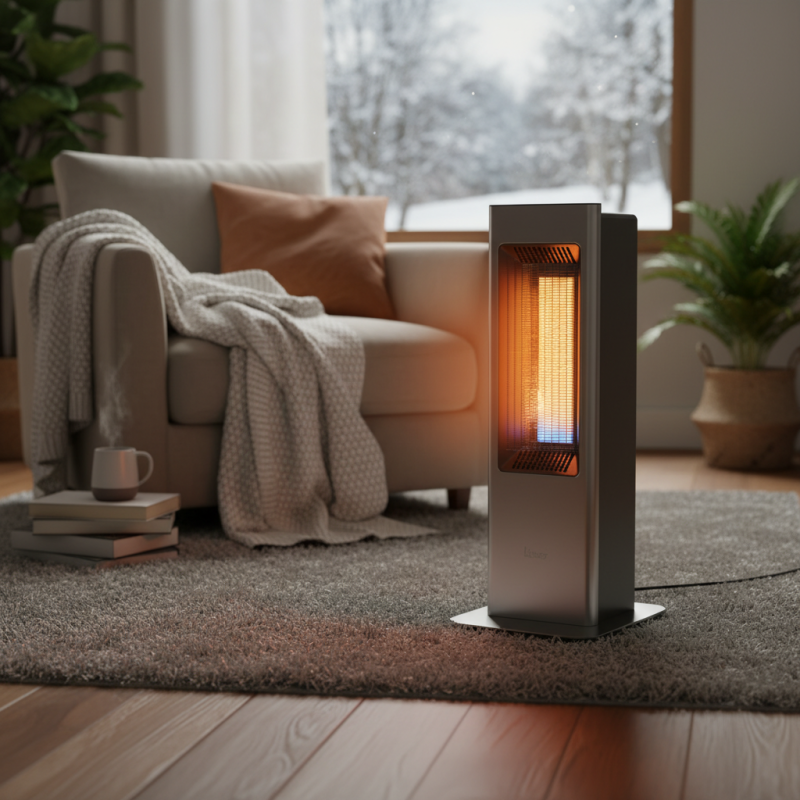
Another option is the radiant gas heater. These emit infrared radiation, warming objects directly rather than the air. They provide quick warmth and are ideal for small rooms or outdoor use. Yet, their effectiveness can wane in larger areas. Consider also ventless models. They are easy to install and do not require ductwork. Ventless heaters may raise safety concerns, though, as they can lead to excess humidity and carbon monoxide buildup.
Understand your options carefully before purchasing. Space, heating needs, and safety are crucial factors. Different environments will affect heater performance. Choosing the wrong type can result in inefficiency or discomfort. Assess your situation, and do your research; it’s a process worth your time.
Gas Burner Heater Efficiency Comparison
Key Features to Look for in Efficient Gas Burner Heaters
When choosing a gas burner heater, focus on its efficiency. Look for models with high energy ratings. A good heater should warm your space quickly. Think about the type of gas it uses. Some heaters work with natural gas, while others use propane. Check the compatibility with your home system.
Safety features are crucial. Select heaters with automatic shut-off functions. This can prevent overheating or gas leaks. Additionally, consider the size and design. A compact model may fit better in smaller rooms. Some heaters come with wheels for easy mobility. Evaluate your heating area before making a choice.
Noise levels can be an issue. Some heaters operate quietly, while others generate noticeable sounds. Don’t overlook this detail. Lastly, think about maintenance needs. Regular checks are necessary for safety and efficiency. These factors can greatly influence your comfort at home.
10 Best Gas Burner Heaters for Efficient Home Heating Solutions
| Model |
Heating Capacity (BTU) |
Efficiency Rating |
Key Features |
Price Range |
| Model A |
40,000 BTU |
85% |
Compact design, Thermostat control |
$300 - $400 |
| Model B |
50,000 BTU |
90% |
Energy efficient, Safety shut-off |
$400 - $500 |
| Model C |
60,000 BTU |
92% |
Remote control, Dual-fuel capability |
$500 - $600 |
| Model D |
30,000 BTU |
87% |
Portable, Adjustable heating settings |
$200 - $300 |
| Model E |
70,000 BTU |
94% |
Smart features, High efficiency |
$600 - $700 |
Top 10 Gas Burner Heaters Reviewed for Efficiency and Performance
Gas burner heaters are gaining popularity for home heating due to their efficiency and performance. According to a recent industry report, gas heating systems can achieve up to 90% energy efficiency. This means that the vast majority of the energy consumed is converted into heat, making them a cost-effective option for homeowners. Many models offer adjustable heat settings, allowing users to tailor the temperature according to their comfort levels.
However, not all gas burner heaters perform equally. Some models may struggle with consistent heat distribution. Average consumer feedback indicates that uneven heating can be a common issue, particularly in larger spaces. When selecting a gas burner heater, consider the square footage of the area and check for heat output ratings. Additionally, regular maintenance is crucial for ensuring optimal performance. Ignoring this can lead to safety hazards such as gas leaks or increased emissions.
Energy efficiency is also tied to proper installation. Poorly installed units may reduce efficiency by 15% or more. Homeowners should invest time in understanding the installation process. This step is often overlooked. To maximize potential, examine various models and their features. It’s important to identify units that offer reliable warranty support and customer service. Make informed decisions to ensure a warm and safe environment at home.
Installation and Maintenance Tips for Gas Burner Heaters
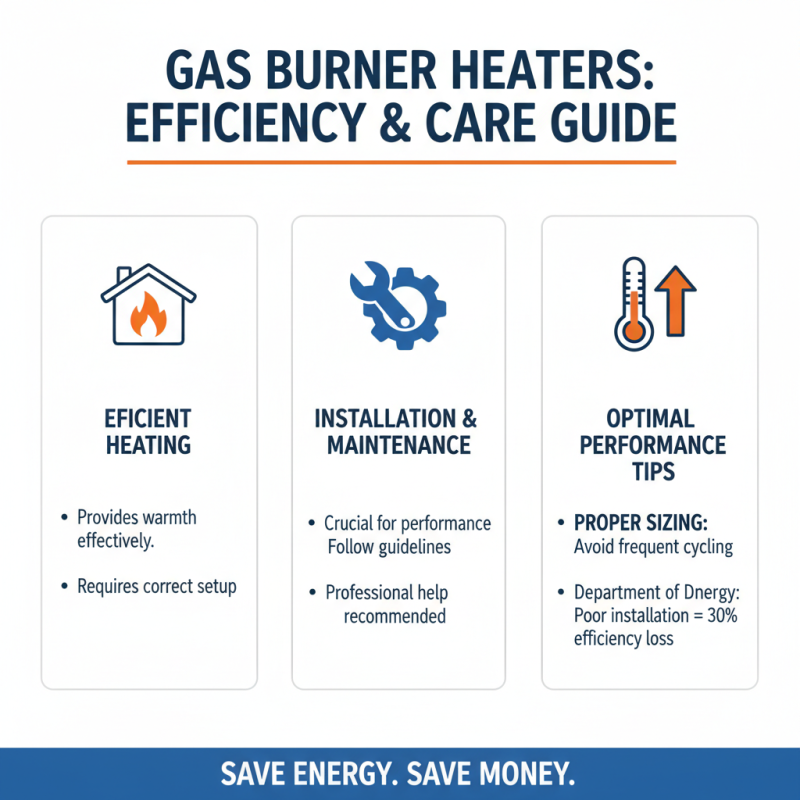
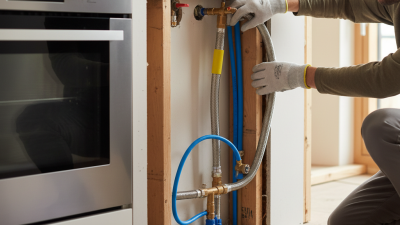
Gas burner heaters provide efficient heating, but installation and maintenance often require attention. For optimal performance, it's crucial to follow specific guidelines. According to the Department of Energy, a poorly installed gas heater can lose 30% of its efficiency. Ensuring that your heater is correctly sized is essential. An oversized unit cycles on and off frequently, leading to unnecessary wear.
Regular maintenance is vital. Check the venting systems regularly for blockages. A blocked vent can lead to dangerous carbon monoxide buildup. A study from the American Gas Association shows that over 20% of gas appliance failures are due to improper venting. Cleaning the burner and filter every season can improve efficiency by up to 15%.
Additionally, exploring a programmable thermostat can help manage your heater's operation effectively. Users may overlook this option, leading to inconsistent temperatures. A properly maintained gas burner heater can provide efficient warmth, but neglecting installation and upkeep can result in higher energy costs and safety risks. Always consider engaging a professional for installation to avoid costly mistakes.
Safety Considerations When Using Gas Burner Heaters at Home
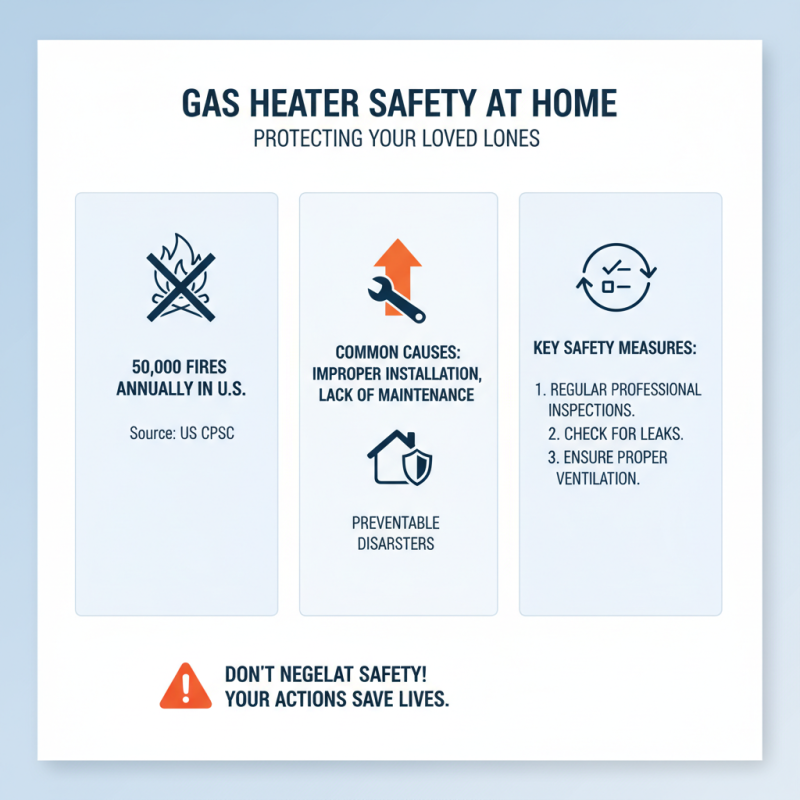
When using gas burner heaters at home, safety is paramount. According to the U.S. Consumer Product Safety Commission, gas appliances cause about 50,000 fires annually in the United States. These incidents often stem from improper installation or neglecting maintenance. Regular checks can prevent disasters, but not everyone prioritizes this.
Proper ventilation is essential. Gas heater units release harmful fumes, including carbon monoxide. A study by the Environmental Protection Agency highlighted that a well-ventilated space is crucial in reducing poisoning risks. Homes should be equipped with carbon monoxide detectors. They serve as an early warning system, providing vital time for occupants to evacuate.
Users must also be vigilant about their surroundings. Items placed too close to heaters can easily ignite. In 2020, nearly 60% of fire incidents were attributed to such carelessness. It's alarming and indicates a need for greater awareness. User education on gas heater operation is critical. Taking these precautions can make a significant difference in ensuring safety while enjoying the warmth of gas burner heaters.