Top Benefits of Using Gas PEX for Your Plumbing Needs?
As plumbing demands evolve, the industry sees a notable shift towards modern solutions. Gas PEX stands out for its innovation and efficiency. Industry expert Dr. Jane Thompkins, a renowned plumbing engineer, emphasizes this, stating, “Gas PEX revolutionizes our approach to gas distribution.”
Utilizing gas PEX in plumbing brings numerous advantages. Its lightweight nature allows for easy handling and installation. This flexibility can reduce labor costs and installation time significantly. Moreover, gas PEX is resistant to corrosion, providing durability that other materials lack. Homeowners and professionals alike appreciate its reliability in delivering gas safely.
However, not all properties or projects are suited for gas PEX. Some may have existing infrastructure that complicates installation. It's crucial to assess these circumstances before making a switch. Despite its benefits, gas PEX requires careful planning and foresight. By understanding both its strengths and limitations, users can make informed decisions that best suit their plumbing needs.

Advantages of Gas PEX Over Traditional Plumbing Materials
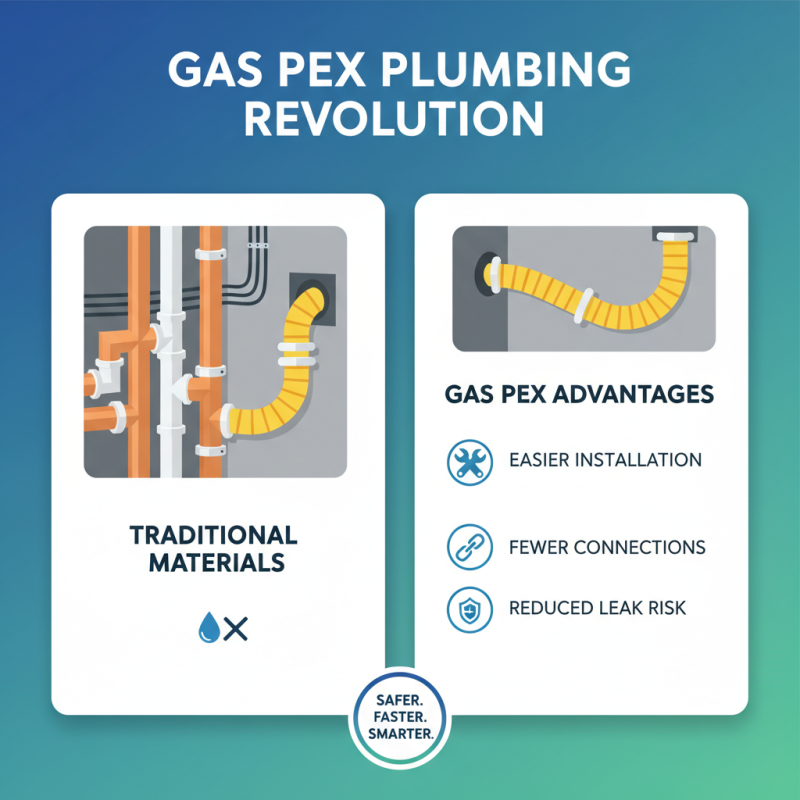
Gas PEX is revolutionizing plumbing systems. It offers several advantages over traditional materials like copper or PVC. Its flexibility makes installation easier. Plumbers can navigate tight spaces without extra fittings. This means fewer connections, reducing the chances of leaks.
Durability is another key aspect. Gas PEX is resistant to corrosion and scale buildup. Unlike metal pipes, it doesn't rust. This allows for a longer lifespan. Also, it's lightweight, which simplifies transport. On the downside, proper installation is crucial. If not done correctly, it may lead to problems down the line.
Cost-effectiveness is significant. Gas PEX is often cheaper than conventional plumbing options. Lower material costs combined with easier installation can save money. However, one must ensure the quality of the installed system. Poorly executed installations can negate these benefits. Keeping these points in mind is essential for any plumbing project.
Enhanced Flexibility and Ease of Installation for Gas PEX
Gas PEX tubing stands out for its enhanced flexibility and ease of installation. Traditional rigid piping often complicates installations. Conversely, Gas PEX offers significant advantages. It can bend around corners without special fittings or tools. This feature leads to fewer connections and potential leak points. According to industry research, the reduced number of fittings can lower labor costs by up to 30%.
The lightweight nature of Gas PEX also simplifies transportation and installation. Installers can maneuver into tight spaces more efficiently. Additionally, the flexibility allows for quick adjustments on-site. This reduces time delays, keeping projects on schedule. A report from the Plumbing and Heating Contractors Association indicates that using PEX can shorten installation time by nearly 40% compared to metal pipes.
However, some challenges remain. While PEX is more flexible, it may not be suitable for all applications. For instance, it can be more vulnerable to UV damage if exposed to sunlight. Installers must take care to safeguard against these environmental factors. Proper training and awareness about proper installation techniques are crucial. Overall, Gas PEX offers a modern solution that requires adaptation from traditional methods.
Improved Resistance to Corrosion and Chemical Damage in Gas PEX
Gas PEX is gaining popularity in plumbing. One significant benefit is its impressive resistance to corrosion and chemical damage. Unlike traditional metal pipes, PEX does not rust. This quality is crucial in maintaining water quality. No one wants rust particles affecting their drinking water.
Moreover, Gas PEX can withstand various chemicals. It is less likely to degrade when exposed to household cleaners or fuels. Homeowners can install it without fear of damage over time. However, improper installation may lead to potential leaks. It’s essential to follow guidelines carefully.
This material is lightweight and flexible, making it easy to handle. Yet, some installers overlook the right fittings or connections. This oversight can cause issues down the line. Attention to detail is key when using Gas PEX. Doing it right ensures longevity and reliability in plumbing systems.
Top Benefits of Using Gas PEX for Your Plumbing Needs
| Benefit |
Description |
Impact on Plumbing |
| Improved Resistance to Corrosion |
Gas PEX is highly resistant to corrosion caused by water and chemicals, prolonging the lifespan of the plumbing system. |
Reduces the frequency of repairs and replacements. |
| Chemical Damage Resistance |
Withstands various chemicals commonly found in plumbing systems, minimizing the risk of damage over time. |
Maintains system integrity and functionality. |
| Flexibility and Ease of Installation |
Gas PEX is flexible, allowing for easy installation in tight spaces and reducing the need for fittings. |
Saves time and labor costs during installation. |
| Lower Risk of Freezing |
Gas PEX can handle cold temperatures better than traditional piping materials, lowering the risk of freezing. |
Reduces the likelihood of costly freeze-related damages. |
| Lightweight and Durable |
Gas PEX is lighter than metal pipes, which makes it easier to transport and install without compromising durability. |
Enhances efficiency in installation and reduces hazards related to heavy materials. |
Cost-Effectiveness of Gas PEX in Plumbing Projects
When considering plumbing projects, gas PEX offers a cost-effective solution. This
flexible piping option is easier to install compared to traditional materials. Its lightweight nature reduces
transportation costs. Many homeowners are now choosing gas PEX for their renovation needs.
Expenses are a significant concern for any plumbing job. Gas PEX minimizes the need for fittings, which saves
money. This type of piping can be snaked around obstacles without requiring extra connectors. Fewer
connectors mean fewer potential leak points, leading to long-term savings on repairs.
Yet, it’s important to weigh the initial investment against potential future costs. While the upfront expense
can be higher, consider the durability of gas PEX. Regular maintenance might be
reduced. However, always ensure you have a good installation team. Mistakes in setup can lead to increased
future costs. Evaluating all these aspects is essential before making a decision.
Long-Term Durability and Maintenance Benefits of Gas PEX Systems
Gas PEX systems offer significant long-term durability benefits for plumbing needs. A study by the Plastic Pipe Institute indicates that PEX tubing can last over 50 years when properly installed. This durability minimizes the frequency of replacements and repairs. Fewer issues translate to lower long-term costs for homeowners and businesses alike.
Maintenance is another crucial aspect. Gas PEX systems require less upkeep compared to traditional materials. They are resistant to corrosion, which is a common issue with metal pipes. This resistance means fewer leaks and less chance of water damage. The flexibility of PEX allows for easier installation in tight spaces.
However, some installation errors can occur. Improper fittings or exposure to UV light can compromise the longevity of the system. Homeowners must remain vigilant about their installation choices. Despite these potential pitfalls, the benefits of Gas PEX systems far outweigh the risks. The technology behind PEX continues to evolve, providing even more reliability for future plumbing projects.
Top Benefits of Using Gas PEX for Your Plumbing Needs
This chart illustrates the long-term durability and maintenance benefits of Gas PEX systems compared to traditional plumbing materials. The data reflects different key benefits represented by percentage scores.