Why Choose 8mm Gas Fittings for Your Home and Safety Needs
When it comes to ensuring safety and efficiency in gas connections within your home, choosing the right fittings is crucial. Among the various options available, 8mm gas fittings stand out for their reliability and versatility. These fittings are designed to handle natural gas and LPG applications, making them suitable for a range of household appliances, from heaters to cookers. The significance of selecting the appropriate size cannot be overstated, as it directly impacts both performance and safety.
In addition to their practical benefits, 8mm gas fittings offer an ideal balance between ease of installation and durability. Their design ensures a secure connection that minimizes the risk of leaks, which can pose serious hazards. Moreover, using standardized fittings like the 8mm version simplifies maintenance and potential upgrades in the future, allowing homeowners to easily enhance their systems while maintaining safety protocols.
Thus, understanding the advantages of 8mm gas fittings can empower homeowners to make informed decisions about their gas systems. With safety being a priority in every household, investing in quality fittings not only provides peace of mind but also contributes to the overall efficiency and functionality of your gas-powered appliances.
Understanding 8mm Gas Fittings: Benefits and Applications
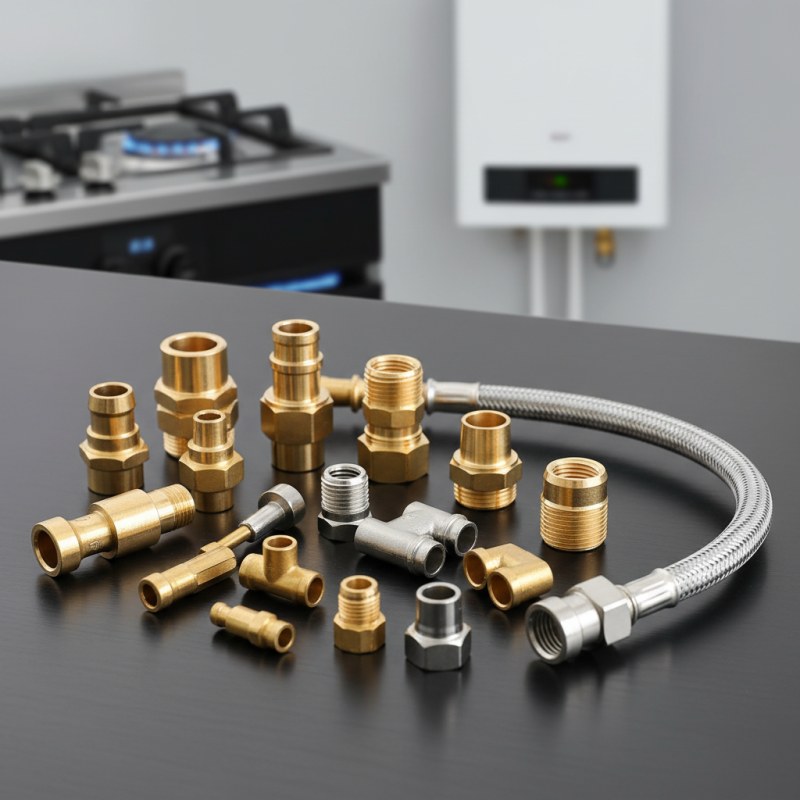
When considering gas fittings for residential applications, 8mm gas fittings stand out due to their specific benefits and versatile applications. One of the primary advantages of 8mm fittings is their ability to accommodate high efficiency gas appliances while ensuring safe gas flow. According to a report by the International Gas Union, using appropriately sized fittings can significantly minimize the risk of gas leaks, which can otherwise lead to hazardous situations. Furthermore, 8mm fittings are well-suited for various appliances including gas stoves, water heaters, and outdoor grills, making them a favorite among homeowners aiming for both convenience and safety.
Incorporating 8mm gas fittings into your home requires a strong emphasis on safety practices. Ensure all installations meet local codes and regulations, and it's advisable to have a certified technician perform the installation. Regular maintenance checks not only prolong the lifespan of your fittings but also enhance their performance attributes. Tips to consider include routinely inspecting connections for wear or corrosion, keeping the fittings clean and dry, and being vigilant for any unusual odors that could indicate a gas leak.
The versatility of 8mm gas fittings allows them to adapt to various system pressures and flow rates, contributing to their widespread use in both new and retrofitted residential setups. Coupled with the potential for energy savings, as noted in a study by the American Gas Association, homeowners can confidently opt for these fittings, knowing they are making a safe and effective choice for their gas supply needs.
Key Safety Features of 8mm Gas Fittings for Home Use
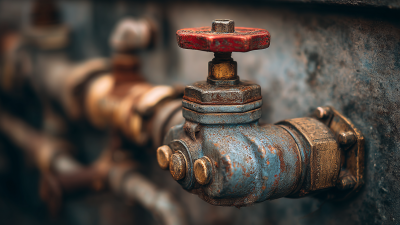
When it comes to ensuring safety in home gas installations, 8mm gas fittings offer several key safety features that make them the preferred choice for many homeowners. One of the primary benefits of these fittings is their robust construction, which provides excellent durability and resistance to corrosion. This means that they can withstand the high pressures often associated with gas systems, decreasing the risk of leaks that could lead to hazardous situations.
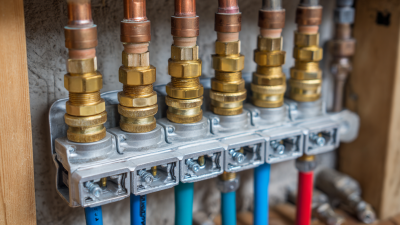
Another critical feature of 8mm gas fittings is their compatibility with various gas appliances. These fittings are designed to provide a secure and tight connection, minimizing the risk of gas escaping. Additionally, many 8mm fittings come with built-in safety mechanisms, such as automatic shut-off valves, which activate in case of a detected leak, offering an extra layer of protection.
Tips for ensuring the safety of your gas fittings include regularly inspecting connections for signs of wear or damage and using appropriate sealing materials for any joints. Always adhere to the recommended installation practices and guidelines to maintain the integrity of your gas system. Regular maintenance checks by a qualified professional can also significantly reduce risks associated with home gas use.
Comparing 8mm Gas Fittings to Other Sizes: What You Need to Know
When selecting gas fittings for your home, understanding the differences between various sizes is crucial for safety and efficiency. Among these, 8mm gas fittings stand out due to their balance of flow capacity and versatility. In comparison to larger or smaller fittings, 8mm options can accommodate a wide range of appliances while ensuring that gas pressure remains adequate for optimal performance. This size is particularly advantageous for residential applications where space may be limited, yet the need for a reliable gas supply remains paramount.
Larger gas fittings might seem appealing due to their higher flow rates, but they can pose risks in small-scale operations where excess flow can lead to potential leaks or safety hazards. Conversely, smaller fittings may limit the functionality of gas appliances, causing them to underperform. By opting for 8mm gas fittings, homeowners can achieve an ideal compromise, ensuring safety without sacrificing efficiency. This balance makes 8mm fittings a popular choice, especially as many modern appliances are designed with this size in mind, facilitating easier installation and compatibility across various systems.
Why Choose 8mm Gas Fittings for Your Home and Safety Needs
| Feature |
8mm Gas Fittings |
Other Sizes |
| Compatibility |
Widely compatible with standard home appliances. |
May not fit all appliances; varies by specific model. |
| Safety Rating |
High safety rating; designed for lower pressure systems. |
Safety varies; higher sizes may be riskier when improperly installed. |
| Installation |
Easier to install for DIY projects. |
May require professional installation; various challenges. |
| Durability |
Durable and resilient for home use. |
Durability can vary significantly by size and manufacturer. |
| Cost |
Generally cost-effective for homeowners. |
Costs can be higher for large sizes, plus installation fees. |
Installation Guidelines for 8mm Gas Fittings: A Step-by-Step Approach
When installing 8mm gas fittings, safety and precision are paramount. Begin by ensuring that you have all necessary tools and materials ready. This typically includes the 8mm gas fittings themselves, a suitable wrench, thread sealant, and pipe cutters. Before you start, it’s essential to turn off the gas supply and ventilate the area to remove any potential hazards.
Start the installation by measuring the space where the fittings will be placed. Cut the gas pipe to the required length using a pipe cutter, ensuring that the edges are smooth, which helps create a proper seal. Apply a suitable thread sealant to the threads of the gas fittings to prevent leaks. Carefully screw the fittings onto the pipes, using a wrench to tighten them securely but avoiding over-tightening, which can damage the threads or the fittings. After all connections are made, it’s crucial to check for any gas leaks by applying a soap solution to the joints and observing for bubbles. If any leaks are detected, tighten the fittings or redo the seals as necessary. With proper adherence to these guidelines, you can ensure a safe and effective installation of your 8mm gas fittings.
Maintenance Tips for Ensuring Safety with 8mm Gas Fittings
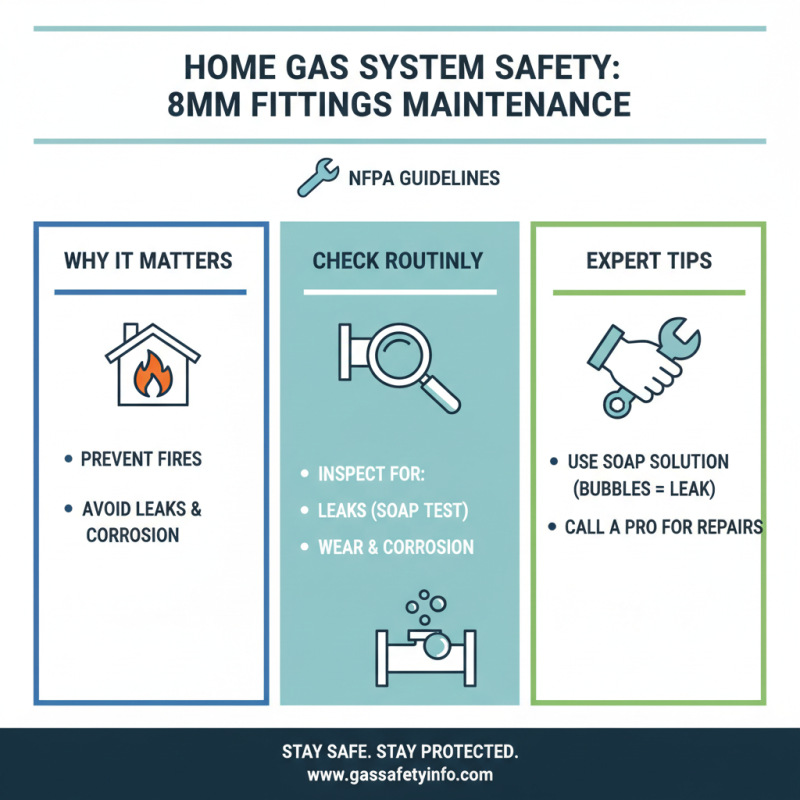
When it comes to ensuring the safety of your gas systems at home, proper maintenance of 8mm gas fittings is crucial. According to the National Fire Protection Association (NFPA), improper installation and maintenance of gas fittings and appliances account for a significant percentage of residential fires. Regularly inspecting your 8mm gas fittings to check for leaks, corrosion, or wear can prevent dangerous situations. Using a soap solution to detect any leaks by applying it on the fittings and observing for bubbling is a simple yet effective method recommended by safety experts.
Additionally, conducting periodic visual checks every six months is vital for the longevity and safety of your gas system. The Gas Safe Register suggests that homeowners should ensure that fittings are securely attached and that there is no excessive pressure created within the system, which can lead to component failure. Furthermore, maintaining appropriate ventilation around gas fittings can mitigate the risk of gas accumulation, significantly reducing potential hazards. By adhering to these maintenance tips and staying informed about industry standards, homeowners can effectively safeguard their living environments against the risks associated with gas fittings.