2026 Best Propane Torch Igniter How to Choose?

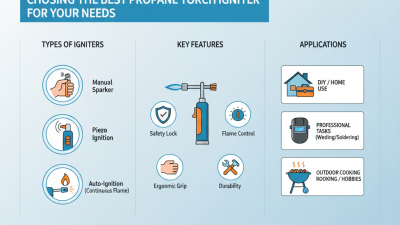
Choosing the right propane torch igniter in 2026 involves more than finding the lowest price. A dependable model should create a steady spark, fit the torch connection securely, and remain comfortable during repeated use. Small details matter. A rubberized grip helps with wet hands. A protected ignition button reduces accidental activation. A visible flame-adjustment control improves accuracy near a workbench.

Tucker Perkins, president and CEO of the Propane Education & Research Council, has emphasized, “Safety is the foundation of everything we do.” That principle should guide every buying decision. Look for clear manufacturer instructions, durable construction, compatible fuel specifications, and recognized safety testing. A torch that lights quickly is useful, but predictable operation matters more.

Real-world testing can reveal weaknesses that product photos hide. Does the igniter spark after several cold starts? Does the trigger feel stiff? Can you inspect the connection without tools? These questions deserve honest answers. Some advertised features may sound impressive yet offer little practical value. That is easy to overlook.

This guide examines the best propane torch igniter options for 2026. It compares ignition systems, control design, portability, maintenance needs, and overall reliability. It also considers safe handling, ventilation, storage, and equipment inspection. No device is perfect. A careful buyer should still question marketing claims and follow the manufacturer’s instructions every time.
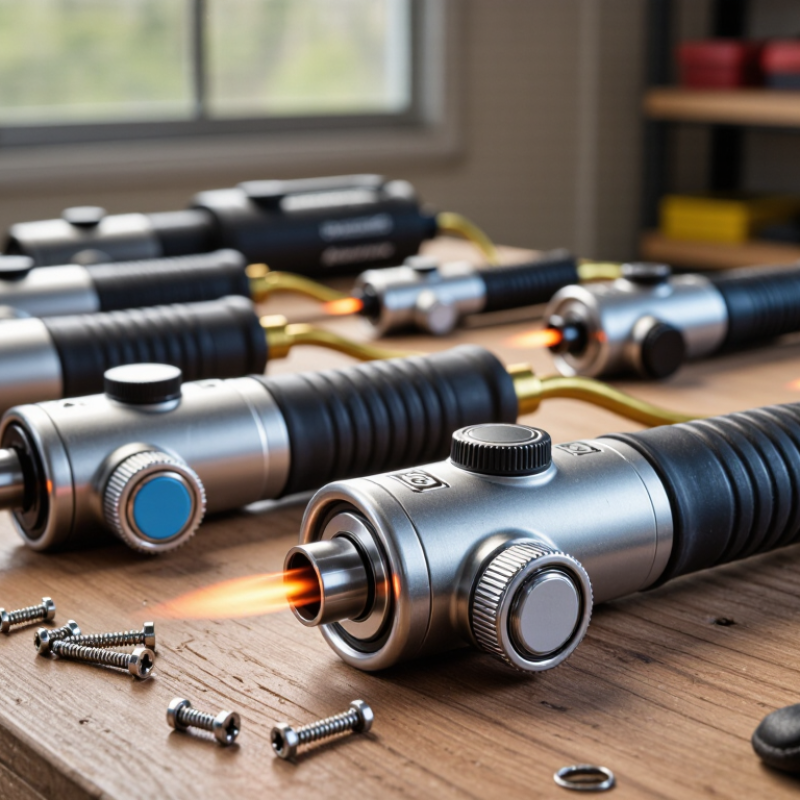
2026 Best Propane Torch Igniter How to Choose?

Propane Torch Igniter Basics and How It Works

2026 Best Propane Torch Igniter: How to Choose?

A propane torch igniter creates a spark that lights the propane-air mixture. Piezoelectric models use pressure on a crystal to produce high voltage. Battery-powered models use an electronic circuit and electrode. The principle is simple. Reliability is not always simple.

Choose an igniter with a clear spark gap, insulated wiring, and a steady trigger action. The electrode should sit close to the gas outlet without touching it. A strong, consistent click matters more than a flashy design. For outdoor work, wind resistance and moisture protection deserve attention.

NFPA’s Fire Loss in the United States During 2023 estimated 1,504,500 fires and 20.9 billion dollars in direct property damage. These figures are not torch-specific, but they show why ignition control matters. NFPA 58 also emphasizes approved equipment, leak checks, and safe propane handling.

Tips:

  • Test the spark before connecting propane.
  • Check hoses and fittings with approved leak-detection solution.
  • Never use a flame to find a leak.
  • Keep the igniter dry and remove damaged units from service.
  • In practical checks, a weak spark often signals a dirty electrode or poor grounding.
  • I would not trust a torch merely because it lights once.
  • Repeatability is the real test.
  • Also, manufacturer instructions can be incomplete, so review the pressure rating and operating temperature carefully.

Key Features to Compare in a 2026 Propane Torch Igniter

Choosing a propane torch igniter in 2026 requires more than checking spark strength. Look for reliable piezoelectric ignition, an insulated grip, and a flame-adjustment control. The ignition button should work with gloved hands and remain clear of the hottest area. A visible flame window helps confirm ignition outdoors or in bright workshops.

The U.S. Energy Information Administration reports propane contains about 91,452 Btu per gallon. That energy density makes stable fuel delivery important, especially during repeated heating tasks. Choose an igniter with a sealed valve, an anti-flare design, and compatibility with the intended cylinder connection. NFPA 58 also emphasizes controlling ignition sources and inspecting propane equipment before use. A longer nozzle can improve hand distance, but it may reduce balance. I have found that lightweight tools feel convenient, yet very light housings can seem less durable.

Tips: Test the trigger several times before loading fuel. Check the seal, hose, and nozzle for damage. Do not judge quality by a loud spark alone. Compare ignition consistency, wind resistance, heat shielding, and replacement-part availability. A model that lights instantly in a quiet room may struggle beside a fan or open doorway. That weakness deserves attention. Also, read the operating instructions carefully, because connection standards and maintenance steps can differ between tools.

This chart presents a practical 2026 comparison framework for propane torch igniters. Safety controls and ignition reliability receive the highest weighting because they directly affect user protection and consistent starting performance. Flame adjustability, wind resistance, and fuel efficiency are also important for different applications.

How to Choose the Right Igniter for Your Torch and Task

Choosing the right propane torch igniter starts with the task, not the appearance. A built-in piezo igniter suits quick repairs and occasional outdoor work. It keeps your hand away from the burner opening. For frequent use, a long-reach spark igniter can offer better control and safer spacing. Task matters.

Check whether the igniter is designed for propane equipment. Examine the handle, spark mechanism, and trigger movement. A textured, heat-resistant grip helps when wearing work gloves. For cold or damp conditions, choose a design with protected ignition parts. Moisture can weaken the spark. I once selected a compact igniter because it looked convenient. That was a poor choice. The short reach made lighting awkward beside a warm burner.

Before each use, inspect the cable, tip, and housing for cracks. Keep the igniter pointed away from your face and clothing. Open the fuel valve only as directed by the torch instructions. Press the trigger from a stable position, then watch for a steady flame. If ignition fails, close the fuel supply and wait before trying again. Do not keep clicking near accumulated gas. Read the torch and igniter instructions together. Their controls may not operate the same way. A dependable choice feels simple, but simple does not mean careless.

Safety Standards, Fuel Compatibility, and Durability Factors

When choosing a propane torch igniter in 2026, check safety standards before appearance. Look for compliance with ANSI Z21.72/CSA 7.2, where applicable, and request clear test documentation. A certification mark alone is not enough. Confirm the model includes a safety lock, controlled ignition, and reliable flame adjustment. The ignition button should work without placing fingers near the burner.

Fuel compatibility requires careful attention. Propane cylinders, connectors, and operating pressures are not universally interchangeable. Match the fuel label, valve type, and pressure requirements exactly. Never assume a familiar fitting is suitable. In field use, I would inspect the hose, seal, and connector before every session. Small cracks matter. Durability also depends on materials. A heat shield, protected piezo igniter, corrosion-resistant burner, and firm control valve can withstand repeated handling. However, “heavy duty” remains a vague phrase without cycle testing or service information.

NFPA’s Home Structure Fires report estimates that cooking equipment caused 167,800 home structure fires annually from 2017 to 2021. Torches are not cooking appliances, but this data still highlights the consequences of uncontrolled flame. Select a model that starts consistently, resists accidental activation, and shuts down cleanly. My checklist is imperfect; real-world maintenance can defeat good design. Inspect the flame color, keep combustible surfaces clear, and replace damaged parts instead of improvising repairs.

How to Use, Maintain, and Replace a Propane Torch Igniter

Before choosing a propane torch igniter, understand how it works. The igniter creates a spark near the burner outlet. Check the electrode, ceramic insulator, wiring, and spark gap. A healthy igniter produces a sharp, repeatable snap. Weak sparks often indicate moisture, corrosion, loose connections, or a damaged piezo mechanism.

Use the torch outdoors or in a well-ventilated area. Keep the cylinder upright and inspect the hose before ignition. Open the valve slowly, then activate the igniter from a safe position. Never use a match to compensate for a failing igniter. NFPA’s Fire Loss in the United States During 2023 report recorded 1,388,500 fires and 3,790 civilian fire deaths. These figures cover all fire types, but they show why controlled ignition matters.

Maintenance should begin after the torch cools completely. Remove dust around the electrode with a soft, dry brush. Keep oil away from ceramic parts. Check connections without forcing them. OSHA 29 CFR 1910.110 and NFPA 58 emphasize proper LP-gas equipment condition and leak control. Apply approved leak-detection solution to connections, never an open flame. Replace the igniter when the spark remains weak, the ceramic is cracked, or the trigger feels loose. Use a compatible, approved assembly with the same mounting and electrical requirements. A replacement that fits physically may still spark poorly. I would not trust one successful test. Recheck ignition several times, because reliability matters more than convenience.