2025 Guide: How to Choose the Best LP Torch for Your Crafting Needs
Choosing the right LP torch for your crafting needs can significantly enhance your creative projects, whether you're working with glass, metal, or other materials. With the variety of options available in the market, understanding the types of LP torches and their functionalities is essential for beginners and seasoned artisans alike. In this guide, we will explore the different types of LP torches, their applications, and crucial features to look for when selecting the ideal torch for your crafting endeavors.
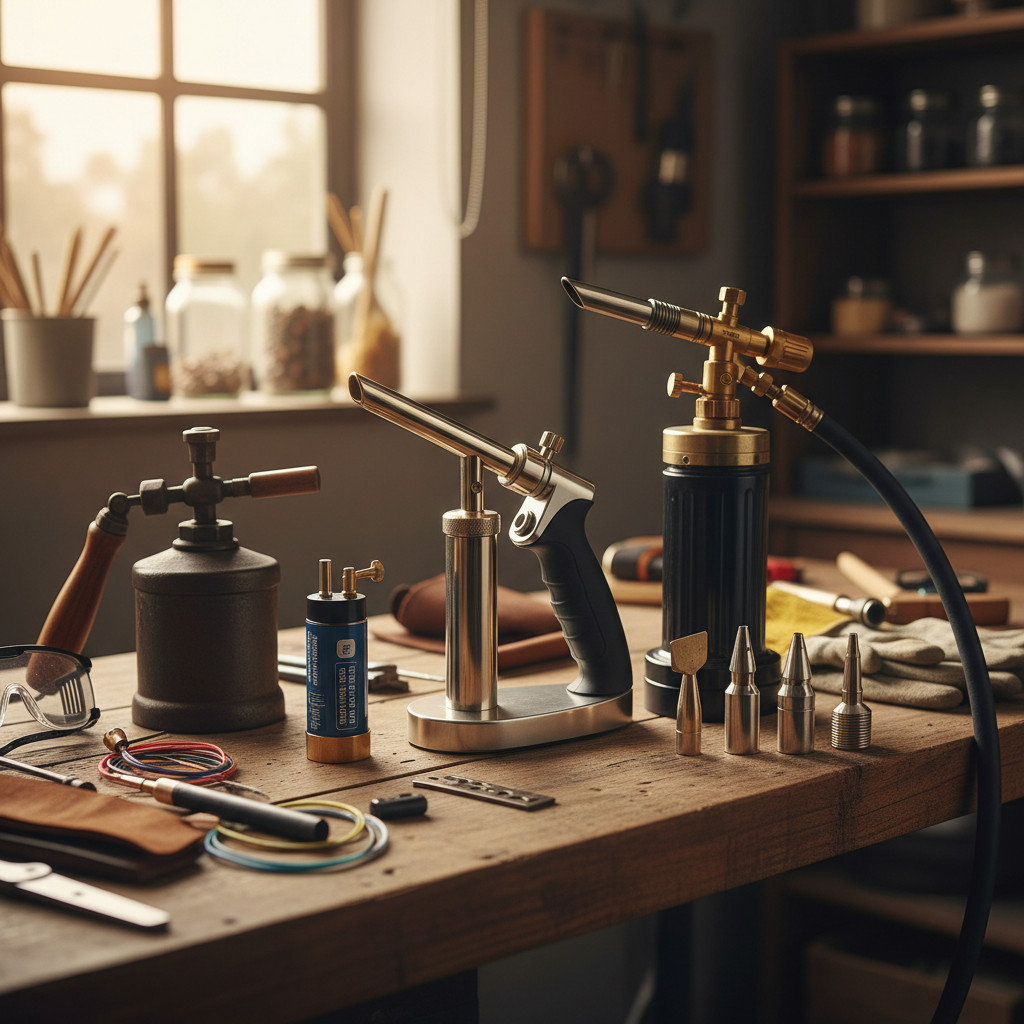
From portability to fuel efficiency, each type of LP torch offers unique benefits that cater to specific crafting requirements. Whether you're looking for a compact unit for detailed work or a more robust model for larger projects, it's important to identify your needs before making a purchase. By delving into the characteristics of various LP torch styles, this guide will equip you with the knowledge to make an informed decision, ensuring your crafting experience is not only successful but also enjoyable.
Understanding LP Torch Types: A Comprehensive Overview for Crafters
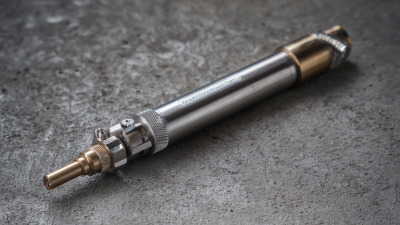
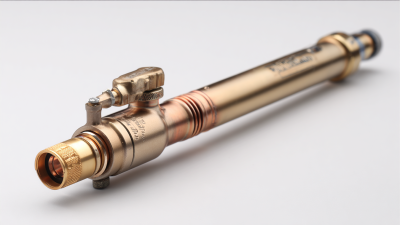
When it comes to choosing the best LP torch for crafting, understanding the different types is essential. There are primarily three types of LP torches: handheld, bench-mounted, and micro torches.
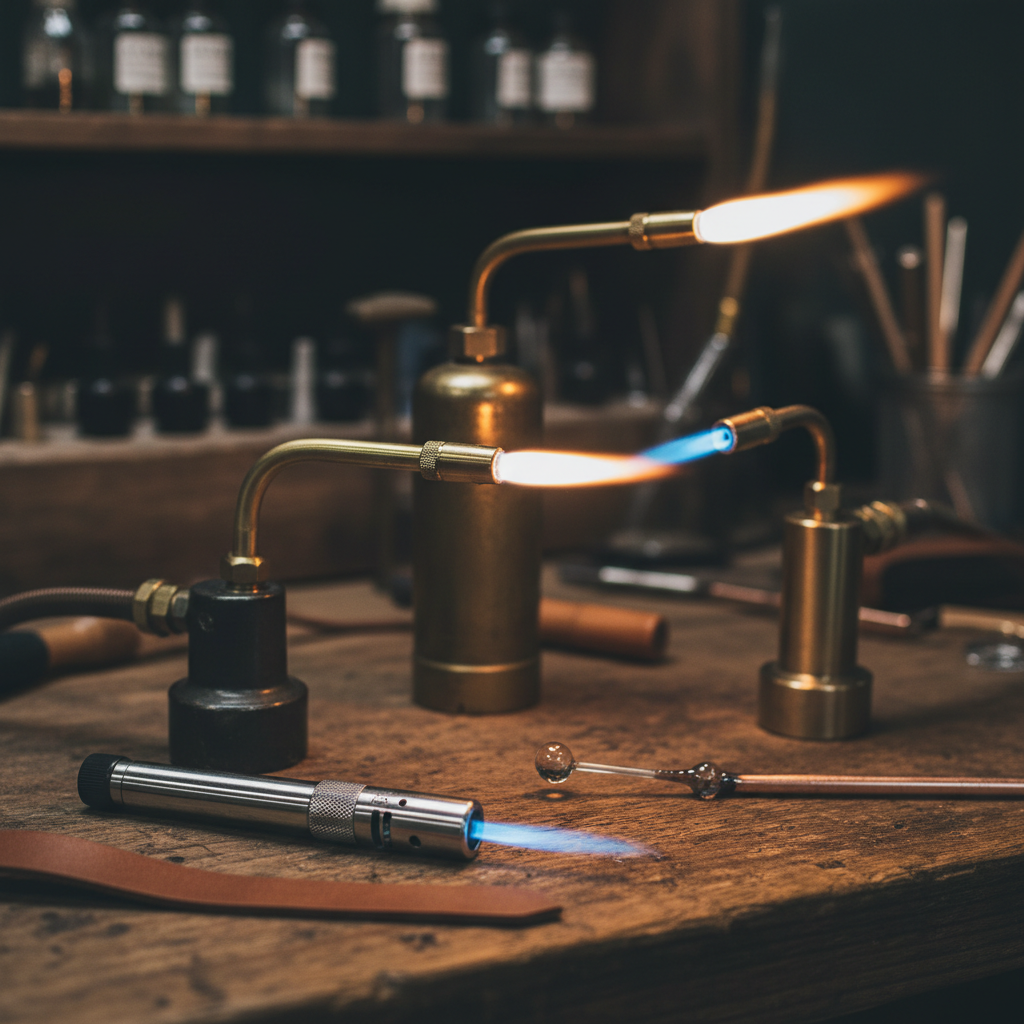 Handheld torches are versatile and portable, making them ideal for small projects and delicate tasks like jewelry-making or detailed glasswork. Their adjustable flame settings provide control over heat intensity, which is crucial in fine crafting.
Bench-mounted torches, on the other hand, are better suited for larger projects that require steady and consistent flame application. These torches are fixed in place, allowing for hands-free operation, which is especially beneficial when working on metal fabrication or larger glass pieces. Lastly, micro torches are compact and designed for precision, making them perfect for intricate detailing in various crafts such as model making or fine metalwork.
Each type has its unique advantages, and selecting the right one will greatly enhance your crafting experience.
Key Features to Consider: Why Flame Temperature Matters in Crafting
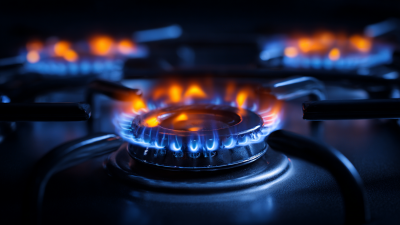
When selecting the best LP torch for your crafting needs, understanding flame temperature is crucial. Different crafting techniques, whether soldering, glassblowing, or metalworking, require specific heat levels. A torch that can achieve a higher flame temperature allows for faster and more efficient work, particularly when dealing with materials that have higher melting points. For instance, if you are working with silver or certain types of glass, a torch that can produce temperatures exceeding 2000°F will ensure that you can manipulate these materials effectively.
Additionally, flame control is another vital feature tied to temperature that crafters should consider. A good LP torch should allow for precise adjustments to the flame size and intensity. This adjustability not only enhances the quality of your work but also promotes safety, as it minimizes the risk of overheating or damaging delicate materials. Ultimately, choosing a torch with the right flame temperature and control will significantly improve your crafting experience and results, making it an investment worth considering.
2025 Guide: How to Choose the Best LP Torch for Your Crafting Needs
This chart illustrates the optimal flame temperatures for different crafting applications. Understanding the necessary flame temperature is crucial for selecting the right LP torch, as it can significantly affect the quality and effectiveness of your projects.
Safety Standards and Regulations: Ensuring Compliance in LP Torch Usage
When selecting an LP torch for crafting, understanding safety standards and regulations is paramount for both compliance and user safety. According to the National Fire Protection Association (NFPA) reports, improper use of torches can lead to accidents resulting in injuries or property damage. The data indicates that nearly 40% of home fires from flammable liquid usage involve improper equipment adherence, highlighting the importance of utilizing LP torches that meet established safety protocols.
Regulations such as the Occupational Safety and Health Administration (OSHA) guidelines mandate specific safety measures when working with flammable gases. Crafting professionals should ensure their LP torches conform to ASTM standards, which stipulate requirements for flame control, gas leakage, and user protection. Furthermore, certifications from recognized bodies like Underwriters Laboratories (UL) can provide additional assurance that the equipment has been tested for safety and reliability. By prioritizing compliance with these standards, users not only enhance their own safety but also contribute to a more responsible crafting environment.
2025 Guide: How to Choose the Best LP Torch for Your Crafting Needs
| Feature |
Description |
Safety Standard |
Compliance Notes |
| Flame Control |
Adjustable flame settings for precision. |
ANSI Z87.1 |
Ensure flame control matches project needs. |
| Fuel Efficiency |
Maximizes usage with minimal fuel wastage. |
ASTM D4054 |
Select products certified for efficiency. |
| Ergonomic Design |
Comfortable grip to reduce fatigue. |
ISO 9241 |
Check for comfort during extended use. |
| Ignition System |
Reliable igniter for safe lighting. |
UL 60950 |
Assess for ease of use in various conditions. |
| Weight |
Lightweight for portability and ease of use. |
CSA C22.2 No. 61010 |
Ensure manageable weight for crafting activities. |
Material Compatibility: Choosing an LP Torch for Different Crafting Materials
When selecting an LP torch for your crafting needs, understanding material compatibility is crucial. Different materials require varying temperatures and flame characteristics to achieve optimal results. According to a report by the Crafters and Hobby Association, nearly 75% of crafters report that material compatibility has a significant impact on their project outcomes.
For instance, if you’re working with soft metals like copper or silver, a torch that can produce a controlled, low flame is ideal for delicate soldering tasks. This helps prevent overheating and ensures precision.
Beyond metals, various types of glass and ceramics also have specific temperature requirements. A study from the Glass Art Society highlights that flameworking glass projects require torches capable of reaching flame temperatures of
2,500°F or higher. Using a torch that doesn’t reach these temperatures could result in incomplete melting or improper fusing of materials. Therefore, it’s essential to choose an LP torch that can accommodate the specific temperatures required for the materials in your craft, enabling you to work effectively and achieve professional-quality results.
Cost-Effectiveness and Longevity: Evaluating LP Torch Investment for Crafters
When evaluating the cost-effectiveness and longevity of an LP torch for crafting needs, it's essential to consider both the initial investment and the long-term benefits. A high-quality LP torch may come with a higher price tag, but its durability and reliability can lead to significant savings over time. Cheaper options might seem attractive, but they could require frequent replacement or repairs, ultimately increasing your overall costs. By investing in a torch that boasts a longer lifespan and consistent performance, crafters can enhance their productivity and reduce frustration associated with equipment failures.
Additionally, the type of projects you plan to undertake plays a crucial role in determining the right LP torch for your needs. For those engaged in intricate work that demands precision, a more robust and feature-rich torch can make a difference in both results and efficiency. A versatile LP torch with adjustable flame controls may offer better value, allowing for various crafting techniques, from delicate soldering to heavier-duty tasks. Balancing upfront costs with the potential for greater versatility and reduced replacement frequency will empower crafters to choose the best tool for their creative ventures.