What is a 1 Inch Gas Valve and How Does It Work in Your System
In the modern world of gas systems, having the right components is crucial for efficiency and safety. Among these components, the "1 inch gas valve" plays a vital role in controlling the flow of gas in various applications. According to industry expert John Simmons, a noted figure in gas safety technology, "The 1 inch gas valve is essential for maintaining optimal pressure and ensuring safe operation within any gas delivery system."
These valves are specifically engineered to handle different pressures and volumes, making them indispensable in residential, commercial, and industrial settings. Understanding how a 1 inch gas valve functions can help users appreciate its importance not only in everyday applications but also in emergency situations where safe gas management is imperative.
Moreover, as gas systems continue to evolve with advancements in technology, the 1 inch gas valve remains a cornerstone in these developments, ensuring both performance and safety are prioritized. This article delves into the mechanics of the 1 inch gas valve, shedding light on its operation and significance within your gas system.
What is a 1 Inch Gas Valve?
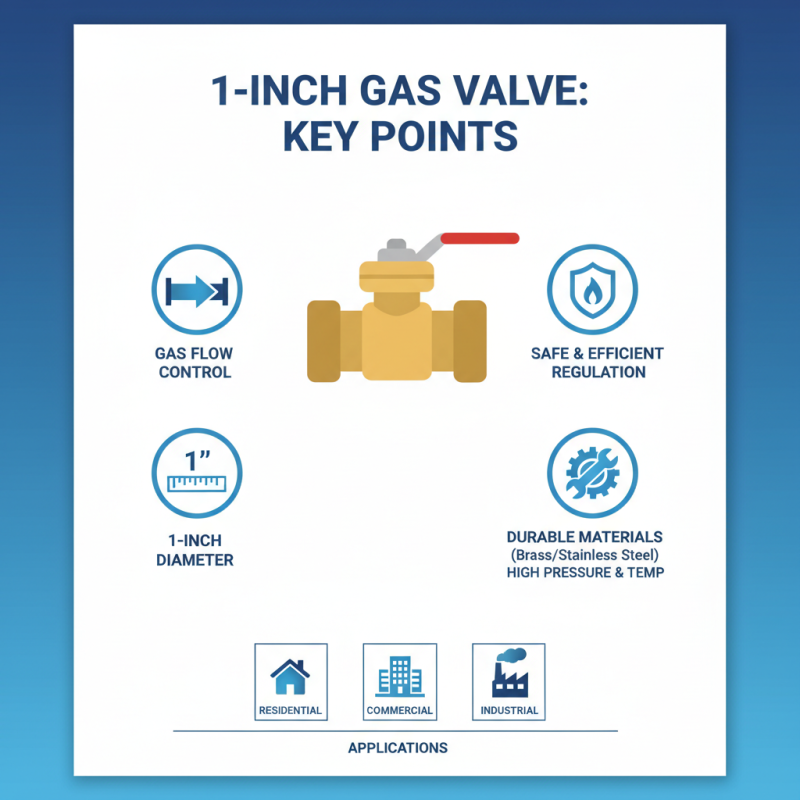
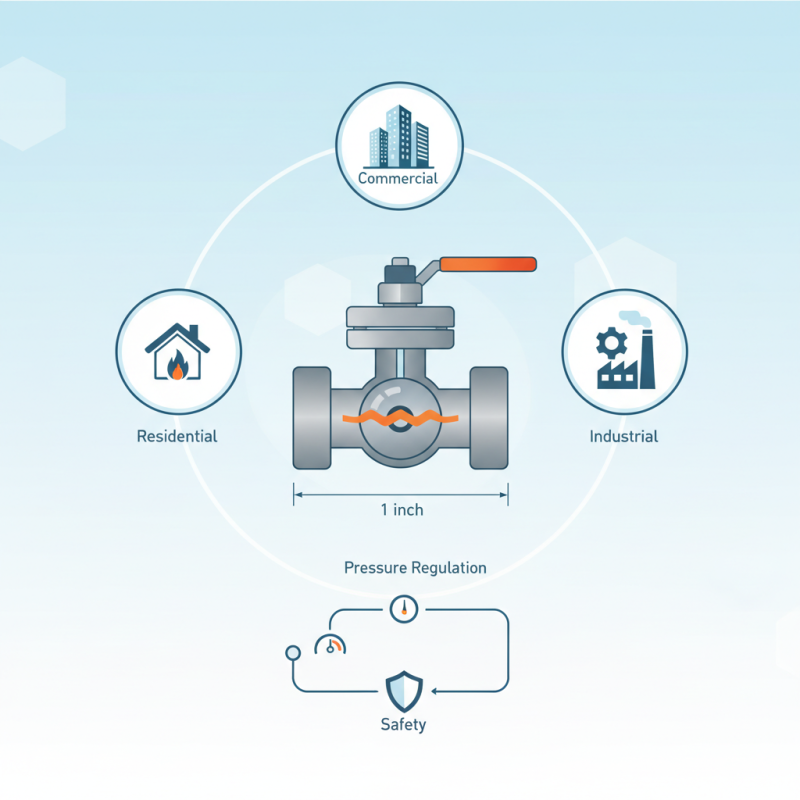
A 1 inch gas valve is a crucial component in various gas distribution systems, used to control the flow of gas through pipelines. This valve typically features an opening diameter of one inch, allowing for a substantial volume of gas to pass through while ensuring safe and efficient regulation. Commonly made from durable materials like brass or stainless steel, these valves are designed to withstand high pressures and temperatures, making them suitable for residential, commercial, and industrial applications.
The primary function of a 1 inch gas valve is to open or close the flow of gas, operating either manually or automatically based on system requirements. In manual systems, users can control the valve via a handle, allowing for easy adjustments depending on the need for gas flow. In automated systems, the valve works in conjunction with pressure sensors and control systems, ensuring optimal performance and safety by shutting off or adjusting the gas flow in response to changes in demand or pressure. Proper installation and maintenance of a 1 inch gas valve are essential to ensure the system operates effectively and minimizes the risk of leaks or other hazards.
Key Components of a 1 Inch Gas Valve
A 1-inch gas valve plays a crucial role in managing the flow of gas within various systems, such as residential heating, commercial kitchens, and industrial applications. Understanding the key components of a 1-inch gas valve is essential for ensuring optimal functionality and safety. The primary components typically include the valve body, actuator, disk or plug, and seat. The valve body houses the internal mechanisms and connects to the gas supply lines. The actuator, which can be electric or pneumatic, is responsible for opening and closing the valve, thereby regulating the gas flow. The disk or plug fits into the valve seat, controlling the passage of gas when the valve is operated.
Tips: Regular maintenance of a 1-inch gas valve can prevent leaks and enhance overall efficiency. Make sure to check the actuator for proper response and inspect the valve seat for any wear or buildup that could impede performance.
In addition, understanding the pressure rating of the gas valve is vital. According to industry standards, most 1-inch gas valves are rated for specific gas pressures, typically between 1 to 5 psi for residential applications. It is essential to match the valve's specifications with the system requirements to ensure safe and efficient operation. Overloading a valve beyond its rated capacity can lead to failures, posing safety hazards.
Tips: Always consult with a professional when selecting and installing gas valves to ensure compliance with local codes and standards, as well as to optimize safety and performance within your gas distribution system.
How a 1 Inch Gas Valve Operates in a Gas System
A 1-inch gas valve serves a critical function in any gas distribution system, regulating the flow and pressure of gas to ensure safe and efficient operation. When the valve is open, gas can flow freely through the system, allowing for various applications such as heating, cooking, and powering appliances. The valve operates using a simple mechanism: when the handle is turned or an actuator is engaged, it either opens or closes the valve, controlling the gas flow based on the system's needs.
To maintain optimal performance, it's essential to regularly check and maintain the gas valve and its connections. Look for any signs of leaks or damage, and ensure that the valve operates smoothly without obstruction. The installation of a pressure gauge can also provide valuable insights into the performance of your gas system.
**Tips:** Always adhere to safety practices when working with gas valves. Make sure to shut off the gas supply before conducting any maintenance and consider consulting a professional if you're unfamiliar with gas systems. Regular inspections can help prevent potential hazards and ensure that your gas system runs efficiently.
Applications of 1 Inch Gas Valves in Various Industries
One-inch gas valves are crucial components in various industrial and commercial applications, ensuring the safe and efficient flow of gas through pipelines. In the
energy sector, these valves play a significant role in natural gas distribution systems, allowing operators to
control gas levels and pressure effectively. They are essential in residential and commercial heating systems, where precise gas regulation is necessary for optimal
appliance operation.
In the manufacturing industry, 1-inch gas valves are commonly found in production processes that require gas for heating, fueling engines, or as part of chemical reactions.
Their robust design and reliable performance make them an ideal choice for environments where uptime is critical. Additionally, many food processing facilities use these valves to regulate gas flows in cooking and sterilization processes, ensuring food safety and quality.
Tips: When selecting a 1-inch gas valve for your system, always consider the specific requirements of your application, such as pressure and
temperature ratings. Regular maintenance is also vital to ensure reliable operation; periodically inspecting and testing the valves can prevent unexpected
failures and prolong their lifespan.
Maintenance and Safety Tips for 1 Inch Gas Valves
Proper maintenance of a 1 inch gas valve is crucial to ensure the safe and efficient operation of your gas system. Regular inspections should be conducted to check for signs of wear and tear, such as leakage or corrosion. Any visible signs of damage should prompt immediate action, either through repair or replacement. Additionally, keeping the surrounding area of the valve clear from obstructions and debris will help in maintaining its operational integrity and ease of access for maintenance or emergencies.
Safety is paramount when working with gas valves. Always ensure that the main gas supply is turned off before performing any maintenance work. Using appropriate tools and personal protective equipment can prevent accidents and injuries. Furthermore, it’s important to familiarize yourself with the shut-off mechanism of the valve; knowing how to quickly shut off the gas supply in case of an emergency can be lifesaving. Regular training and refresher courses on gas safety for all personnel handling gas valves can also contribute to a safer working environment.
What is a 1 Inch Gas Valve and How Does It Work in Your System - Maintenance and Safety Tips for 1 Inch Gas Valves
| Feature |
Description |
| Size |
1 Inch |
| Material |
Brass or Stainless Steel |
| Operating Pressure |
Up to 60 PSI |
| Flow Type |
On/Off Flow Control |
| Applications |
Residential and Commercial Gas Systems |
| Maintenance Frequency |
Annual Inspection Recommended |
| Safety Tips |
Check for Leaks Regularly, Ensure Proper Installation |